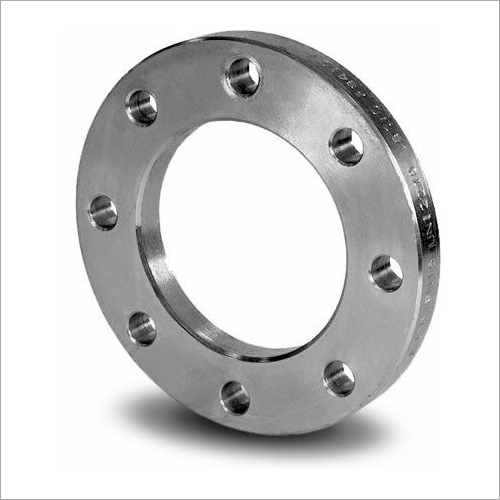
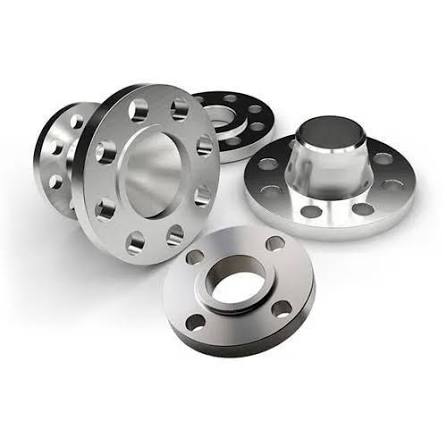
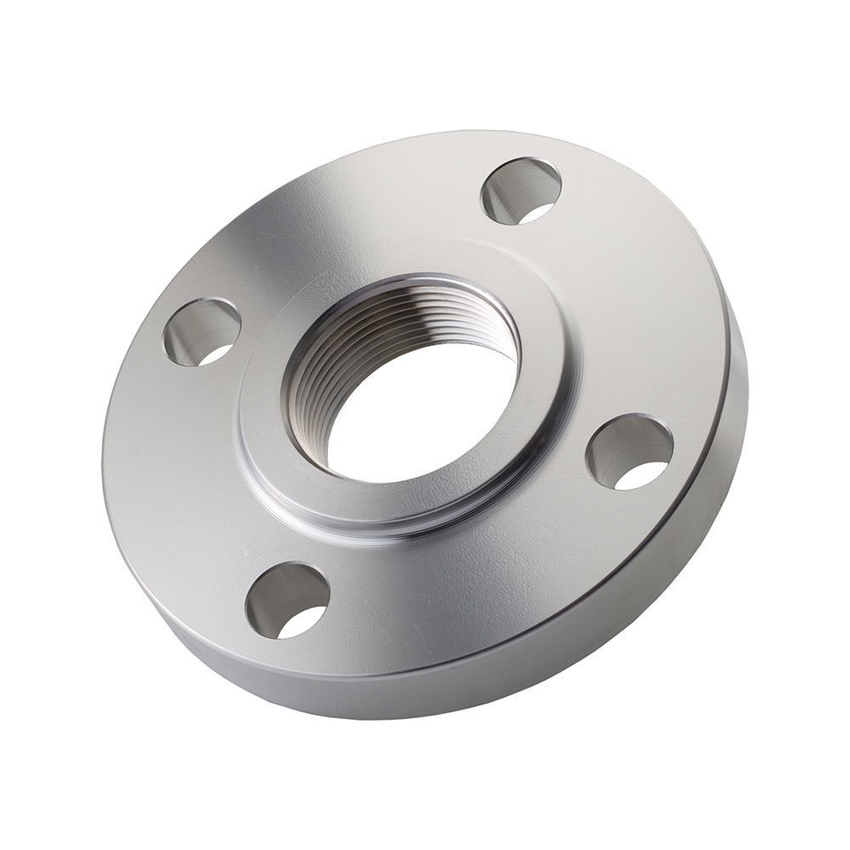
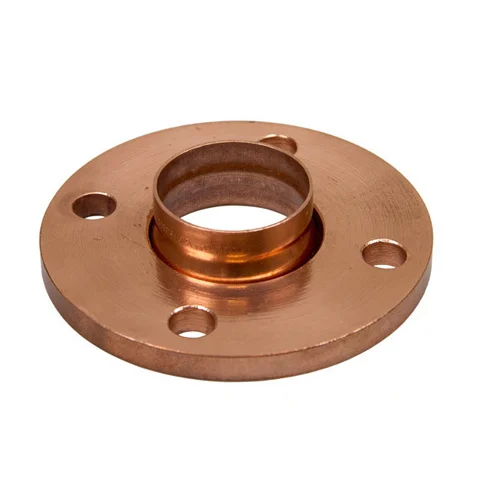
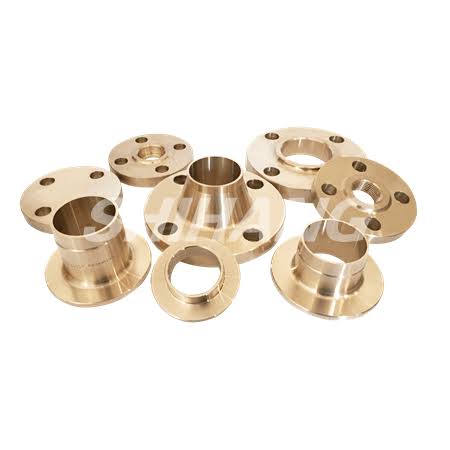
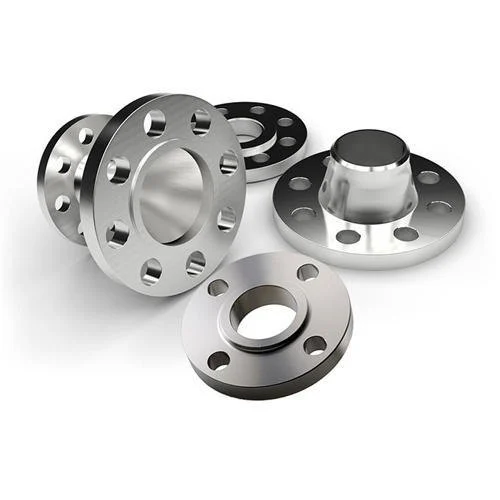
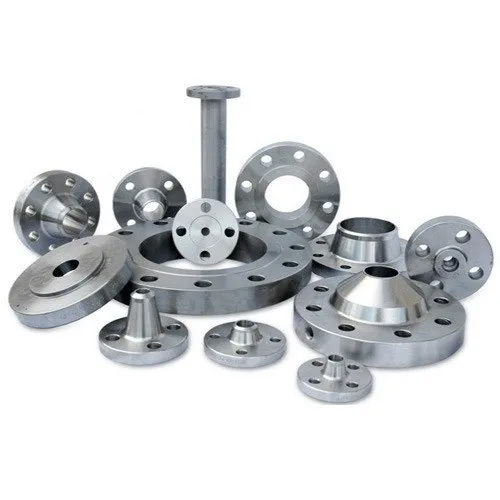
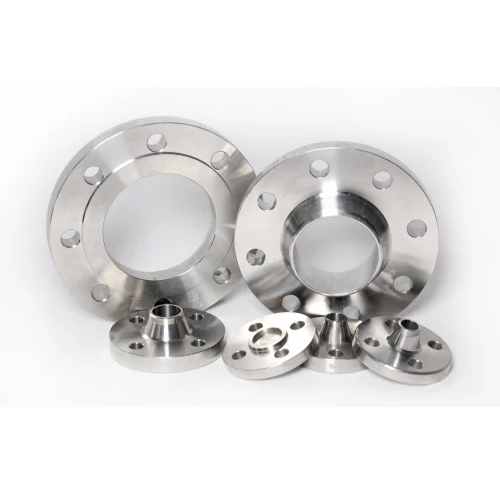
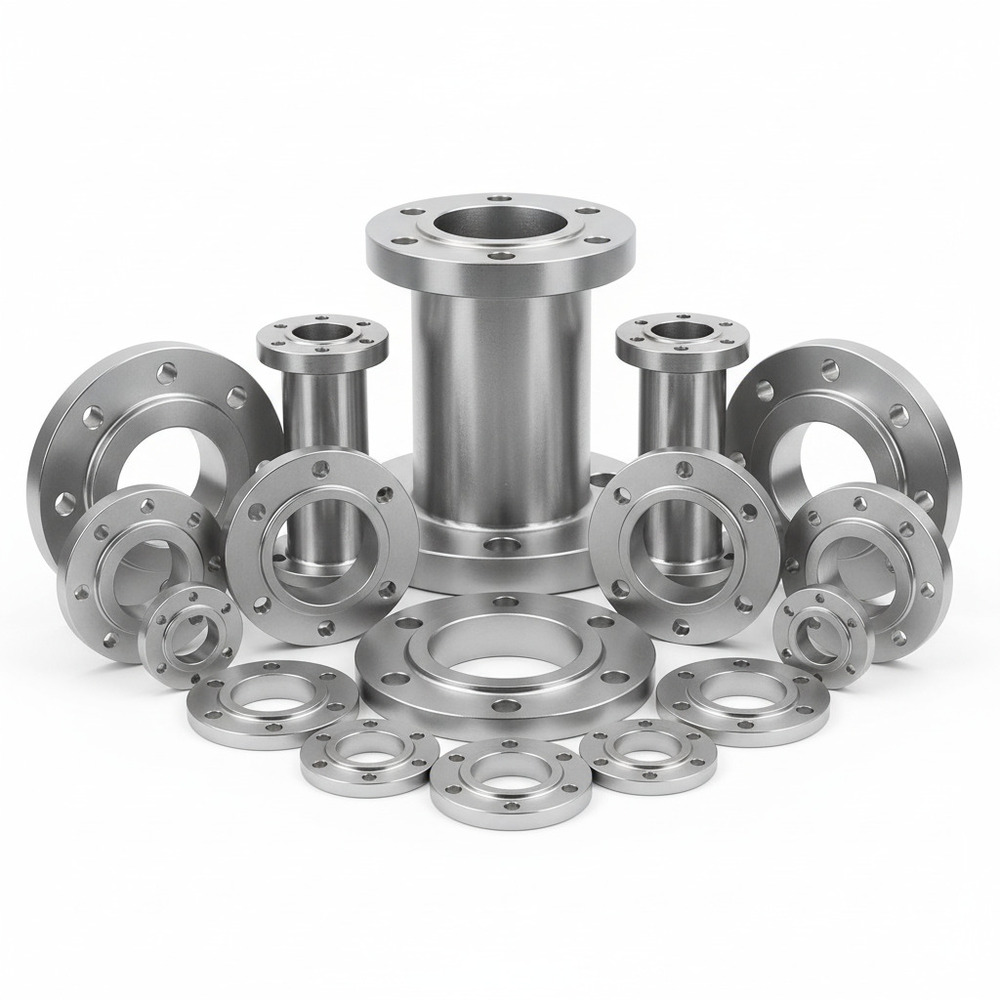
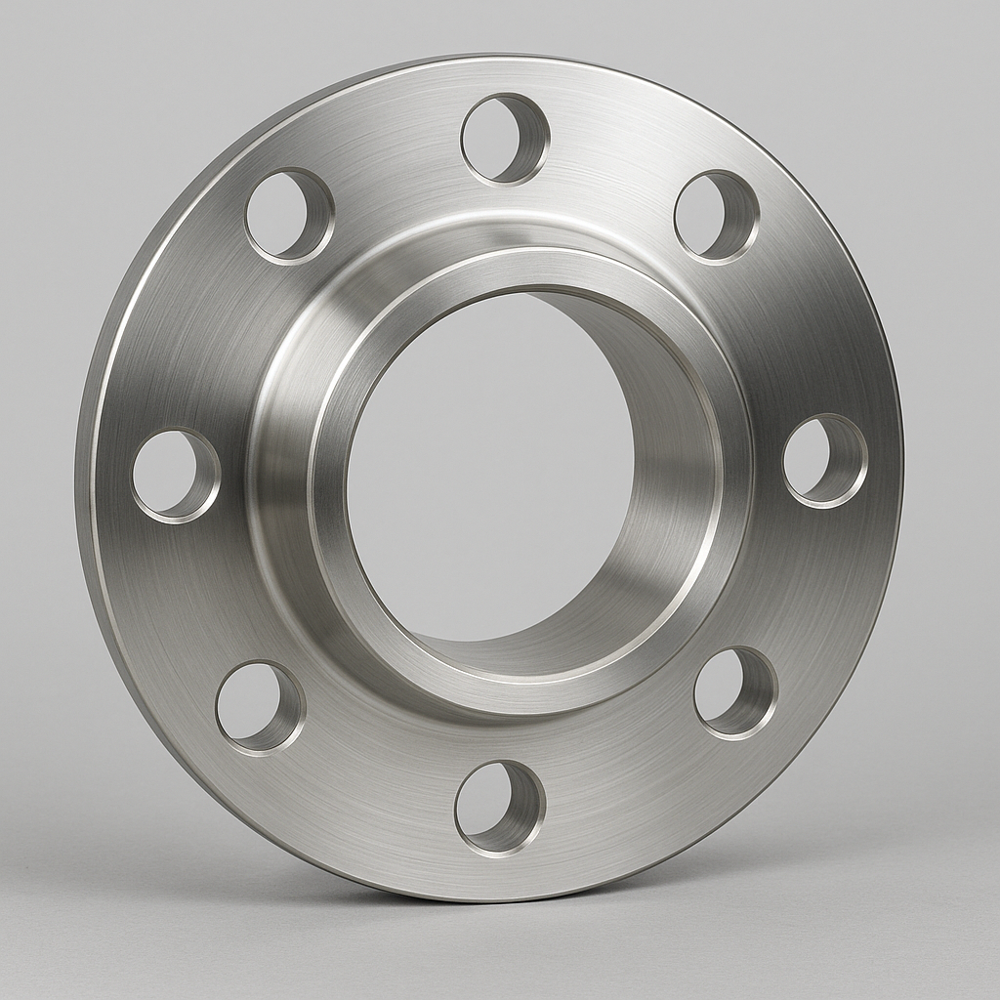
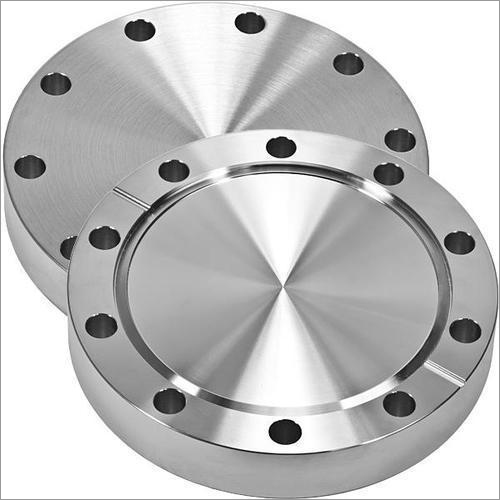
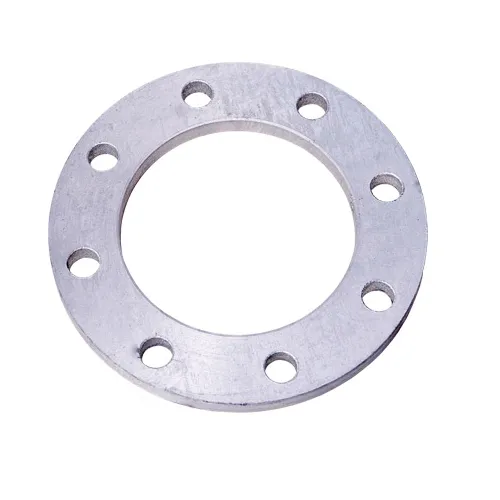
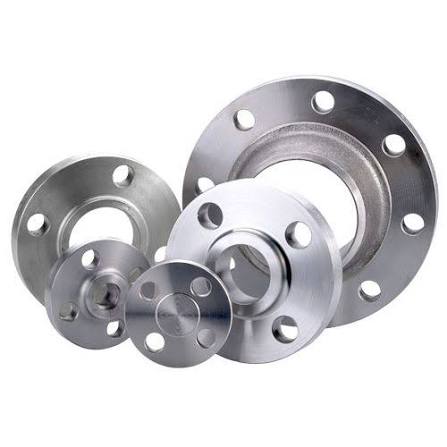
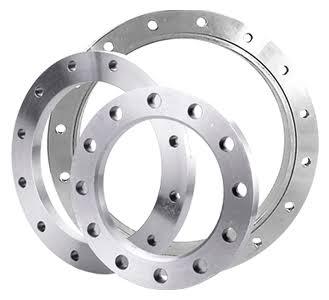
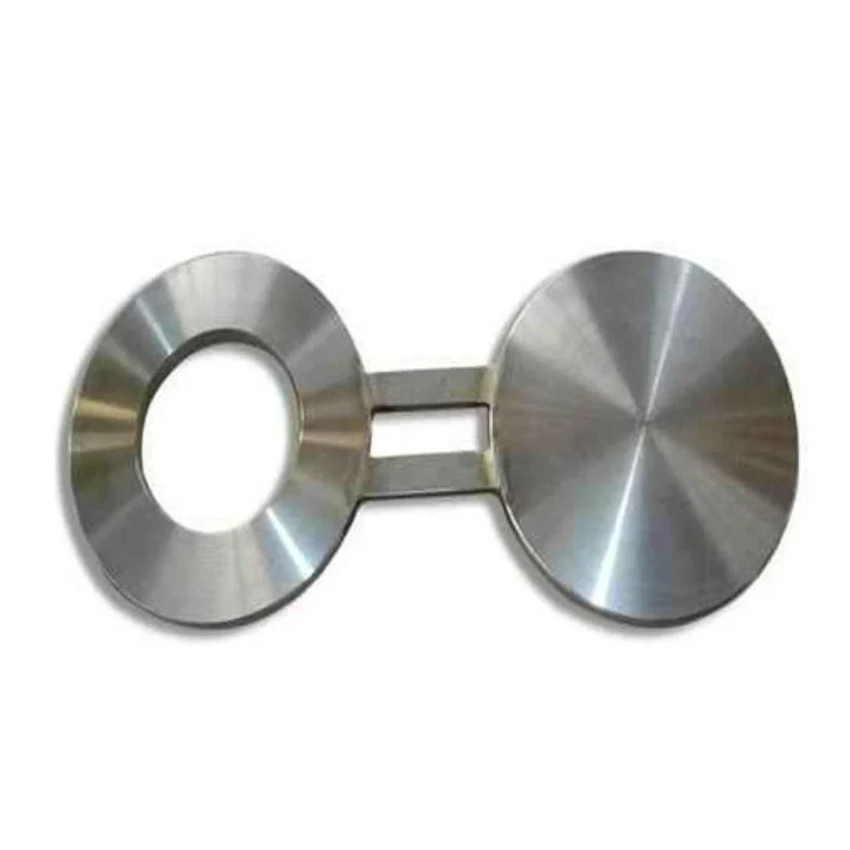
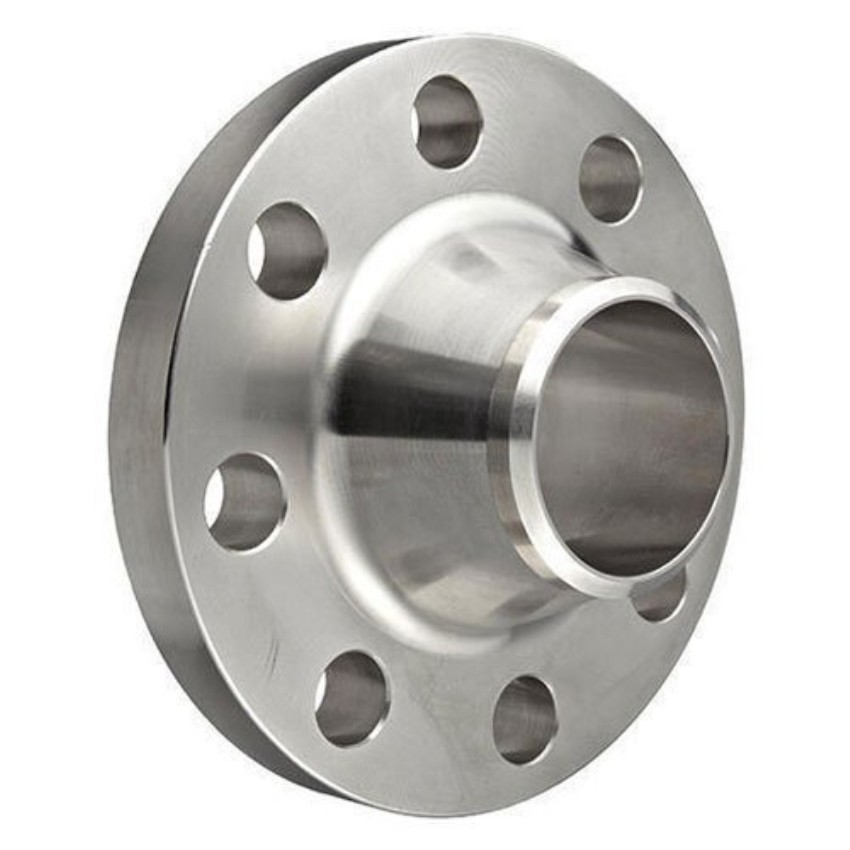
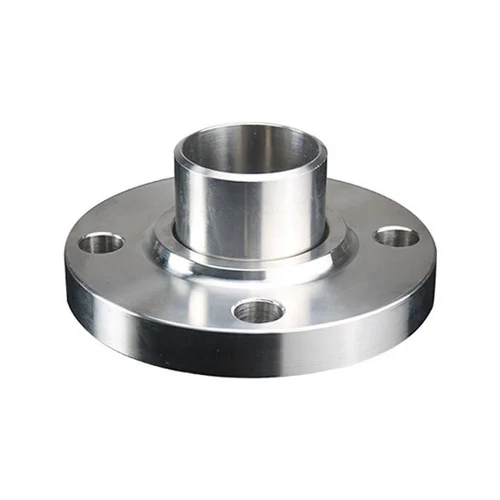
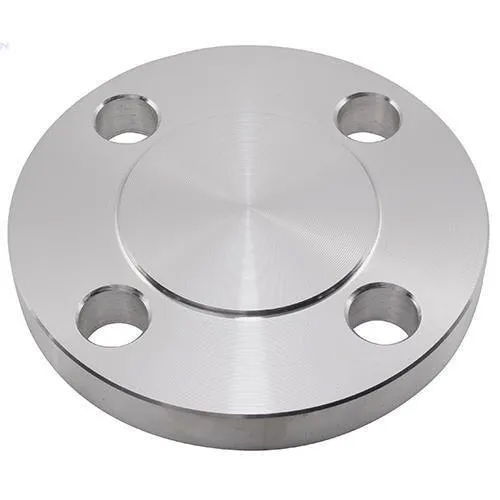
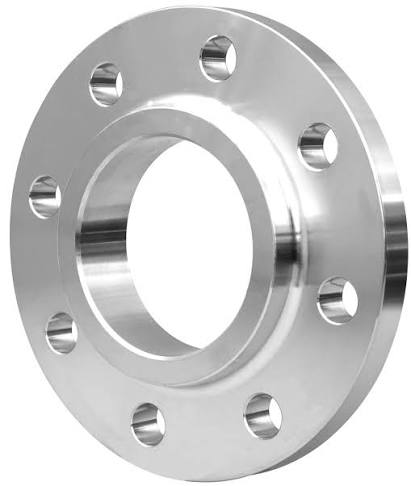
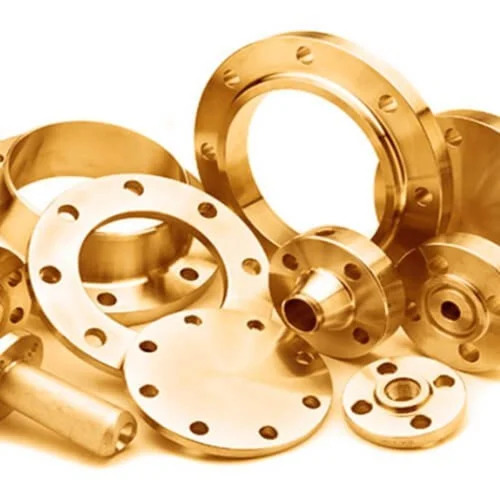
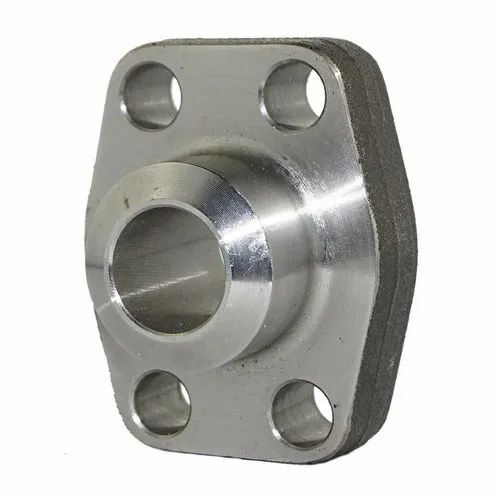
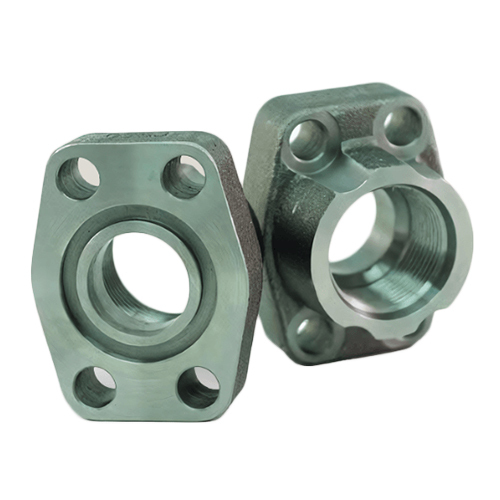
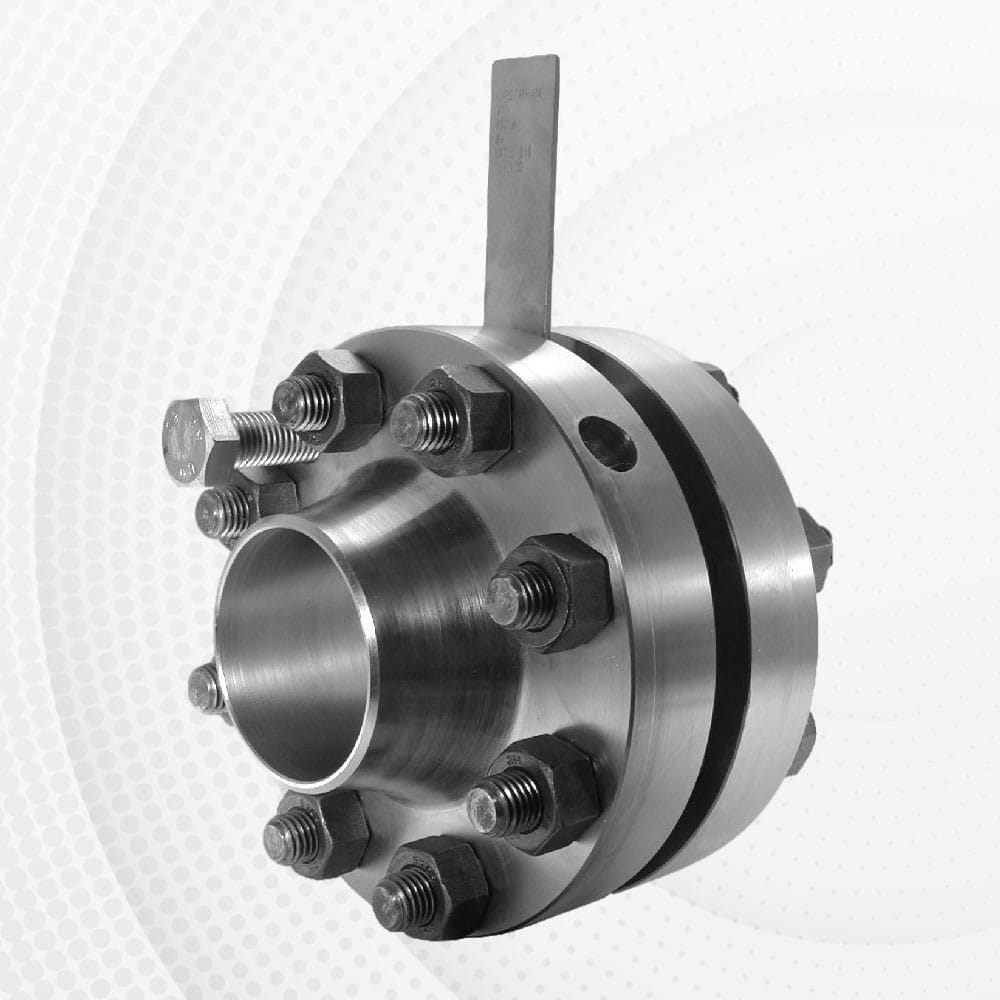
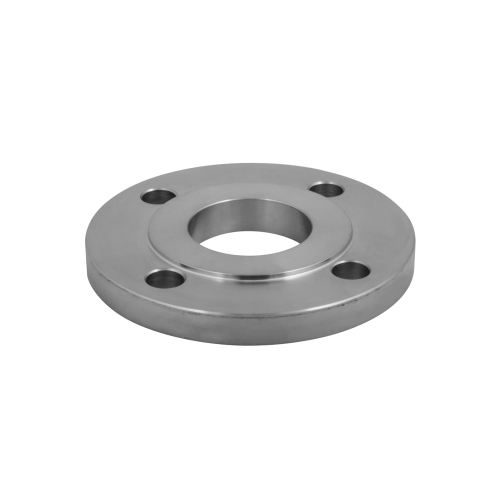
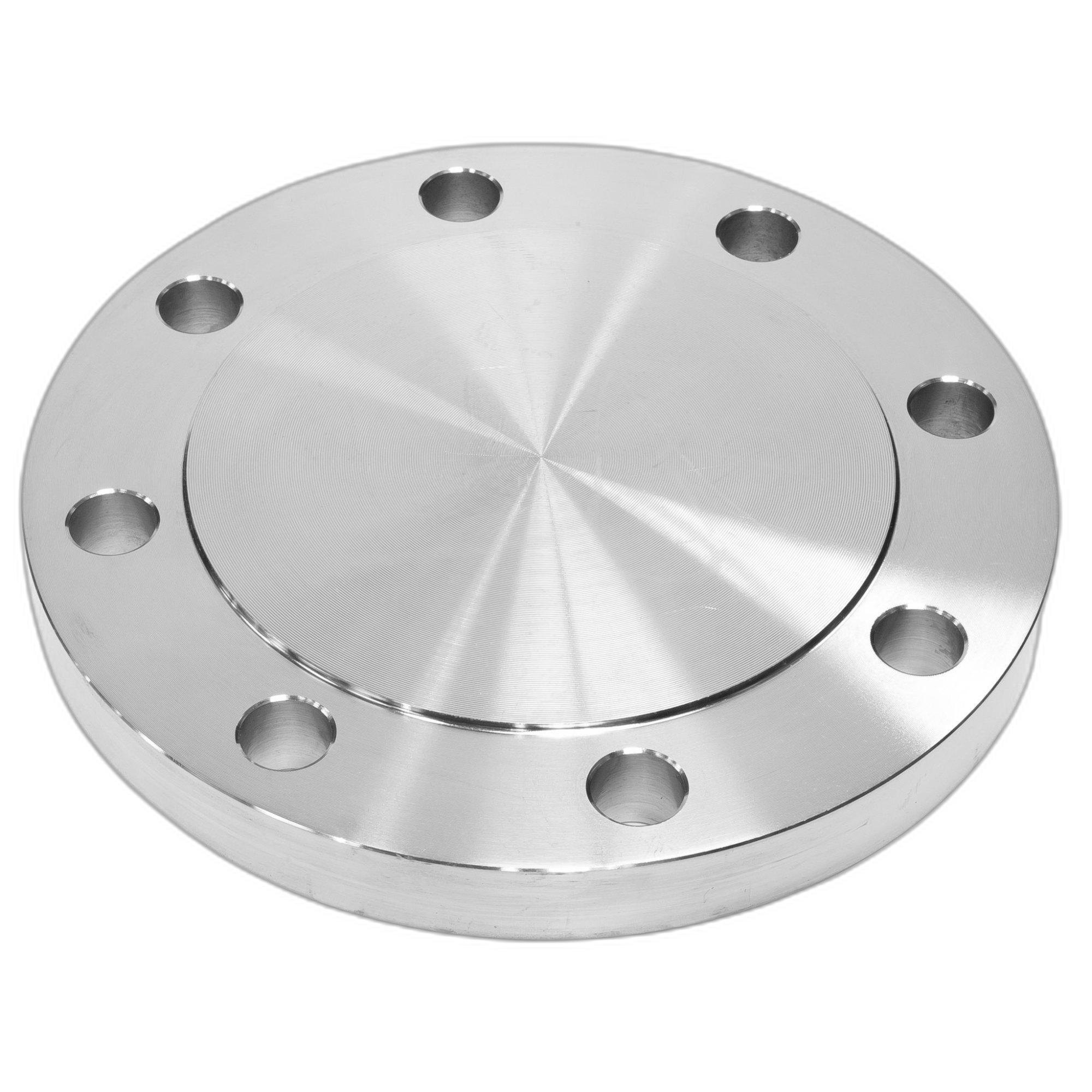
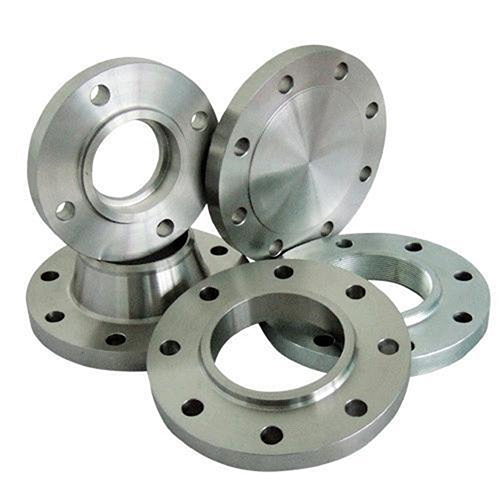
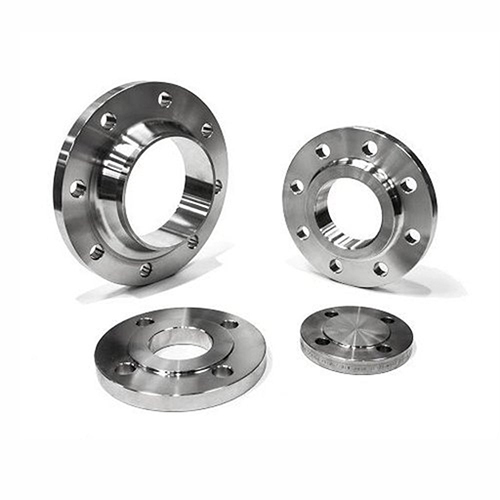
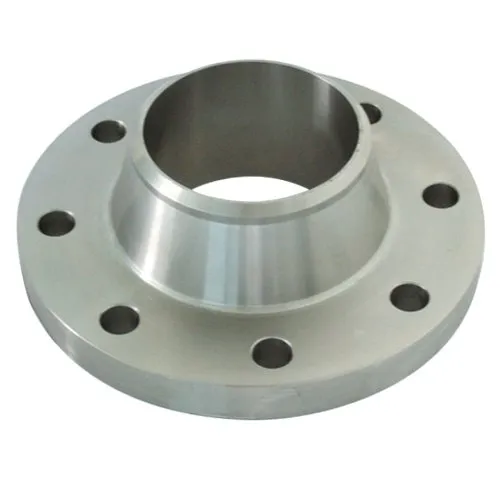
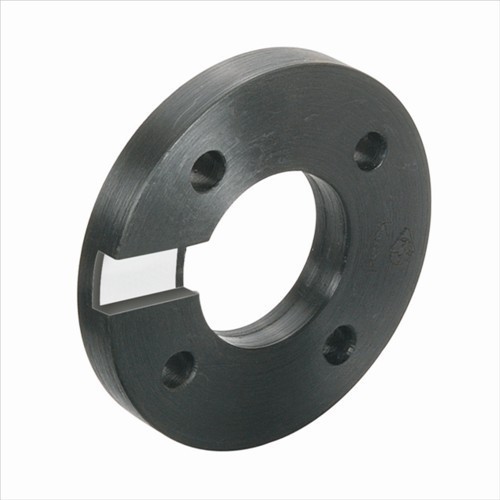
When engineering high-exposure marine manifolds, deep-sea exploration pods, aggressive chemical bleaching loops, or aerospace propulsion piping, structural joints must withstand intense corrosion while minimizing dead weight. Under these grueling service conditions, standard carbon and stainless steels suffer from rapid pitting, chloride stress cracking, and eventual catastrophic failure. Serving as a premier manufacturing entity, we forge and precision-machine heavy-duty Titanium Flanges designed specifically to operate within extreme chemical and high-velocity environments.
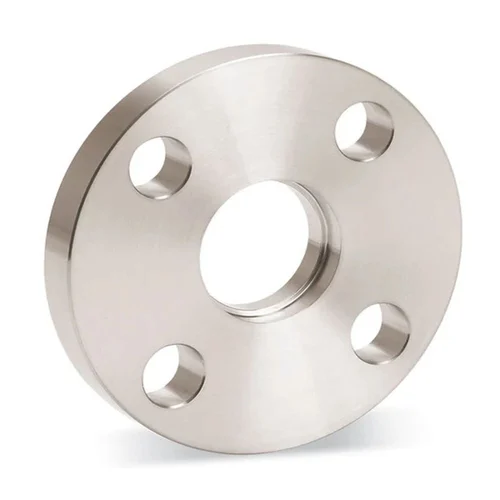
The defining structural asset of a titanium flange is its ability to instantly form an unyielding, continuous passive oxide film ($TiO_2$) upon exposure to trace amounts of oxygen or moisture. This self-healing boundary provides absolute immunity against aggressive wet chlorine gas, nitric acid streams, organic acids, and chlorinated hydrocarbons. Forged from premium certified titanium billets, our flanges completely eliminate the risk of premature joint tracking, structural erosion, and stress-corrosion cracking, maximizing the structural safety ceiling across aerospace manufacturing assemblies, naval submarines, and desalination refineries.
Our heavy manufacturing facility in Mumbai leverages state-of-the-art technological infrastructure to transform high-purity, fully traceable titanium ingots into high-yield flanged components. Because titanium is highly reactive with atmospheric gases like oxygen, nitrogen, and hydrogen at elevated temperatures, our hot-forging process is managed within strict thermal windows under protective induction setups or atmospheric control covers. We utilize heavy hydraulic forging presses to physically compress and re-align the internal micro-grain flow of the metal along the geometric contour of the flange ring and hub body.
Following the primary forging sequence, all blanks undergo controlled vacuum stress-relieving or solution annealing cycles to eliminate internal thermal stresses, prevent hydrogen embrittlement, and optimize structural ductility. Our precision machine shop features specialized high-stiffness CNC turning centers and vertical boring mills equipped with high-pressure coolant delivery systems. This rigid infrastructure overcomes titanium’s low thermal conductivity and severe work-hardening traits, allowing us to execute precise bore dimensioning, weld bevel preparation (ASME B16.25), and bolt-hole layout tapping to exact micron-level tolerances.
To satisfy the strict safety standards of aerospace, defense, and high-load process industries, every production batch goes through comprehensive destructive and non-destructive testing (NDT) protocols. Our internal quality control laboratory is managed by certified professionals who perform 100% Positive Material Identification (PMI) using X-ray fluorescence (XRF) and optical emission spectrometers to guarantee exact metallurgical grade authenticity before any metal enters production blocks.
Because titanium joints operating in high-pressure loops must remain completely free from sub-surface flaws, volumetric checking is an absolute priority. We execute 100% volumetric ultrasonic testing (UT) and radiographic verification (RT) across all high-stress hubs to confirm the components are entirely free from internal micro-cracks, gas porosity, or internal forging voids. Surface boundaries are checked using liquid dye penetrant testing (LPT), and mating surfaces are verified using digital profile gauges to ensure flawless flatness metrics for uniform gasket compression.
The operational lifespan and pressure containment of a heavy-duty titanium flange depend entirely on its specific chemical classification and the precision finish of its mating connection profile.
Industrial piping configurations rely on specific titanium grade classifications to match precise temperature and corrosive variables:
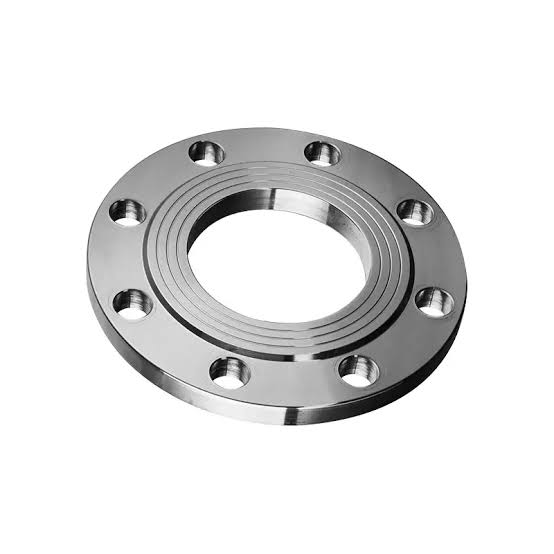
Equally critical is the dimensional machining of the sealing face. When tightening a flanged connection, the mating surfaces must compress the gasket with complete uniformity. Our specialized CNC turning centers machine precise phonographic or concentric serrations into the Raised Face (RF) or Flat Face (FF) profiles, maintaining a strict 125–250 micro-inch AARH (Arithmetic Average Roughness Height) surface finish. This targeted roughness forces the gasket material to cold-flow directly into the micro-grooves, creating an impenetrable, leak-proof barrier capable of containing Class 150# to Class 2500# process streams. For high-pressure operations, high-precision Ring Type Joint (RTJ) grooves are machined to accept metallic ring gaskets.
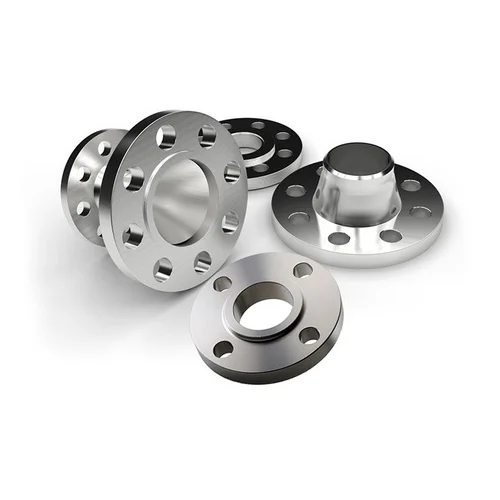
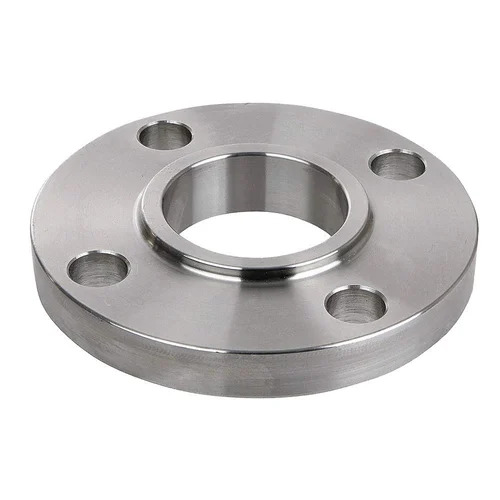
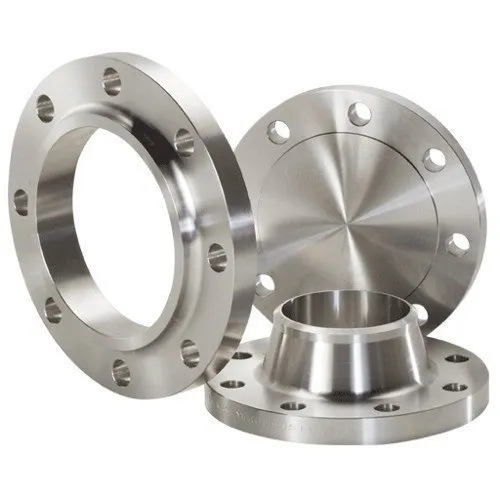
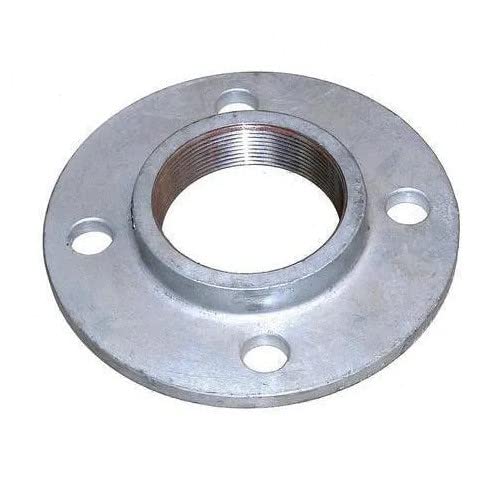
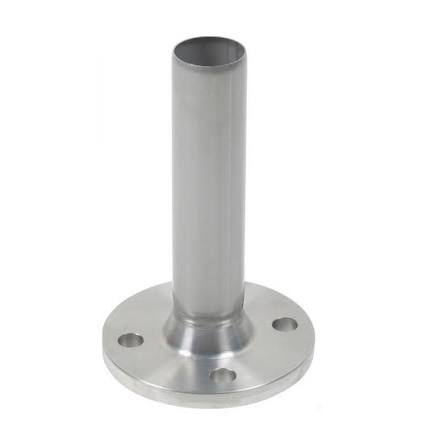
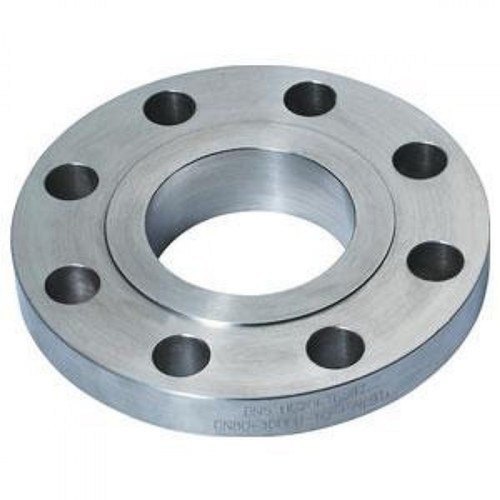
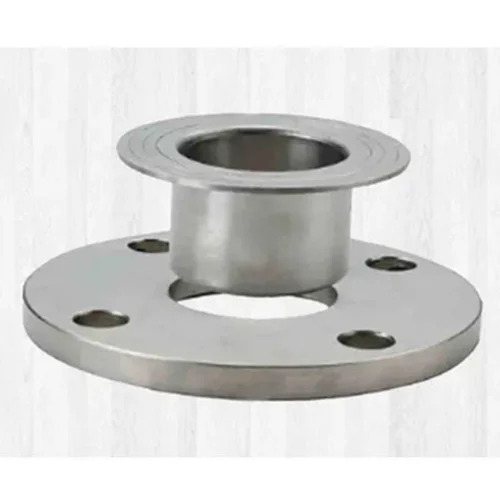
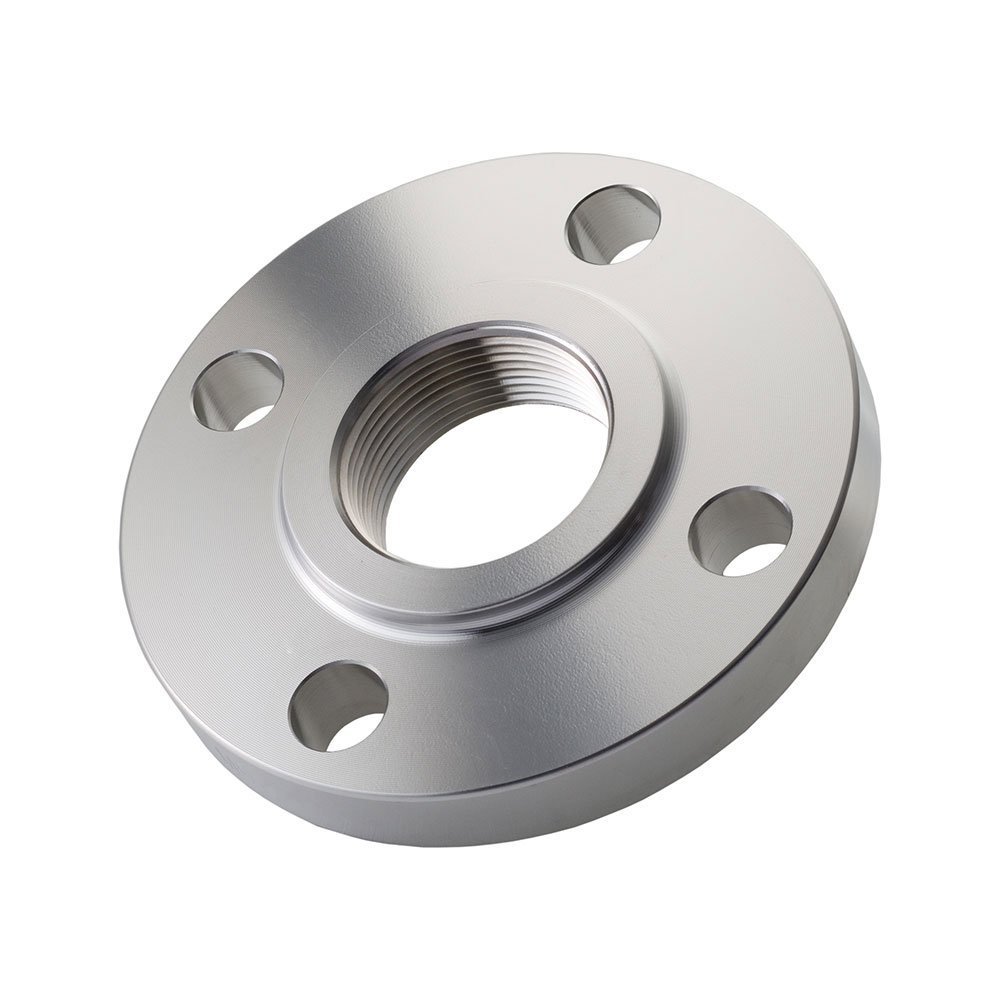
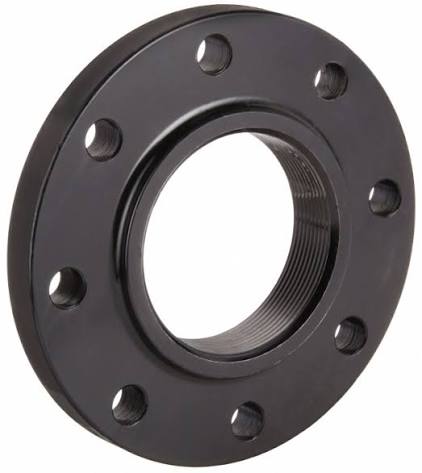
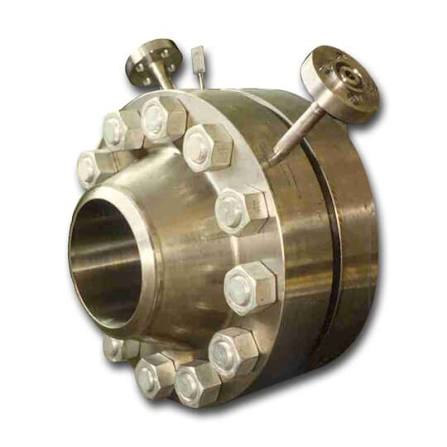
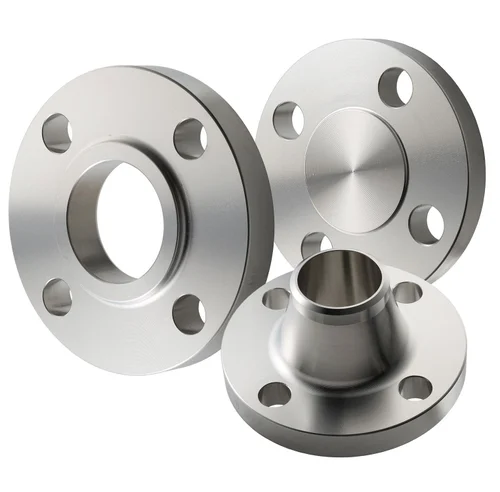
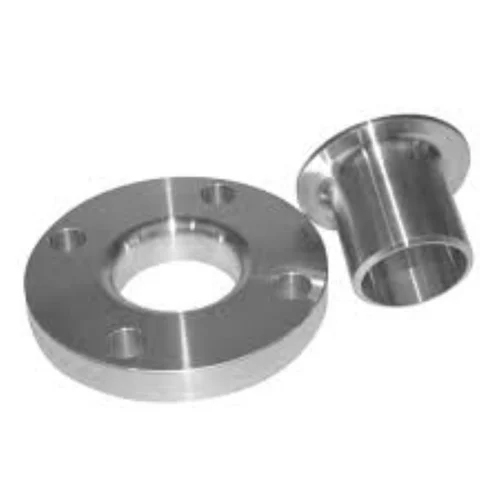
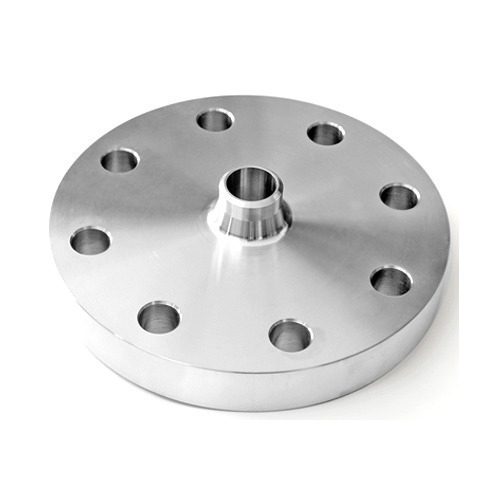
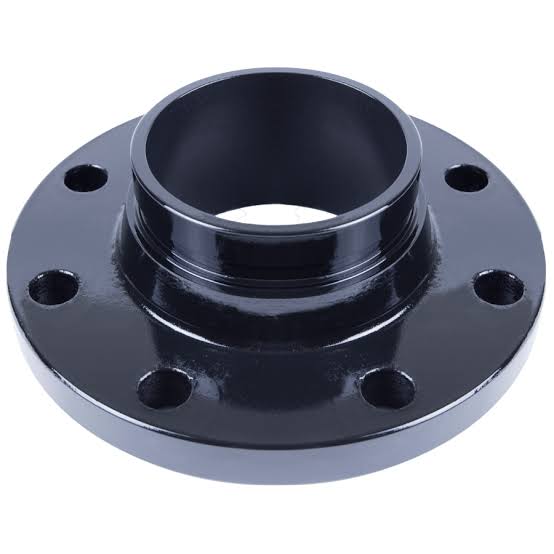
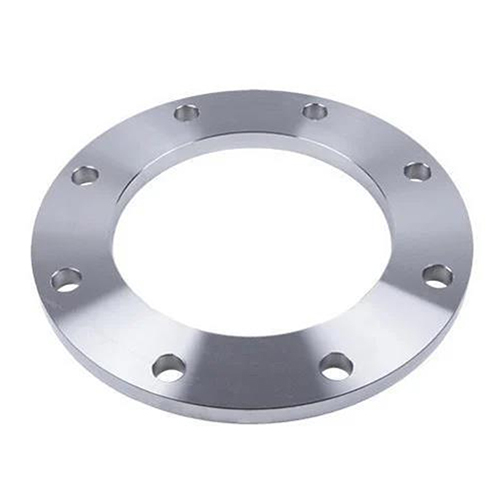
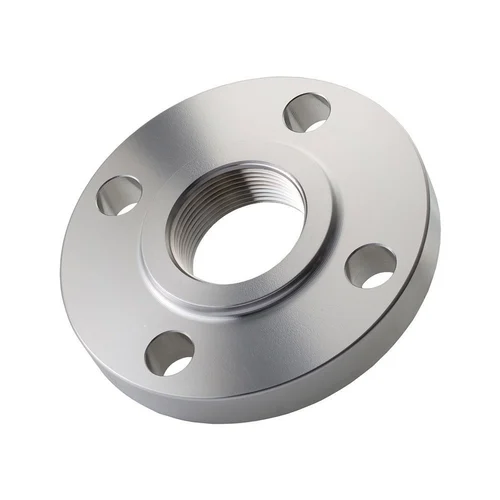
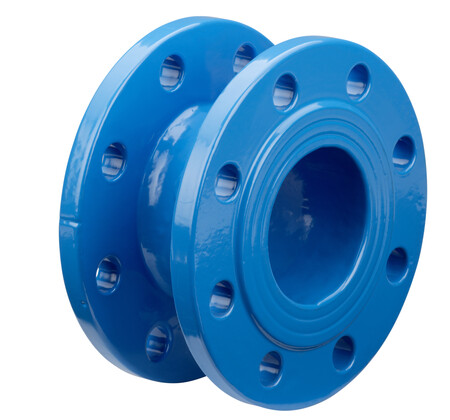
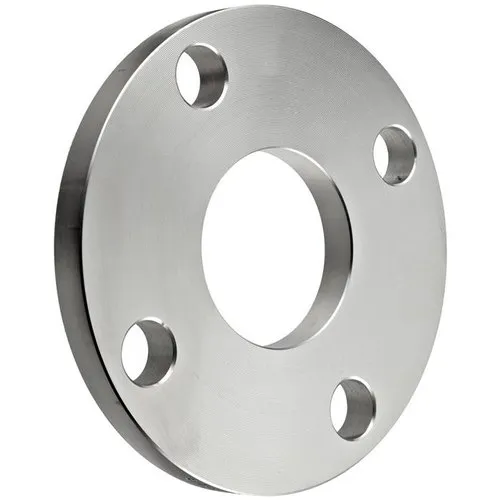
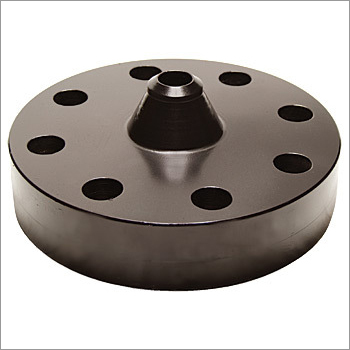
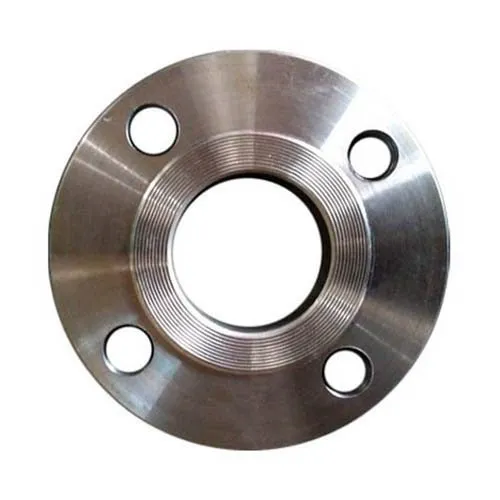
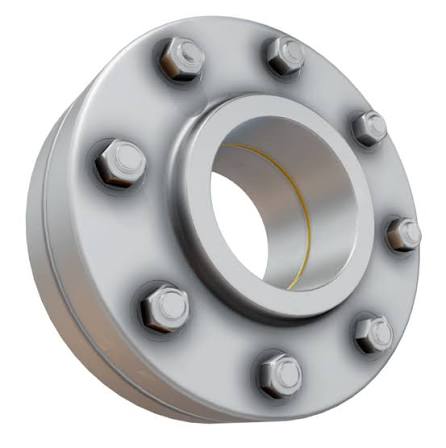
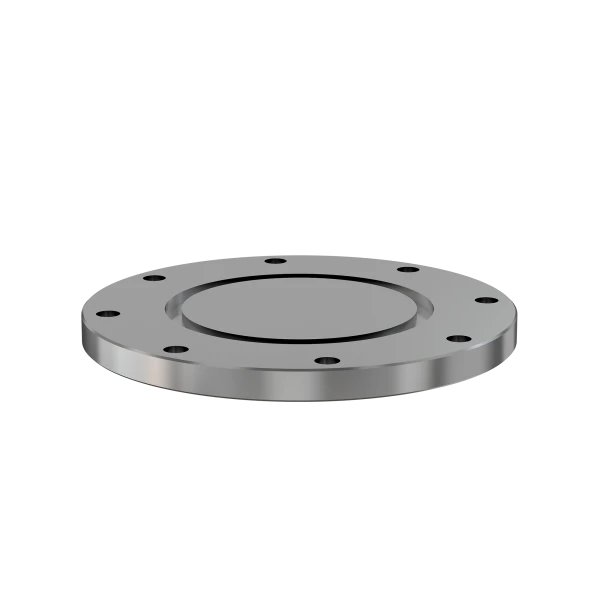
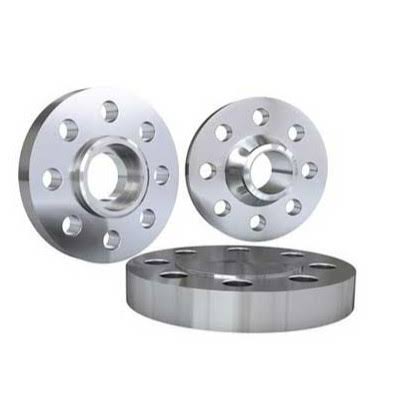
Depending on the pipeline routing geometry, system velocity, and field maintenance frequency, we manufacture multiple distinct structural configurations:
Our production engineering strictly follows global dimensional codes to ensure hassle-free integration with global piping infrastructure and commercial industrial systems.
| Parameter | Specification Details |
|---|---|
| Design Standards | ASME B16.5 (1/2" to 24"), ASME B16.47 Series A & B (26" to 60" large diameter), EN 1092-1, DIN, JIS B2220 |
| Material Specifications | ASTM B381 (Standard specification for Titanium and Titanium Alloy Forgings), ASME SB381 |
| Common Material Grades | Titanium Grade 1, Grade 2, Grade 5 (Ti-6Al-4V), Grade 7, Grade 12 (Ti-0.3Mo-0.8Ni) |
| Pressure Classes | Class 150, 300, 400, 600, 900, 1500, 2500 LBS / Metric PN6 to PN400 parameters |
| Facing Types | Raised Face (RF), Flat Face (FF), Ring Type Joint (RTJ), Tongue & Groove (T&G) |
| Size Range | 1/2” NB up to 24” NB standard (Large custom dimensions up to 48" available on blueprinted orders) |
| Testing Regimens | 100% PMI analysis, Volumetric Ultrasonic Hub Check, CMM Geometric Audit, LPT, Hardness check |
For global engineering, procurement, and construction (EPC) firms managing large-scale industrial projects, handling thousands of pipeline connections is a complex logistical task. Partnering with a dedicated distribution channel in Mumbai gives you a distinct operational edge.
We provide volume-based commercial discounts, comprehensive material traceability certifications (MTC EN 10204 3.1/3.2), and durable, sea-worthy packaging designed to prevent edge dents or surface scratches during transport. Additionally, our sales engineers provide direct technical support to procurement teams, verifying bolt-circle dimensions, pressure-temperature ratings, and wall-thickness compatibility to match project isometric data perfectly.
Our focus on precision machining and zero-defect forging has earned strong international trust. Operating from the export hub of Mumbai, we regularly ship high-reliability titanium flanges to chemical plants in the Middle East, structural piping installations in Europe, and water distribution networks across Southeast Asia.
Every export order passes through a strict final quality checkpoint, including full dimensional analysis, face thickness validation, and 100% PMI validation. We package shipments in heavy-duty, export-grade wooden cases equipped with moisture-resistant barriers and tailored face protectors. This ensures your components arrive at the project site ready for immediate installation.
| Titanium Flanges – Technical Specifications | Details |
|---|---|
| Size Range Spectrum | 1/2" to 24" (DN 15 to DN 600) / Custom large configurations available |
| Pressure Class Range | 150 / 300 / 600 / 900 / 1500 / 2500 LBS, PN 6 to PN 250 |
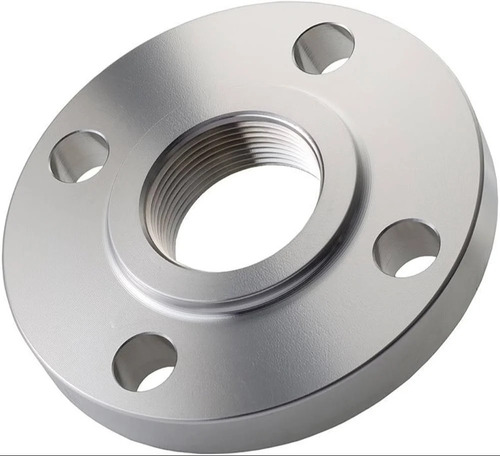
| Type Configurations | Weld Neck (WNRF), Slip-On (SORF), Socket Weld (SWRF), Blind (BLRF), Lap Joint (LJF), Threaded |
| Face Design Options | Raised Face (RF Serrated), Flat Face (FF), Ring Type Joint (RTJ Groove) |
| Manufacturing Process | 100% Forged / Vacuum Annealed & Precision CNC Bored & Machined Finished |
| Testing Protocols | Hydrostatic Pressure, PMI, Face Flatness check, Hardness, Volumetric Ultrasonic Check, LPT |
| Certification Scope | EN 10204 3.1 / 3.2 Mill Test Certificate, Compliance with NACE MR0175 for Sour Gas Environments |
Find the Best Quality Industrial Solutions and Workspace Furniture at Factory Prices.