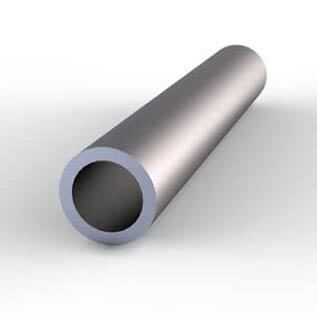
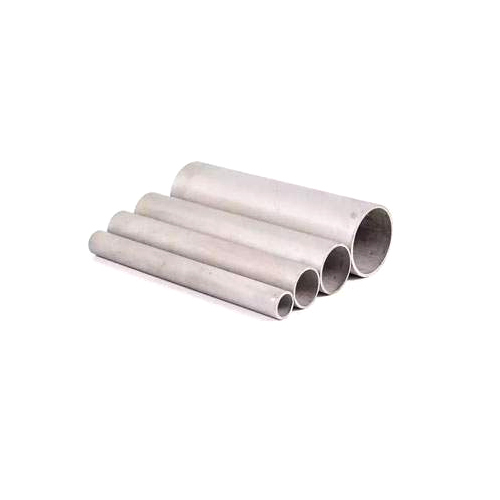
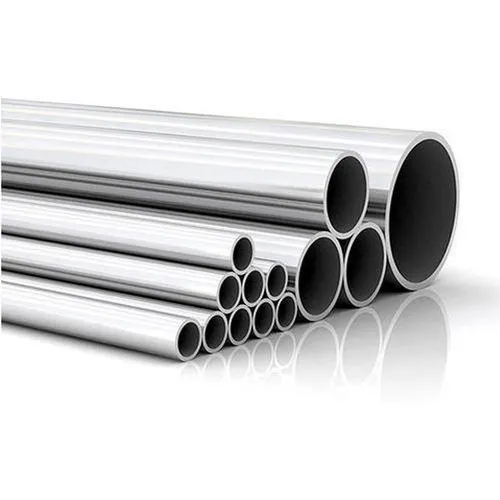
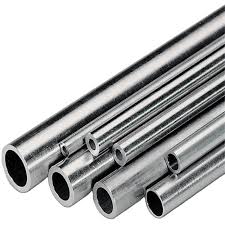
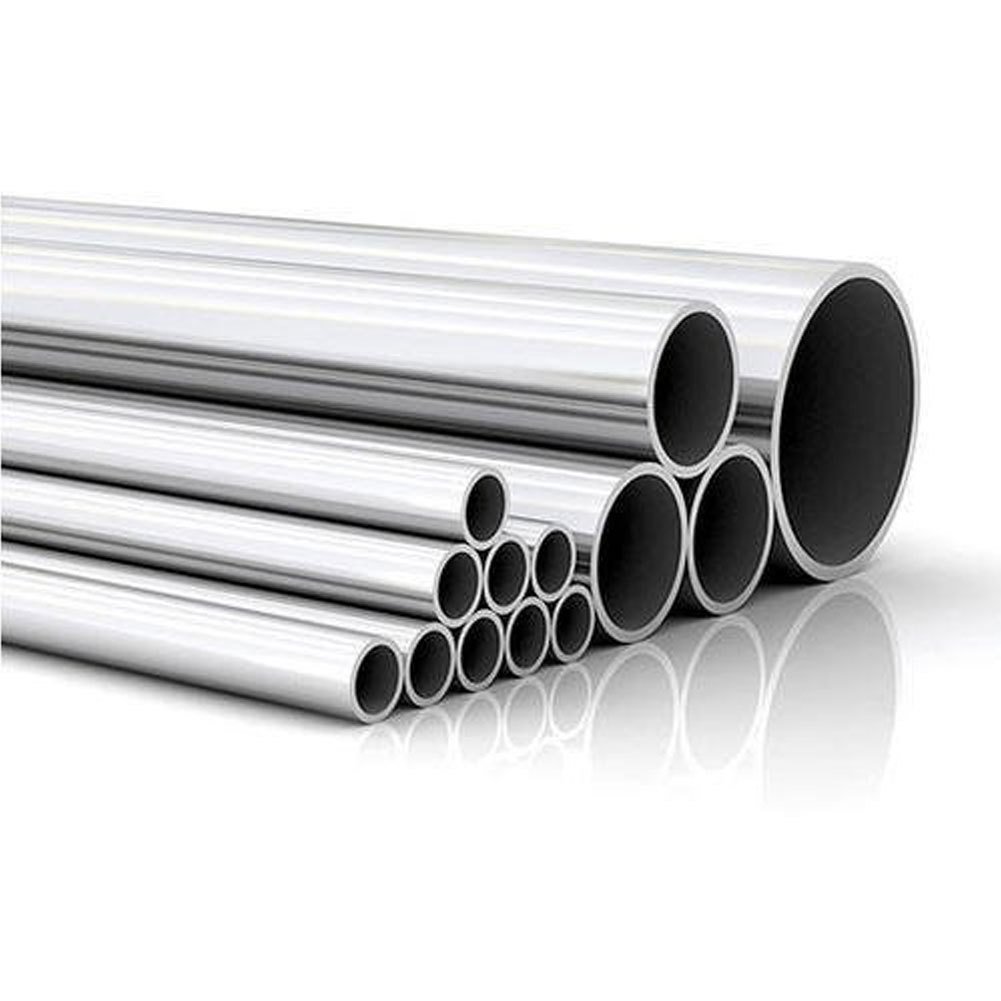
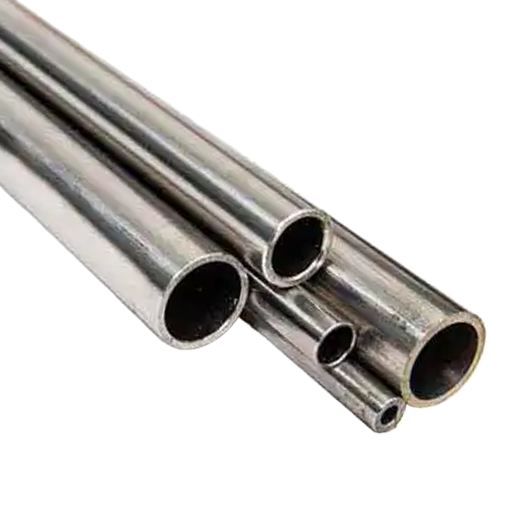
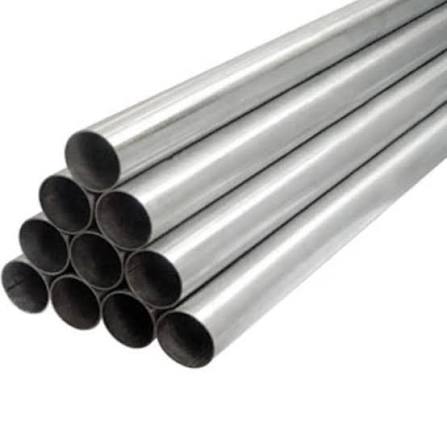
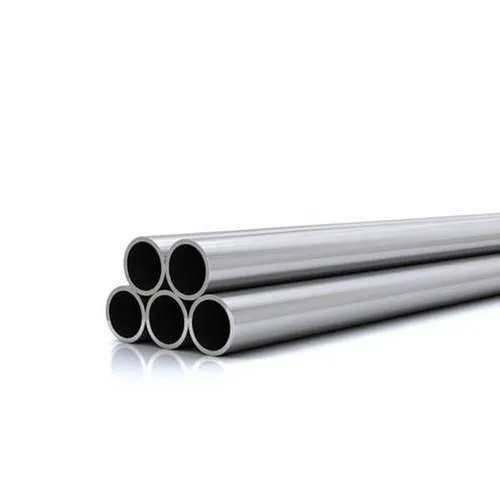
When engineering high-volume petrochemical pyrolysis furnaces, automated heat-treating fixtures, ore-roasting systems, or heavy industrial furnace radiant tubes, fluid transmission pipelines face severe thermo-mechanical degradation. Under continuous contact with carbon-rich gases, ammonia atmospheres, or aggressive combustion products at temperatures ranging from 800°C to 1150°C, generic stainless steels and standard metals fail rapidly due to localized internal carburization, severe embrittlement, and dynamic thermal fatigue cracking. Serving as a premier manufacturing entity, we forge, roll, and precision-machine heavy-duty Incoloy 330 / SS 330 / RA 330 Pipes explicitly engineered to maintain absolute structural integrity under punishing high-heat conditions. Grade 330 (UNS N08330 / W.Nr. 1.4886) represents a highly specialized nickel-iron-chromium-silicon superalloy optimized for demanding high-temperature thermal processing environments.
The primary engineering asset of a Grade 330 pipe lies in its unique, dual-stabilized fully austenitic matrix. It features a rich concentration of nickel (34% to 37%) and chromium (17% to 20%), reinforced with a targeted addition of 1.0% to 1.5% silicon. Silicon acts as a powerful elemental catalyst at high temperatures, driving the formation of a dense, highly adherent, and deep passivating microscopic oxide layer that acts as a physical block against the absorption of carbon and nitrogen molecules into the underlying metal core. Simultaneously, its high nickel profile completely eliminates the risk of chloride-induced stress corrosion cracking (SCC) and avoids the rapid formation of brittle sigma-phase intermetallics. Forged and cold-pilgered from premium certified billets, our seamless pipes completely eliminate internal micro-porosity and weld-line vulnerabilities, ensuring maximum resistance to catastrophic thermal shock across rapid heating and cooling cycles.
Our heavy industrial manufacturing facility in Mumbai leverages state-of-the-art technological infrastructure to transform high-purity, traceably certified Grade 330 billets and plate stock into high-performance industrial pipelines. For our seamless piping inventory, we operate advanced high-tonnage hydraulic piercing and hot-extrusion presses alongside automated cold-pilgering mills. Because complex silicon-bearing nickel superalloys exhibit exceptional mechanical toughness and rapid work-hardening traits, the cold-working sequence must be managed within highly precise mechanical and thermal windows. Compressing the metal matrix over a precision-ground mandrel and through a targeted die re-aligns the internal micro-grain flow along the exact longitudinal axis of the pipe body, yielding vastly superior burst pressure thresholds, a flawless internal surface finish, and tight dimensional tolerances compared to standard hot-rolled options.
Following primary forming, all pipes pass through mandatory thermo-mechanical heat treatment regimens—specifically, solution annealing conducted within protective, oxygen-free controlled atmospheres. This specialized thermal sequence completely dissolves any precipitated grain-boundary carbides back into the solid solution, fully relieves internal mechanical stresses, and restores maximum material ductility. Our precision finishing lines utilize automated straightening rollers and high-speed CNC machine tools to finish pipe ends, executing precise weld-bevel preparation (typically 37.5° matching ASME B16.25 standards) to enable rapid, high-integrity field fit-up and circumferential butt-welding at the job site.
To satisfy the strict safety mandates of regulated chemical synthesis networks, thermal utilities, aerospace engineering packages, and global classification bodies, every single production batch undergoes thorough destructive and non-destructive testing (NDT) protocols. Our internal quality control laboratory features certified technicians who execute 100% Positive Material Identification (PMI) using advanced spectrometers to guarantee precise chemical alloy grade authenticity before any batch proceeds to forming blocks.
Because pipelines operating under full hydrodynamic loads and extreme thermal gradients experience maximum cross-sectional stress, internal volumetric auditing is an absolute priority. We perform 100% non-destructive **Ultrasonic Testing (UT)** and **Radiographic Verification (RT)** across all high-pressure components to verify the complete absence of sub-surface micro-fissures, gas porosity, or internal structural flaws. All pipes are subjected to mandatory Hydrostatic Pressure Containment testing up to strict code limits, accompanied by digital profile gauges to map wall thickness tolerances and ensure absolute geometric uniformity from end to end.

The operational lifespan, mechanical resilience, and chemical defense of an industrial Grade 330 pipe depend entirely on its specific metallurgical composition and its primary structural classification.
The chemical formulation of Grade 330 is carefully balanced to deliver robust high-temperature creep strength and excellent carburization defense:
| Alloy Grade | Nickel (Ni) | Chromium (Cr) | Silicon (Si) | Carbon (C) | Manganese (Mn) | Phosphorus (P) | Sulfur (S) | Iron (Fe) |
|---|---|---|---|---|---|---|---|---|
| Incoloy 330 / RA 330 | 34.00–37.00 | 17.00–20.00 | 1.00–1.50 | 0.08 Max | 2.00 Max | 0.030 Max | 0.030 Max | Balance |
Note: While standard high-temperature alloys suffer rapid microstructural deterioration under alternating oxidizing and reducing atmospheres, the rich combination of 35% nickel, 19% chromium, and 1.25% silicon preserves outstanding oxidation resistance and mechanical yield strength up to 1150°C (2100°F).
Depending on line dimensions, operating pressure class parameters, and budget allocations, we supply industrial piping across two foundational configurations:
| Parameter | Seamless Pipe (ASTM B511 / B535 parity) | Welded Pipe (ASTM B546 parity) |
|---|---|---|
| Manufacturing Method | Hot-extruded and cold-pilgered from solid pure billets. Uninterrupted solid cylinder wall layout without weld seams. | Formed from continuous precision strip or plate stock, welded longitudinally via automated TIG/welding lines without filler metal. |
| Pressure Capabilities | Maximum hydrostatic retention; completely eliminates the risk of directional seam failure under severe thermal cycles. | Moderate pressure ratings; typically governed by a joint efficiency factor ($E = 0.85$ or $1.00$ based on volumetric NDT status). |
| Size Range Spectrum | Standard availability typically restricted from 1/2" NB up to 12" NB due to heavy hydraulic extrusion limits. | Virtually unrestricted; ideal for large-diameter process lines stretching from 1/2" NB up to 36" NB and above. |
| Wall Thickness Uniformity | Excellent, though slight wall concentricity variations can occur over long structural lengths. | Ultra-precise wall thickness uniformity, as the starting point is a high-accuracy rolled sheet or strip. |
Our production engineering strictly follows global dimensional codes to ensure hassle-free integration with global piping infrastructure, valves, flanges, and fittings.
| Parameter | Specification Details |
|---|---|
| Design Standards | ASME B36.10M (Welded and Seamless Wrought Steel Pipe dimensional parity), ASME B36.19M (Stainless and Corrosion Resistant Pipe standards), DIN, ISO, EN standards |
| Material Specifications | ASTM B535 (Seamless Nickel-Iron-Chromium-Silicon Alloy Pipe), ASTM B546 (Welded Nickel Alloy Pipe), ASTM B511, EN 10216-5 |
| Common Material Grades | Incoloy 330 / SS 330 / RA 330 (UNS N08330 / W.Nr. 1.4886) |
| Wall Thickness Schedules | Sch 5S, Sch 10S, Sch 40S (Standard Wall / STD), Sch 80S (Extra Heavy / XS), Sch 160, Sch XXS (Double Extra Strong) |
| Facing End Layouts | Beveled Ends (BE standard for butt-welding), Plain Ends (PE for socket-welding or slip-on layouts), Threaded Ends (TE matching NPT criteria) |
| Size Specification Matrix | 1/2” NB up to 36” NB standard coverage (Custom wall dimensions and large-diameter pipelines executed to blueprint criteria) |
| Testing Regimens | 100% PMI verification, Hydrostatic Leak Containment, Volumetric Ultrasonic/Radiographic Seam Check, Hardness check, Flattening and Bend tests |
For global engineering, procurement, and construction (EPC) firms, plant turnaround contractors, and infrastructure developers handling high-volume volatile networks, sourcing traceably certified industrial components is a precise task. Partnering with a dedicated distribution channel in Mumbai gives you a distinct operational edge.
We provide volume-based commercial discounts, comprehensive material traceability certifications (MTC EN 10204 3.1/3.2), and durable, sea-worthy bundling packaging designed to prevent transit surface scratches, end bevel distortion, or bending. Pipes are protected with external anti-corrosion coatings and end plastic caps, ensuring your components arrive at the project site ready for immediate welding and installation.
Our focus on precision dimensional control and zero-defect quality validation has earned strong international trust. Operating from the export hub of Mumbai, we regularly ship high-reliability seamless and welded Grade 330 pipes to thermal processing complexes in the Middle East, high-temperature furnace manufacturing networks in Europe, and industrial refinery setups across Southeast Asia.
Every export order passes through a strict final quality checkpoint, including full dimensional analysis, 100% PMI validation, and hydrostatic proofing checks. We package shipments in heavy-duty, seaworthy bundles or wooden crates equipped with moisture-resistant barriers and protective end protectors. This ensures your high-yield components arrive at the project site ready for immediate installation.
| Grade 330 Industrial Piping – Technical Specifications | Details |
|---|---|
| Size Specification Range | 1/2" to 36" (Complete Nominal Bore Spectrum for severe high-temperature fluid containment) |
| Wall Thickness Range | Sch 5S up to Sch XXS (Complete coverage from thin-wall utility to ultra-heavy high-pressure wall schedules) |
| Type Configurations | Seamless Hot-Extruded & Cold-Pilgered Pipe, Longitudinally Welded (TIG/Plasma) Pipe |
| End Finish Formats | Weld Beveled Ends (37.5° Bevel Angle), Square Cut Plain Ends, Male Threaded Ends (NPT) |
| Surface Protection Options | Cleaned Mill Finish, Bright Annealed (BA), Protective PE Wrap, End Cap Containment |
| Testing Protocols | Hydrostatic Leak Containment, Radiographic/Ultrasonic Seam Audit, PMI analysis, Flattening & Bend tests, Hardness verification |
| Certification Scope | EN 10204 3.1 / 3.2 Mill Test Certification, Compliance with NACE MR0175 / Sour Service parameters |
Find the Best Quality Industrial Solutions and Workspace Furniture at Factory Prices.