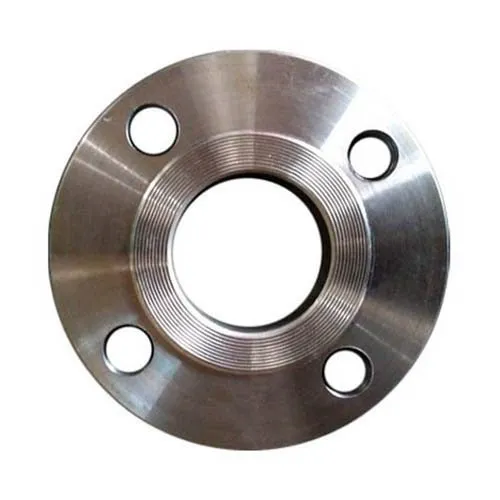
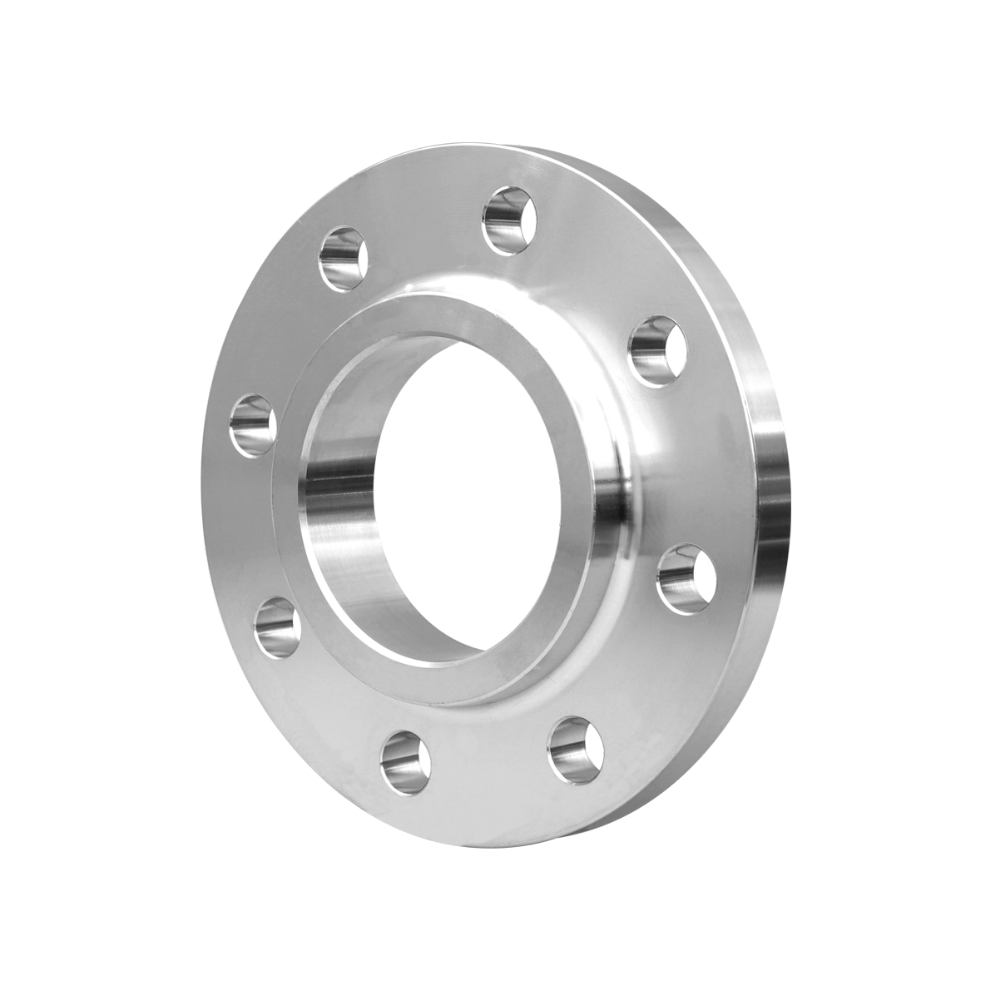
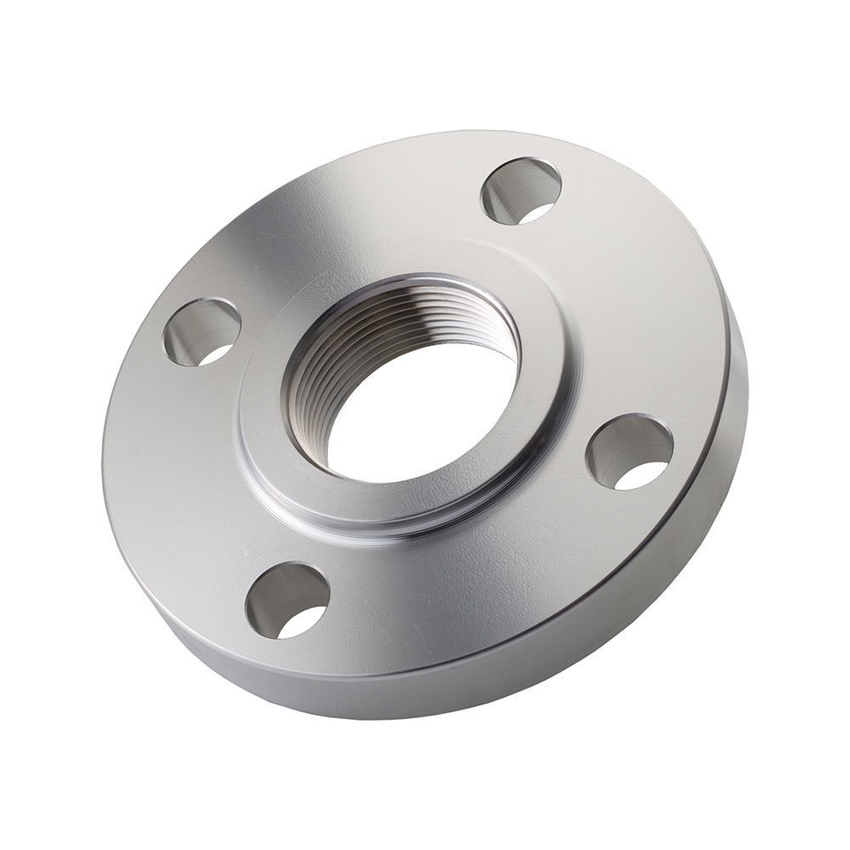
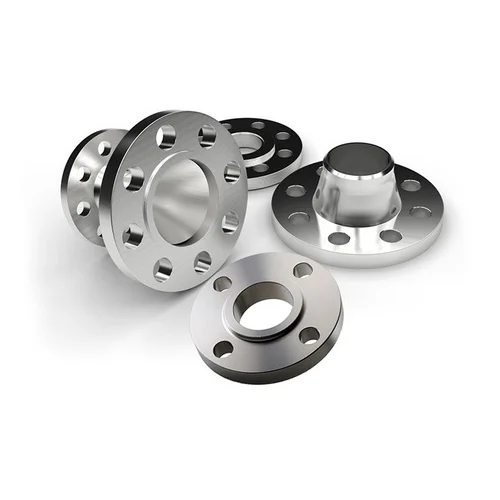
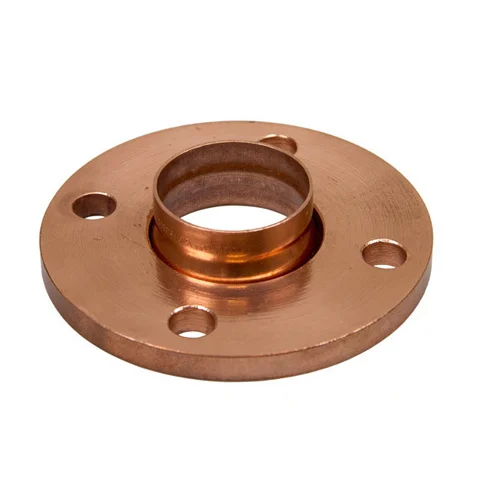
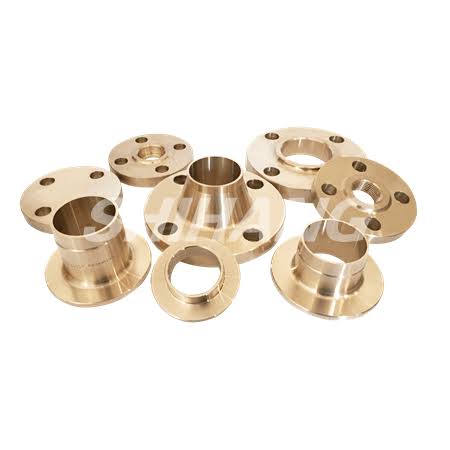
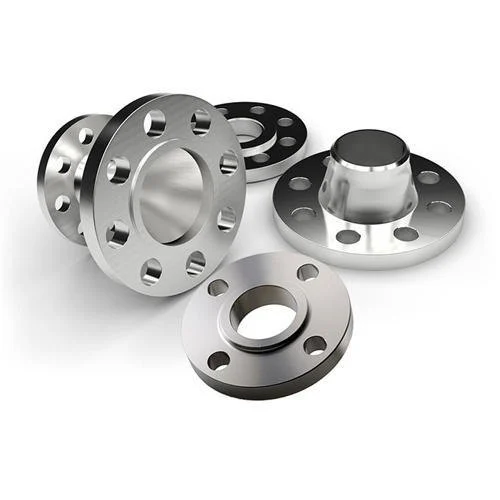
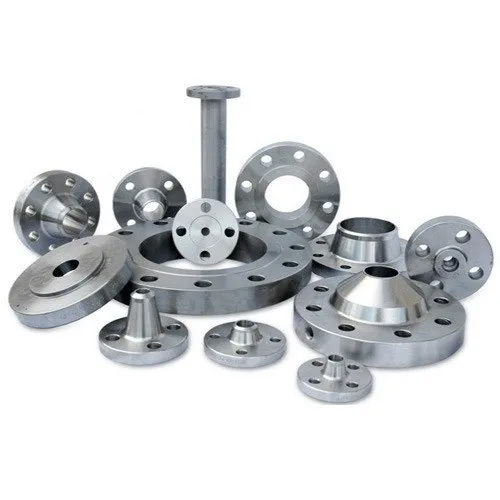
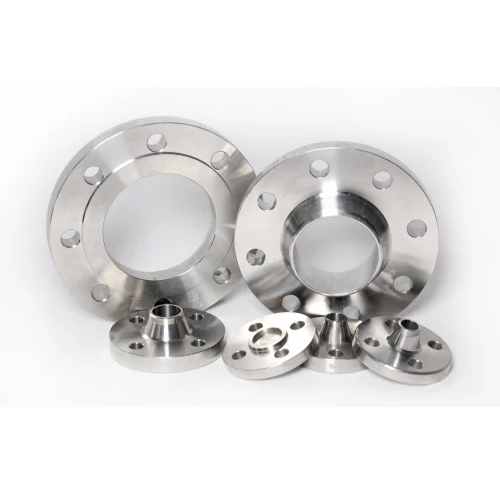
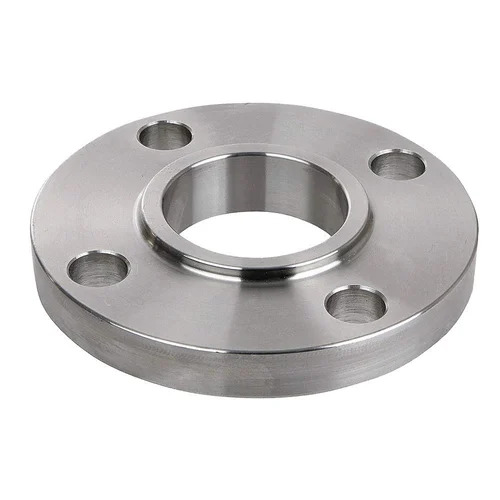
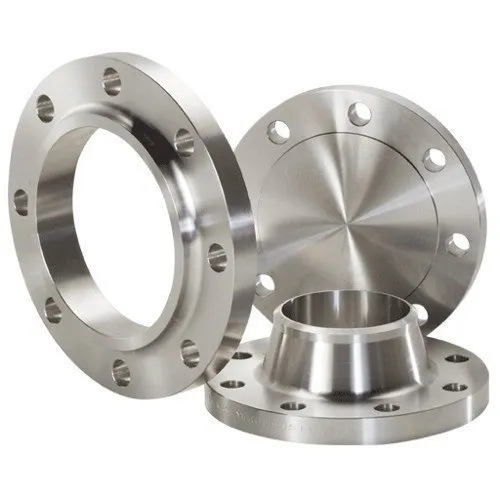
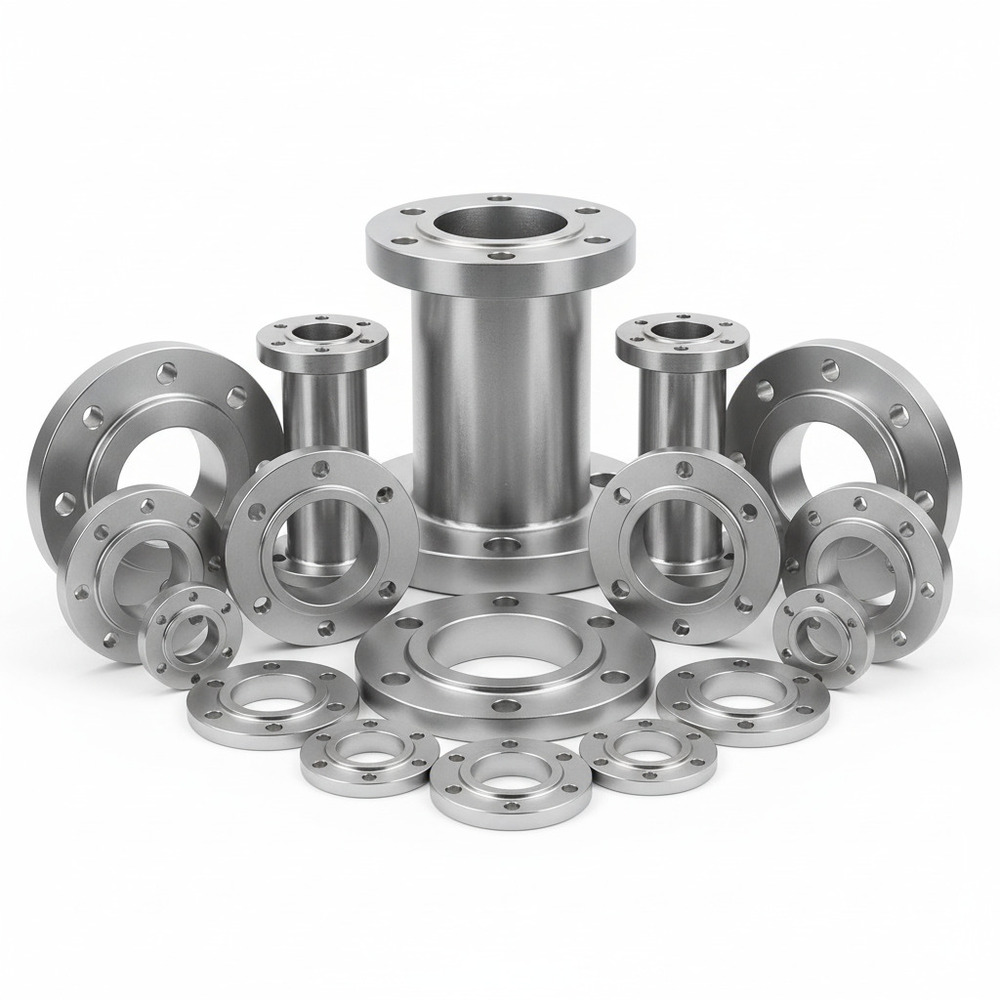
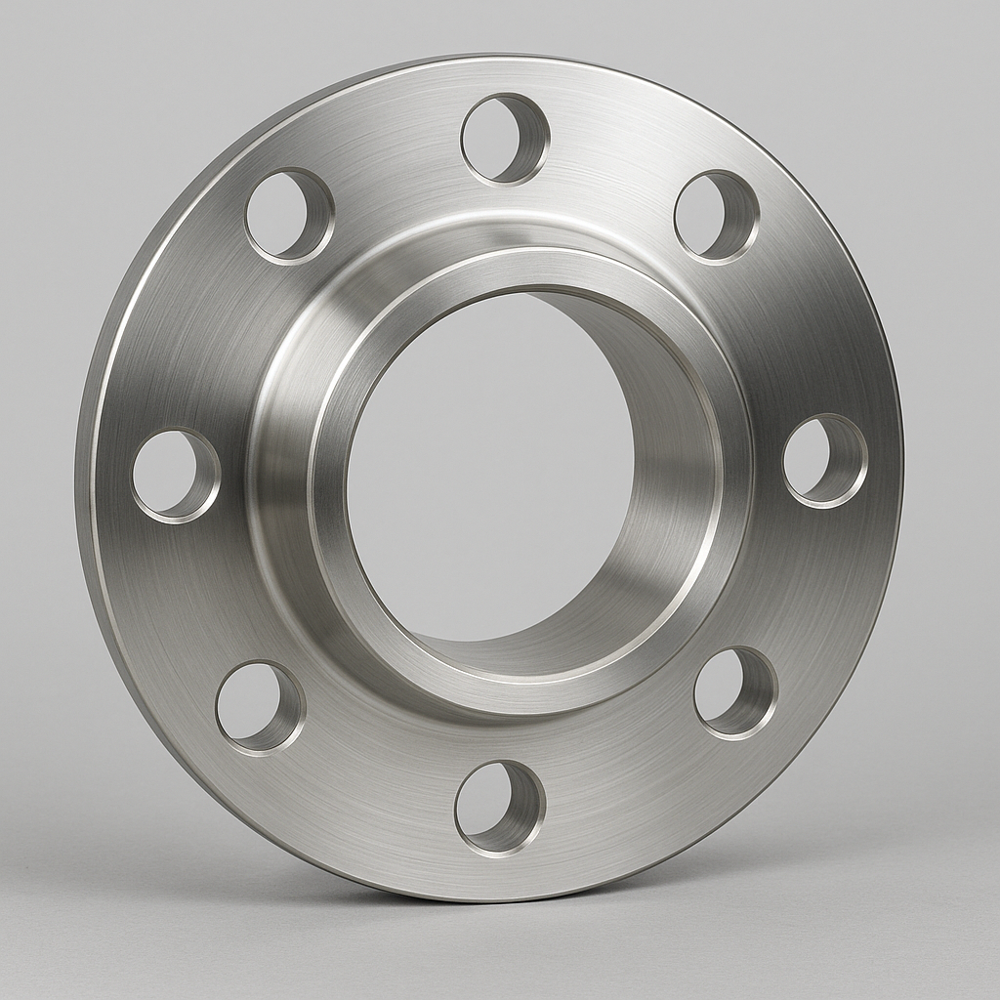
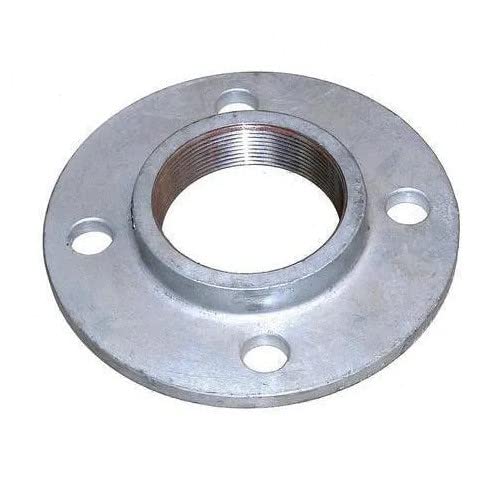
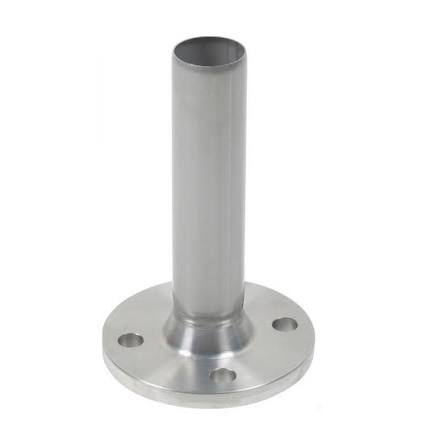
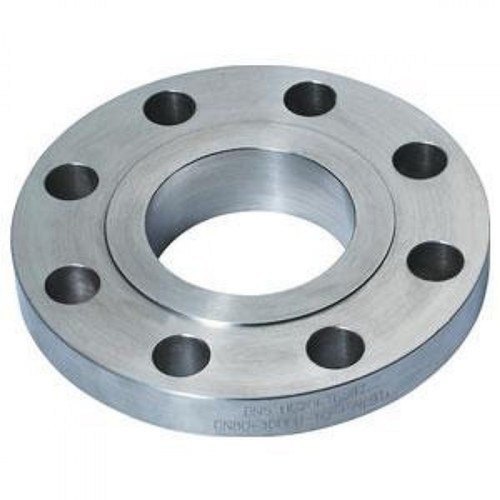
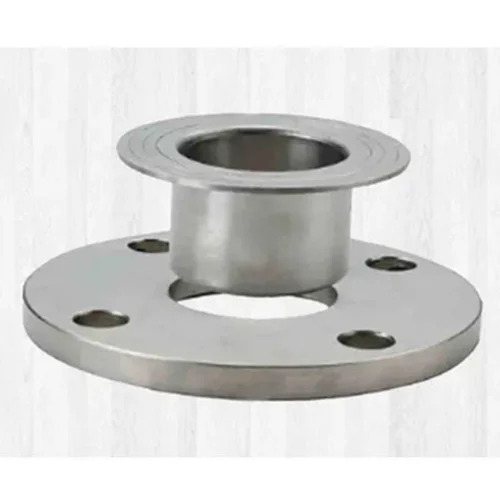
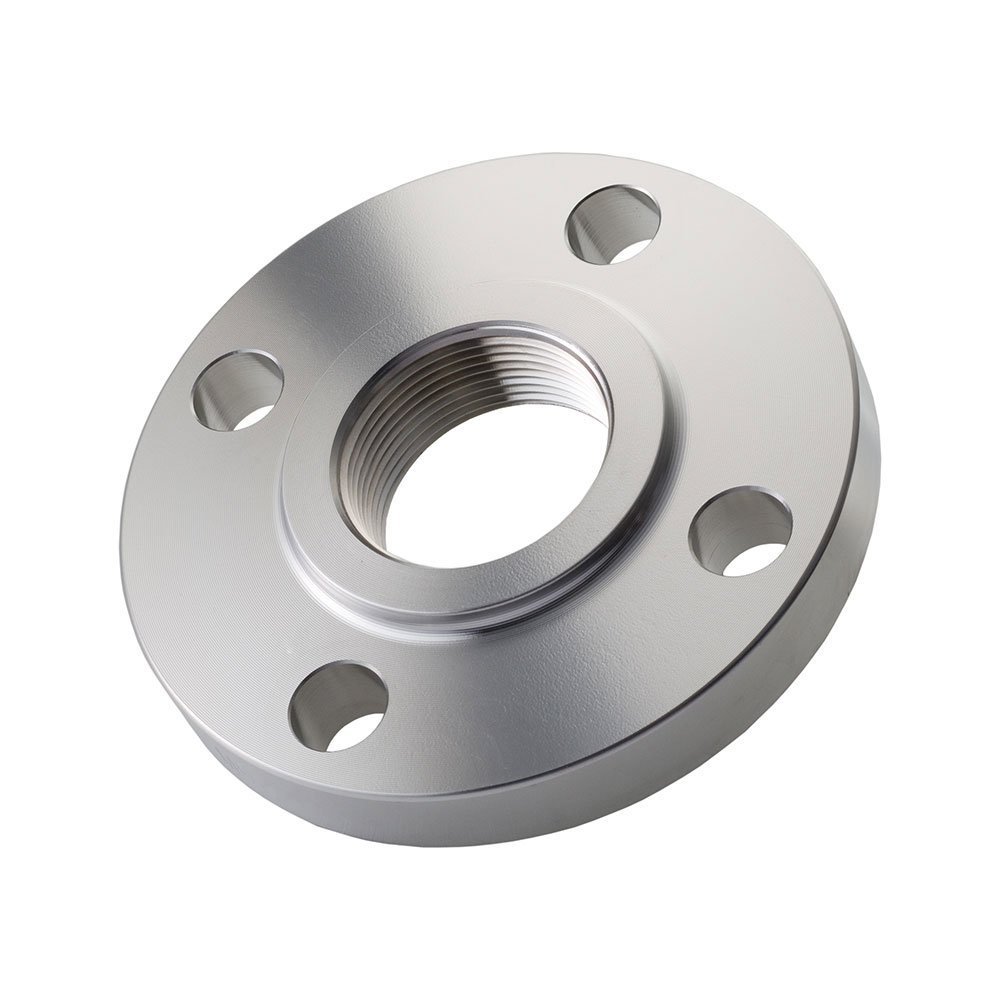
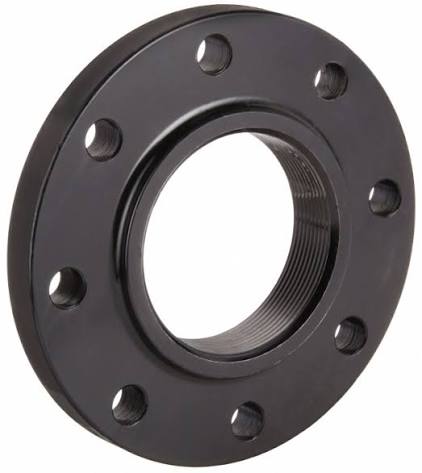
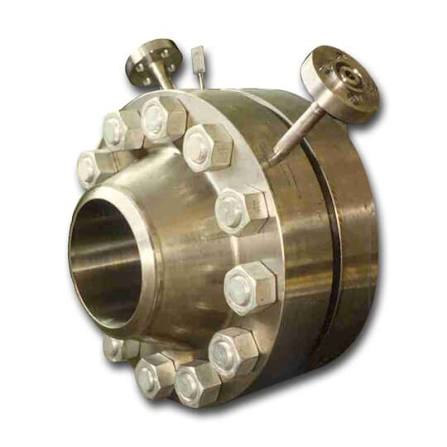
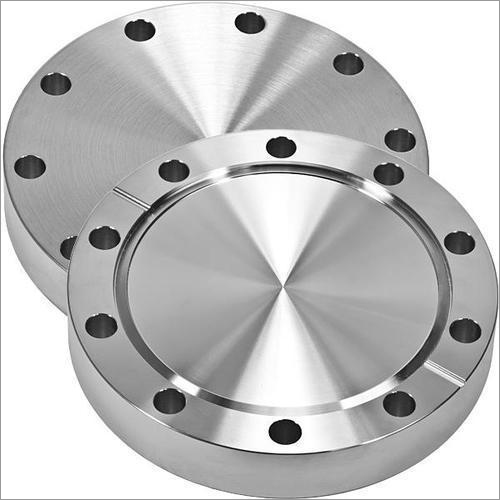
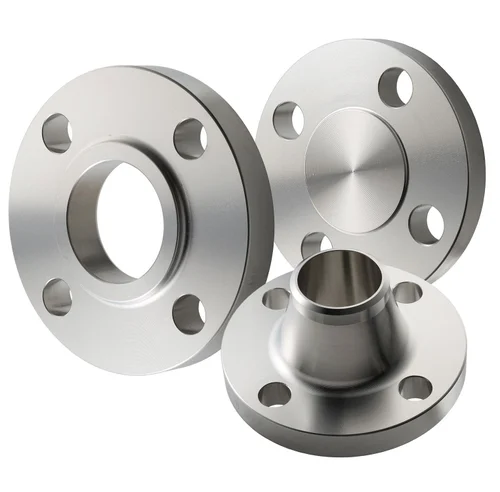
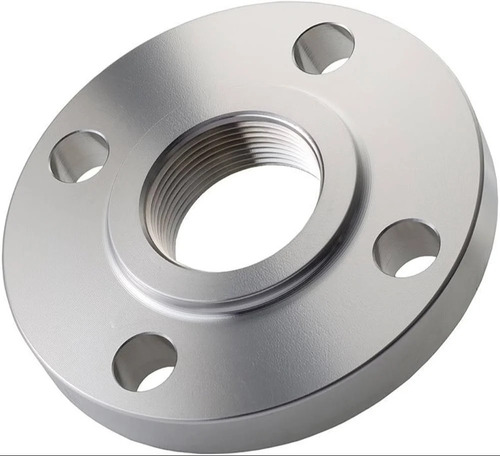
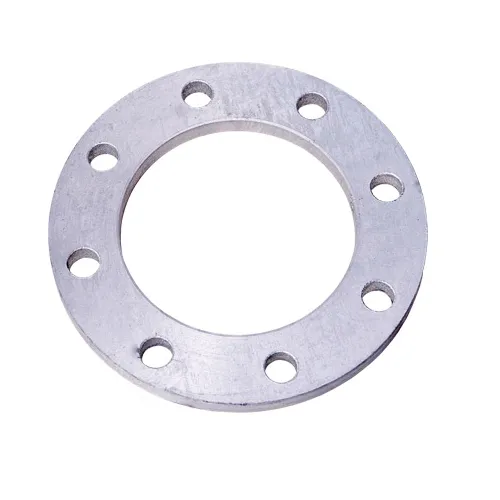
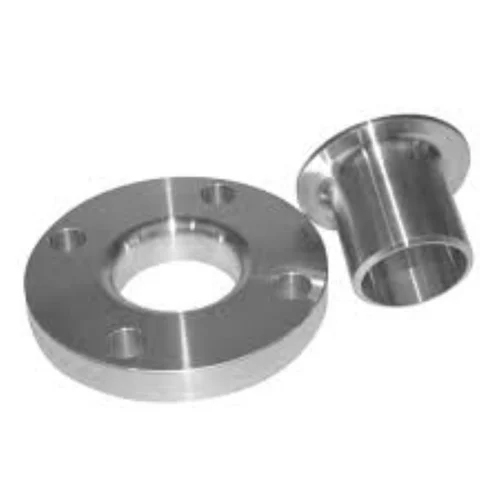
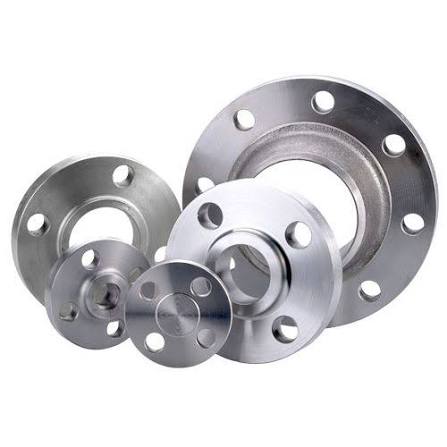
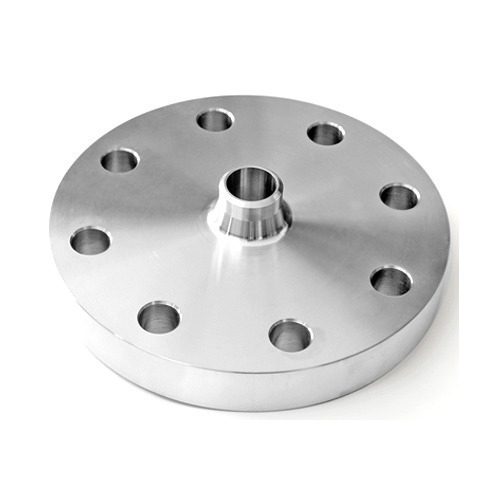
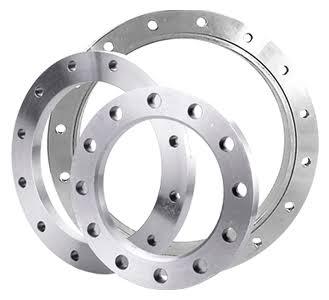
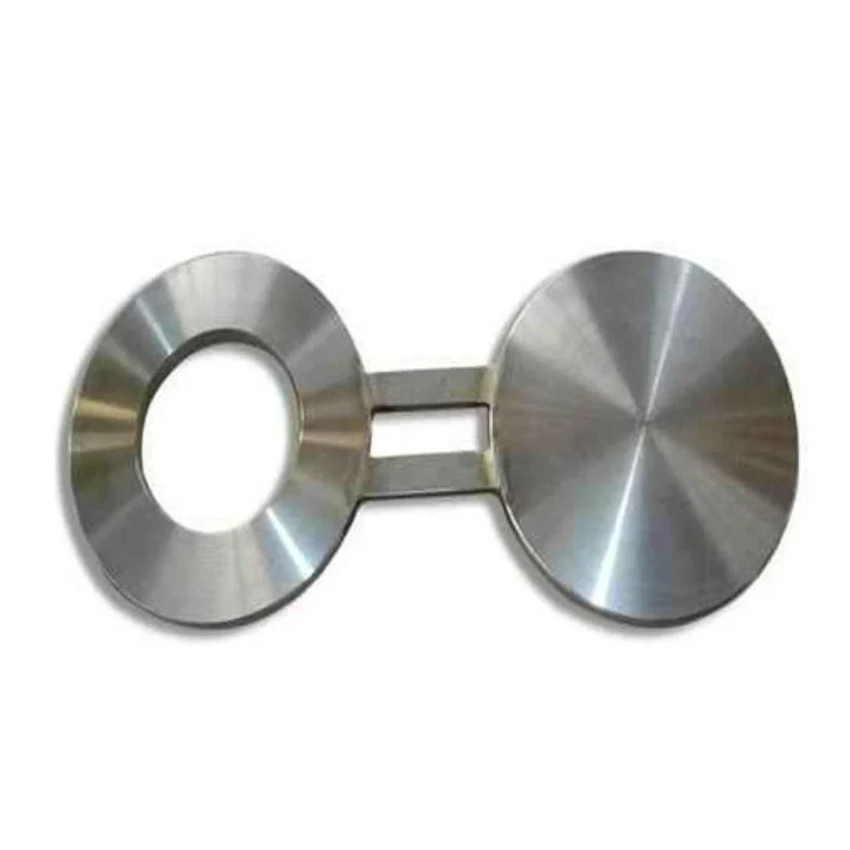
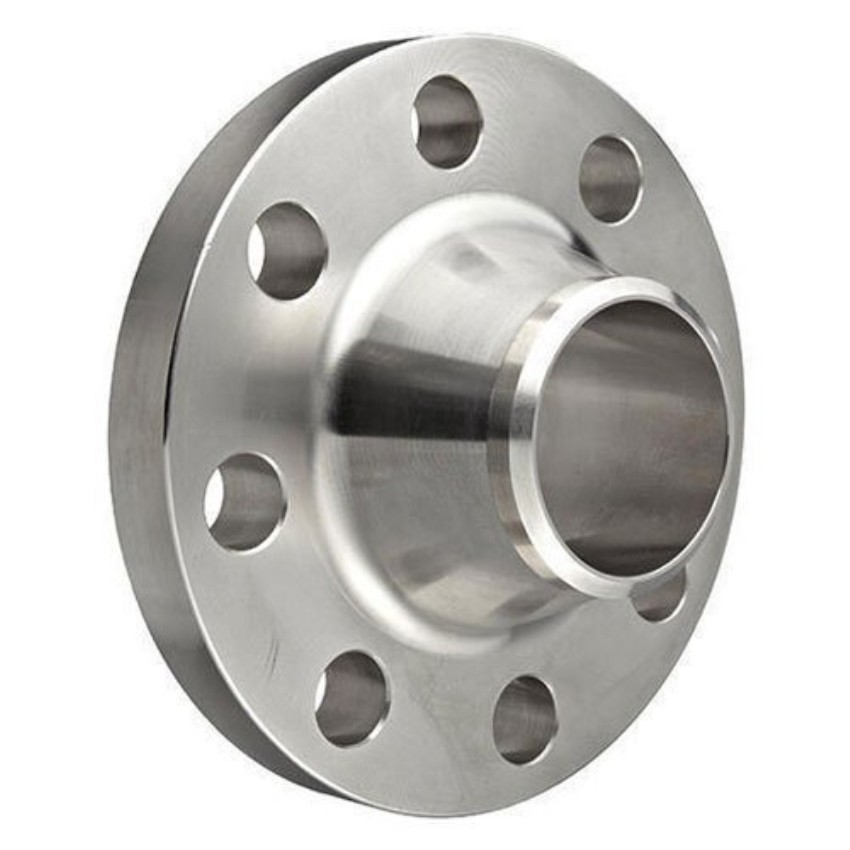
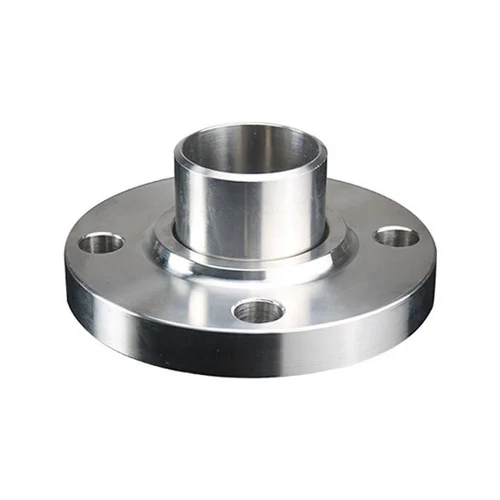
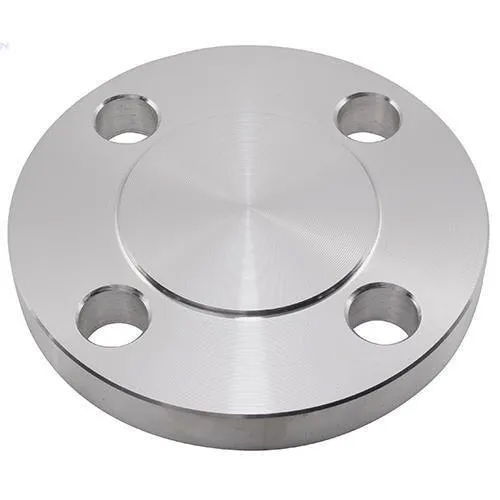
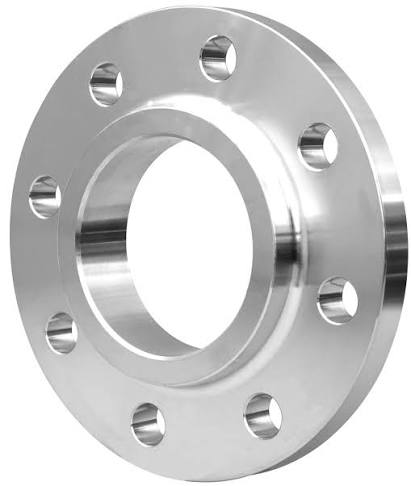
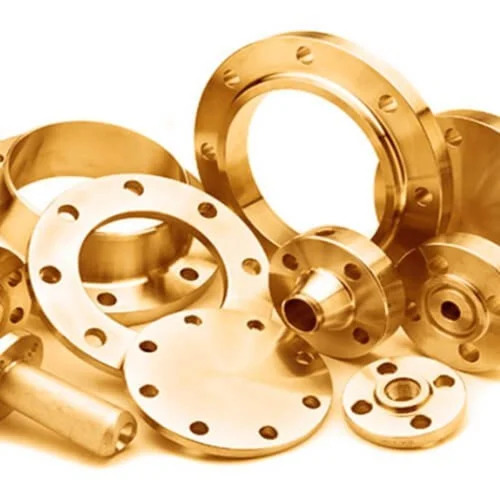
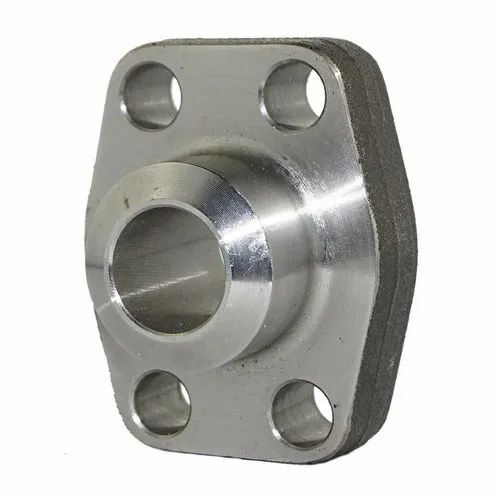
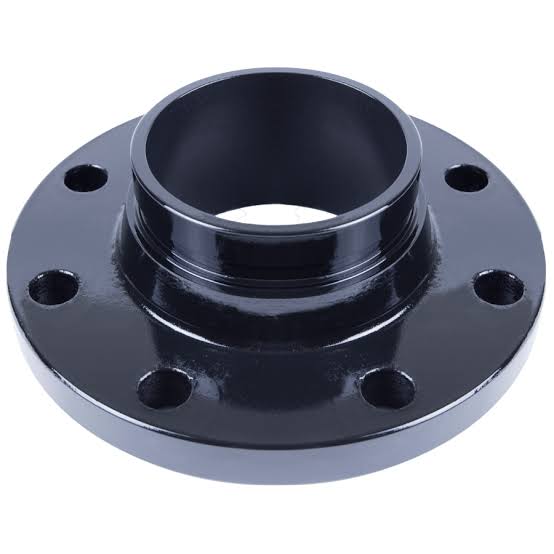
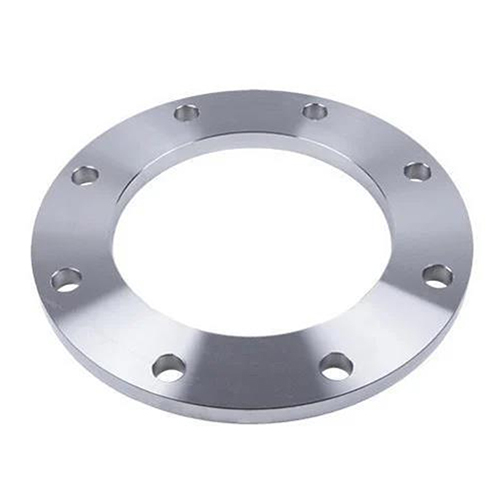
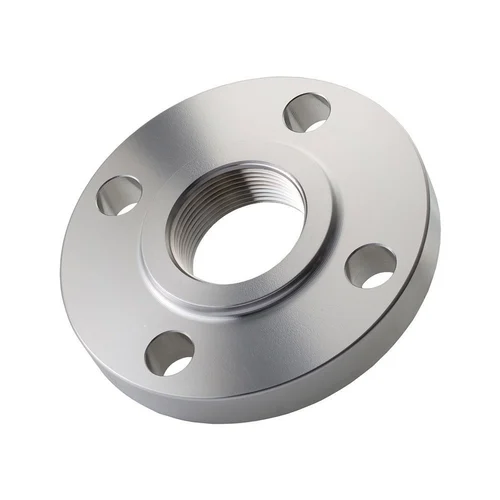
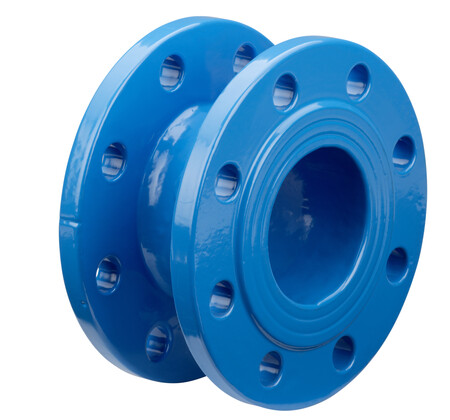
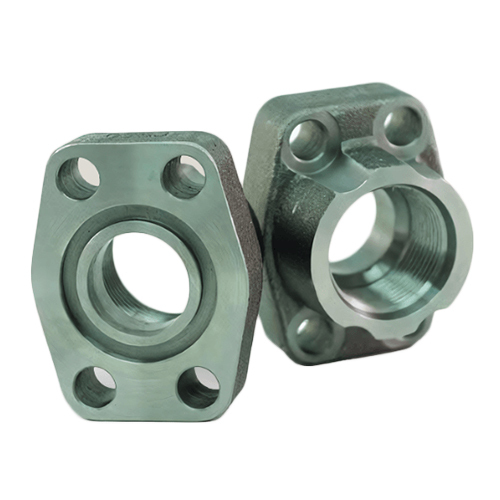
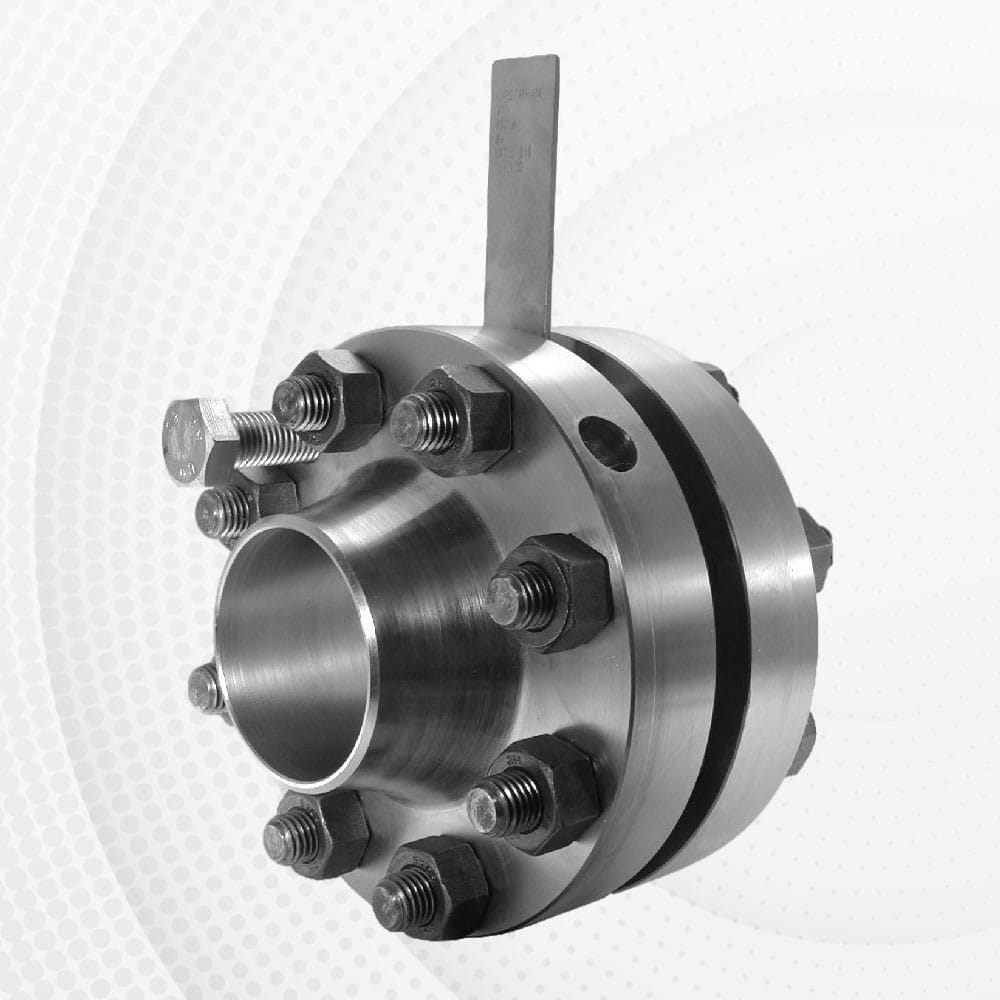
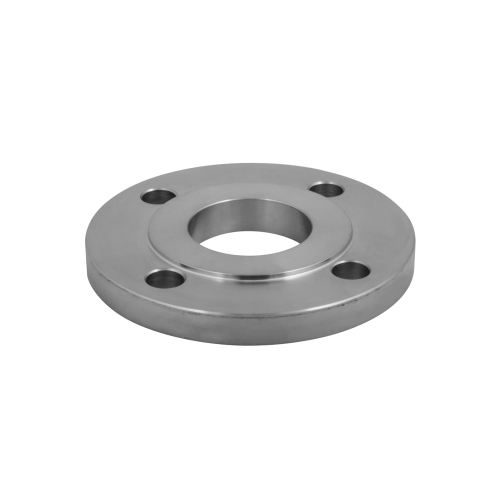
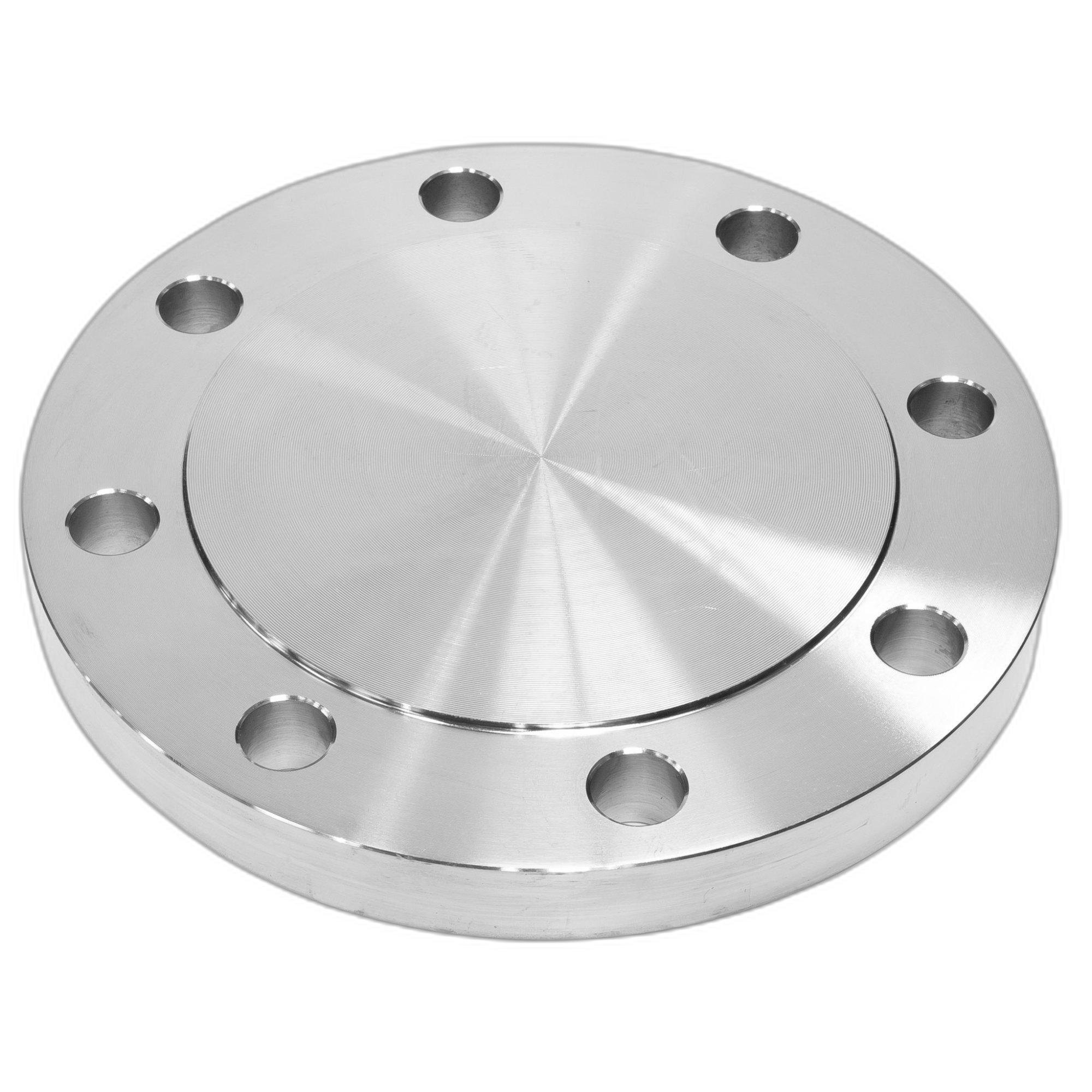
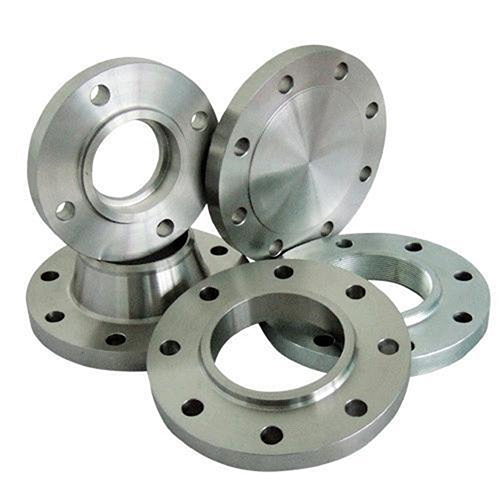
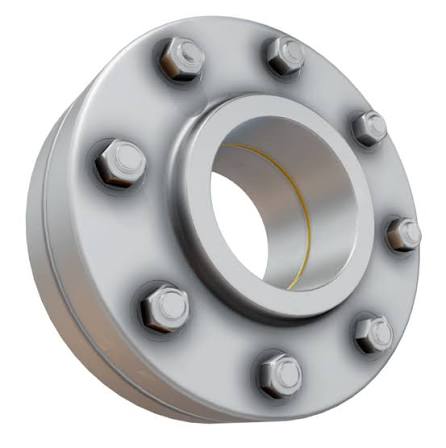
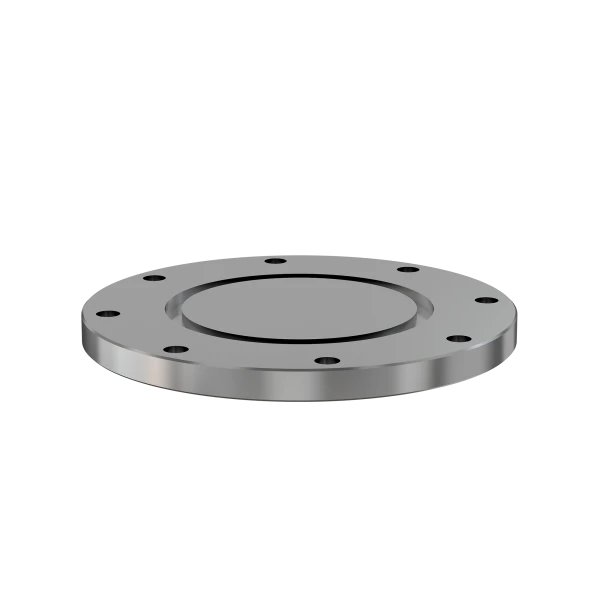
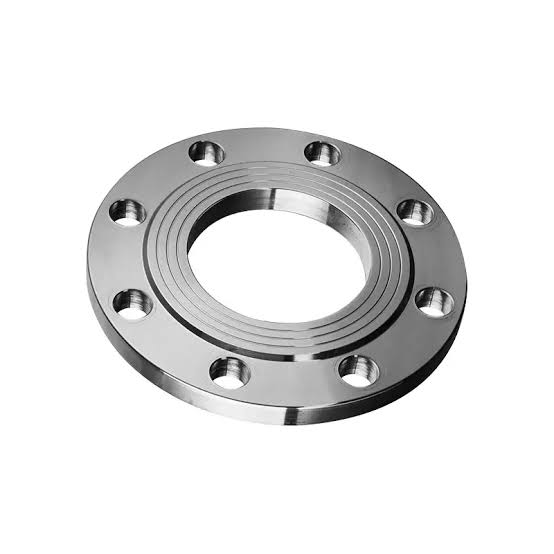
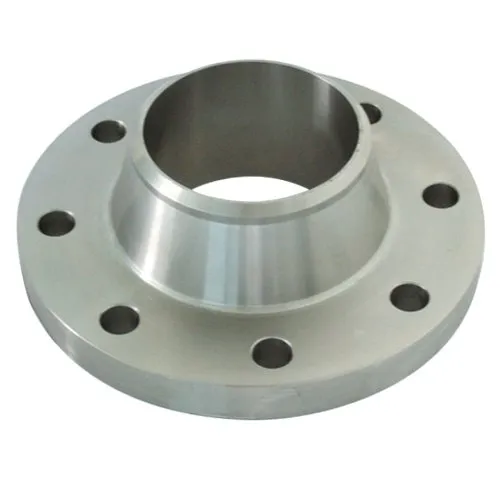
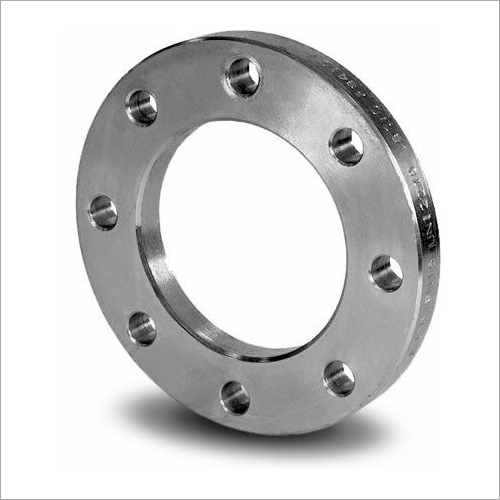
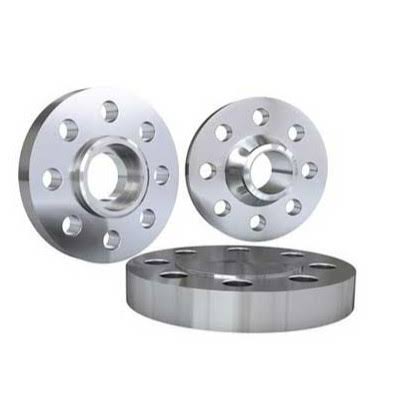
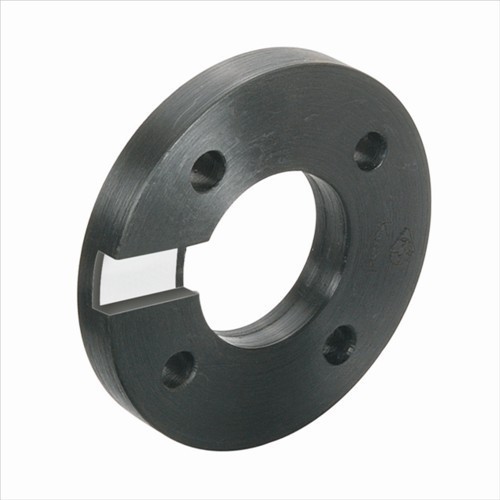
When designing high-volume chemical headers, volatile oil transmission lines, or critical high-temperature steam systems, establishing absolute joint integrity under grueling operational parameters is a non-negotiable safety directive. Serving as a premier manufacturing entity, we forge and precision-machine heavy-duty ASME Flanges engineered to maintain absolute fluid containment. The designation "ASME" represents the American Society of Mechanical Engineers, the standard body that governs the foundational global engineering codes (ASME B16.5 and ASME B16.47) for pressure-temperature ratings, dimensional metrics, and material compliance templates.
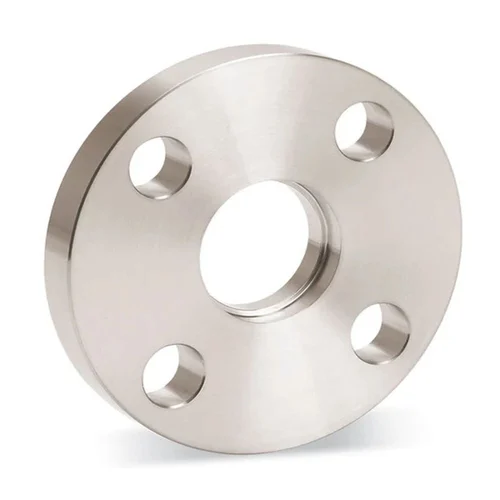
By producing high-yield ASME flanged joints from certified steel and alloy billets, our components deliver a seamless structural connection capable of handling intense hydraulic shear, violent pressure surges, and cyclic thermal stress. They completely eliminate the risks of localized warping, bolt-hole distortion, or premature joint tracking. They function as an essential structural safeguard against catastrophic line depressurization, protecting operations in oil and gas refineries, subsea oil exploration platforms, pharmaceutical processing loops, and nuclear utility systems.
Our heavy manufacturing facility in Mumbai leverages state-of-the-art technological infrastructure to transform raw, certified carbon steel, stainless steel, and alloy billets into high-performance ASME components. We operate computer-monitored hydraulic forging presses and closed-die hammers capable of executing high-yield tonnage configurations. The hot-working forging process physically re-aligns the internal micro-grain flow of the steel along the geometric contour of the flange ring and hub body. This continuous grain flow configuration provides significantly higher impact strength, shear tolerance, and fatigue resistance compared to standard plate-cut or cast alternatives.
Following the forging phase, all blanks undergo automated heat treatment—such as solution annealing for stainless steels, normalizing for carbon steel variants, or stress-relieving cycles—to fully eliminate internal thermal stresses and optimize structural homogeneity. Our precision machine shop features high-speed CNC turning centers, vertical boring mills, and automated multi-spindle drilling rigs. This setup allows us to execute precise bore dimensioning, weld bevel preparation (ASME B16.25), and imperial bolt-hole layout drilling with tolerances down to the micron level, ensuring complete compliance with global engineering specifications.
To satisfy the strict safety standards of high-pressure process industries, every production batch goes through comprehensive destructive and non-destructive testing (NDT) protocols. Our internal quality control laboratory is managed by certified NDT Level II and III professionals who perform 100% Positive Material Identification (PMI) using X-ray fluorescence (XRF) and optical emission spectrometers to guarantee chemical grade authenticity before any metal enters production.
We execute 100% volumetric ultrasonic testing (UT) and radiographic verification (RT) across high-pressure hubs and weld-neck configurations to confirm the components are entirely free from sub-surface micro-cracks, gas porosity, or internal volumetric voids that could fail under cyclic field stress. Surface integrity is further verified using liquid dye penetrant testing (LPT) and magnetic particle inspection (MPI). Mating surfaces are checked using digital profile gauges to verify exact compliance with international flatness metrics.
The industrial operational lifespan and pressure containment of a heavy-duty ASME flange are determined by its specific metallurgical composition and adherence to standardized pressure designations.
Industrial piping configurations rely on a precise ratio of alloying elements to withstand operational corrosion and thermal load variables:
The ASME B16.5 framework systematically categorizes flanged components into seven primary pressure classes based on structural integrity thresholds:
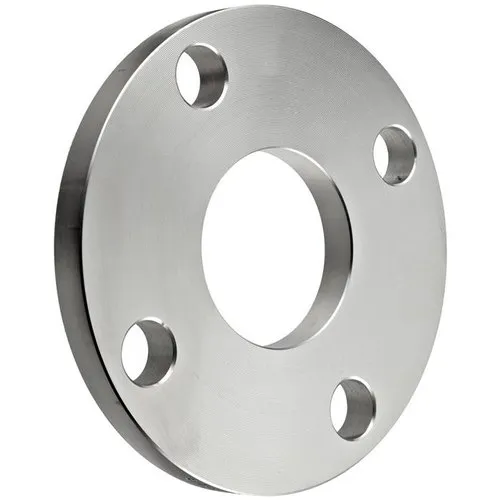
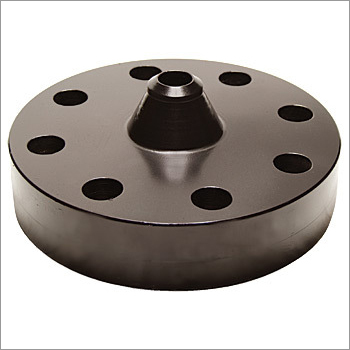
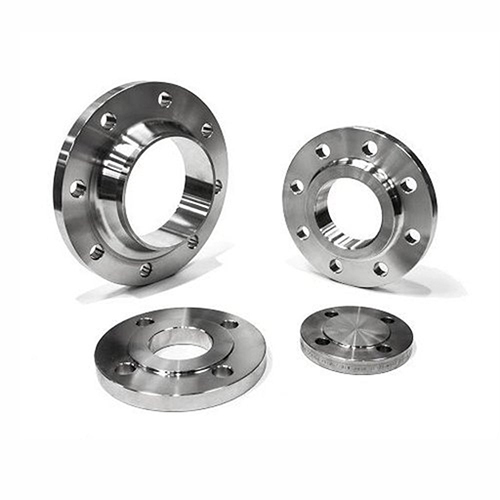
Depending on the system's velocity layout, installation parameters, and fluid containment demands, we manufacture a complete line of ASME matching body styles:
Our production engineering strictly follows global dimensional codes to ensure hassle-free integration with imperial industrial machinery and global piping infrastructure.
| Parameter | Specification Details |
|---|---|
| Design Standards | ASME B16.5 (1/2" to 24" nominal sizes), ASME B16.47 Series A & B (26" to 60" large diameter configurations), ASME B16.36 (Orifice Series) |
| Material Specifications | ASTM A105, ASTM A182, ASTM A350, ASTM A694, ASTM B564 (Nickel Alloys) |
| Pressure Classes | Class 150, 300, 400, 600, 900, 1500, 2500 LBS (Full Imperial Class Matrix) |
| Facing Types | Raised Face (RF with 125-250 AARH serrations), Flat Face (FF), Ring Type Joint (RTJ Groove) |
| Size Range | 1/2” NB up to 60” NB (Custom wall schedules like Sch 40, Sch 80, Sch XS, Sch XXS, Sch 160 available) |
| Testing Regimens | 100% PMI Spectrometry, Volumetric Ultrasonic Hub Check, CMM Dimensional Audit, LPT, Hydrostatic Testing |
For global engineering, procurement, and construction (EPC) firms managing large-scale industrial projects, handling thousands of pipeline connections is a complex logistical task. Partnering with a dedicated distribution channel in Mumbai gives you a distinct operational edge.
We provide volume-based commercial discounts, comprehensive material traceability certifications (MTC EN 10204 3.1/3.2), and durable, sea-worthy packaging designed to prevent edge dents, thread cross-threading, or seating face scratches during transport. Additionally, our sales engineers provide direct technical support to procurement teams, verifying imperial bolt patterns, matching pipe schedules, and wall-thickness compatibility to match project parameters perfectly.
Our focus on precision machining and zero-defect forging has earned strong international trust. Operating from the export hub of Mumbai, we regularly ship high-reliability imperial ASME flanges to chemical processing complexes in the Middle East, high-temperature power generation infrastructures in Europe, and water distribution networks across Southeast Asia.
Every export order passes through a strict final quality checkpoint, including full dimensional analysis, 100% PMI validation, and face flatness checks. We package shipments in heavy-duty, export-grade wooden cases equipped with moisture-resistant barriers and tailored face protectors. This ensures your components arrive at the project site ready for immediate installation.
| ASME Flanges – Technical Specifications | Details |
|---|---|
| Size Range | 1/2" to 60" (Nominal Bore Size Spectrum) |
| Pressure Designation | 150#, 300#, 400#, 600#, 900#, 1500#, 2500# LBS |
| Type Configurations | Weld Neck, Slip-On, Socket Weld, Blind, Lap Joint, Threaded, Reducing, Orifice, Spectacle Blind |
| Face Design Options | Raised Face (Serrated RF), Flat Face (FF), Ring Type Joint (RTJ Groove), Tongue & Groove |
| Manufacturing Process | 100% Forged / Heat Treated & Precision CNC Imperial Bored & Drilled |
| Testing Protocols | Hydrostatic Pressure, PMI, Hardness, CMM Dimensional check, Liquid Penetrant |
| Certification Scope | EN 10204 3.1 / 3.2 Mill Test Certificate, Compliance with NACE MR0175 / ISO 15156 Sour Service |
Find the Best Quality Industrial Solutions and Workspace Furniture at Factory Prices.