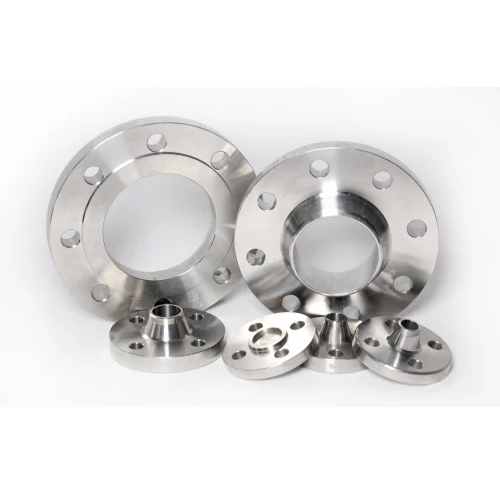
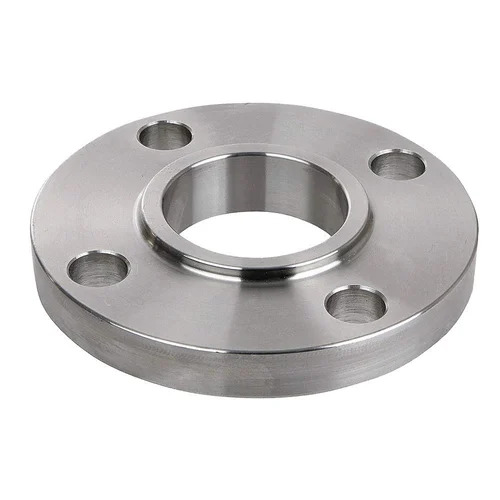
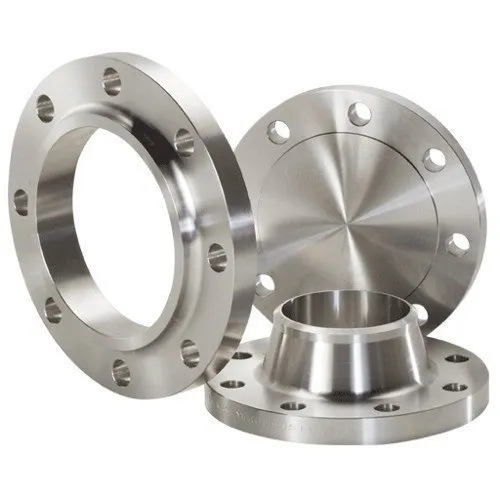
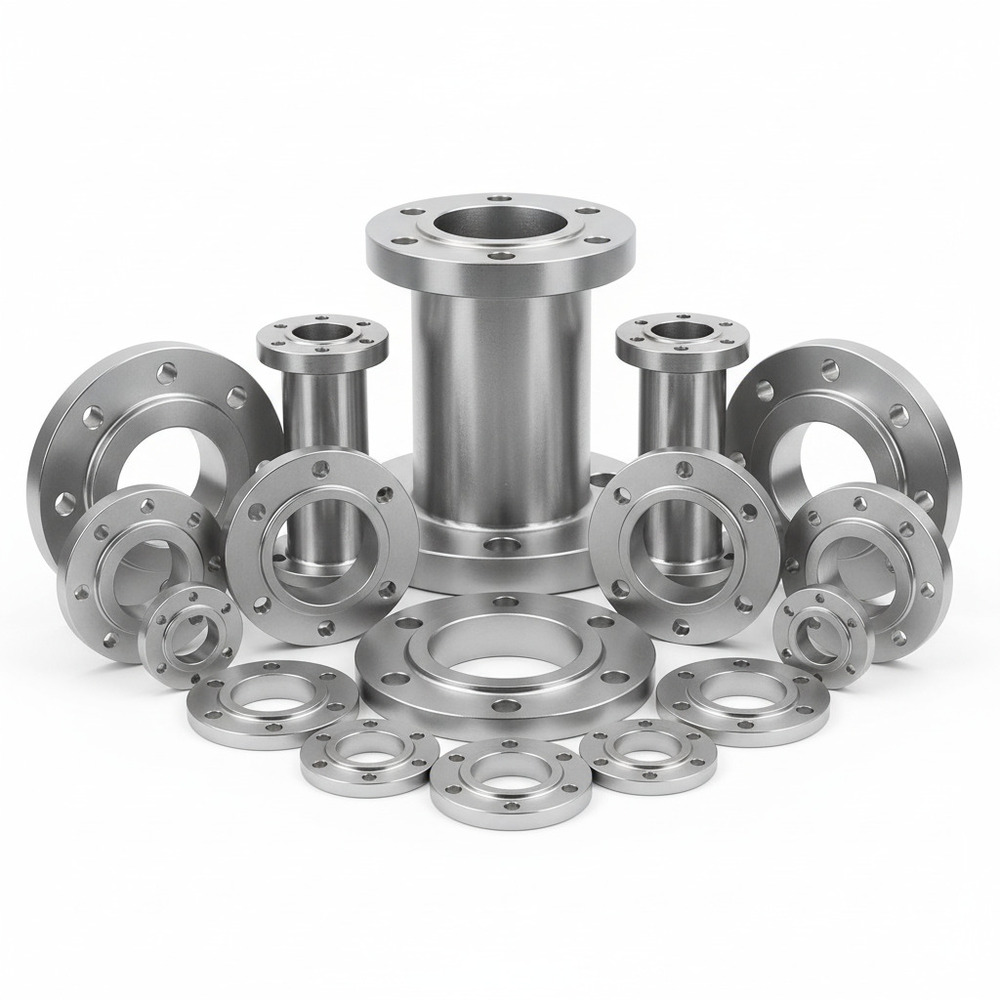
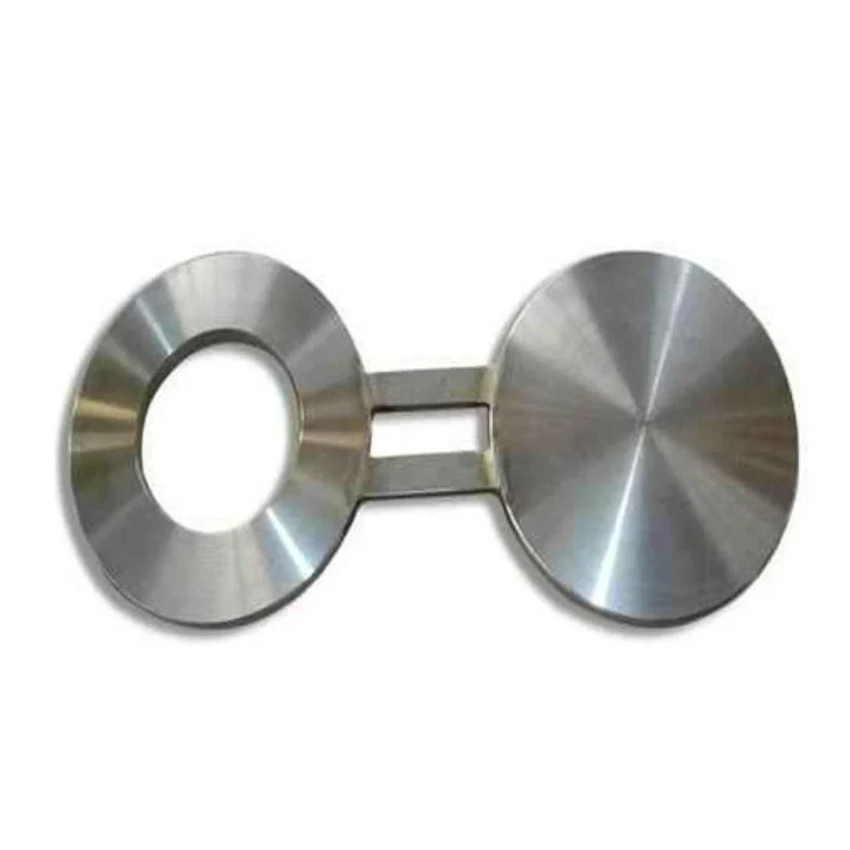
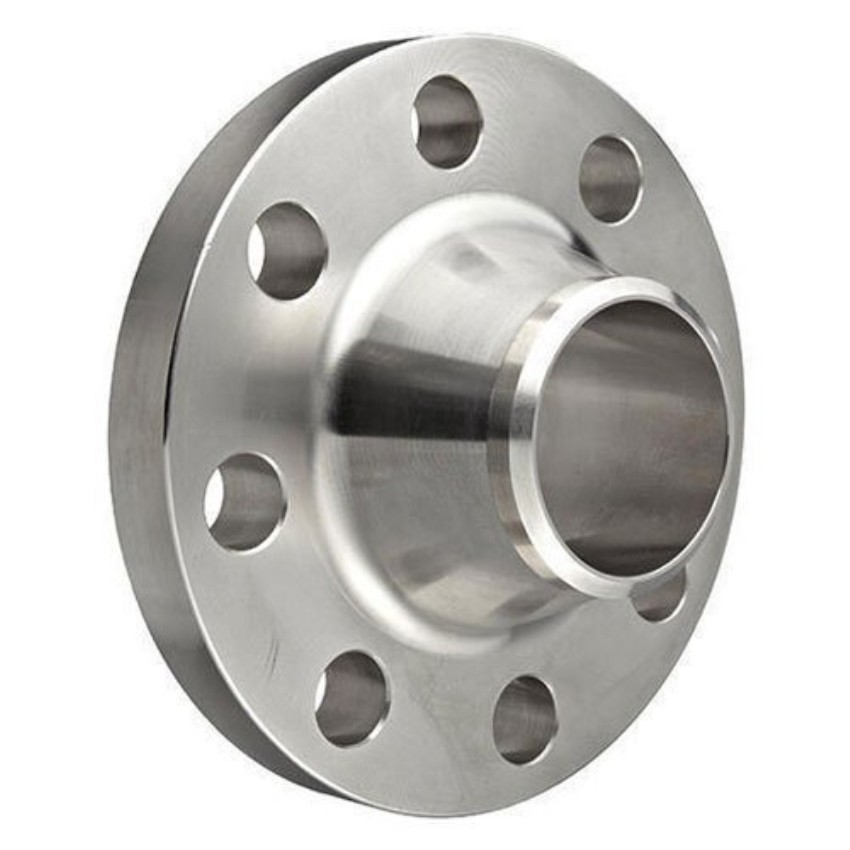
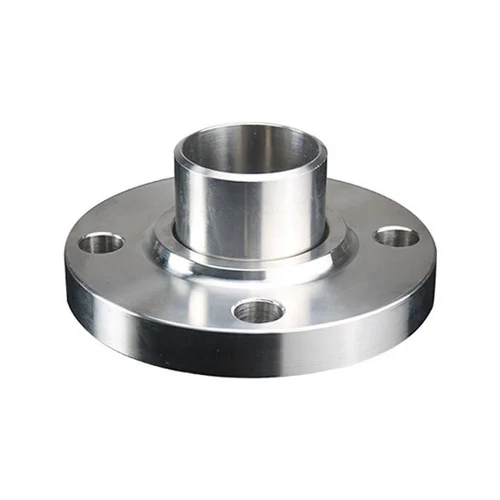
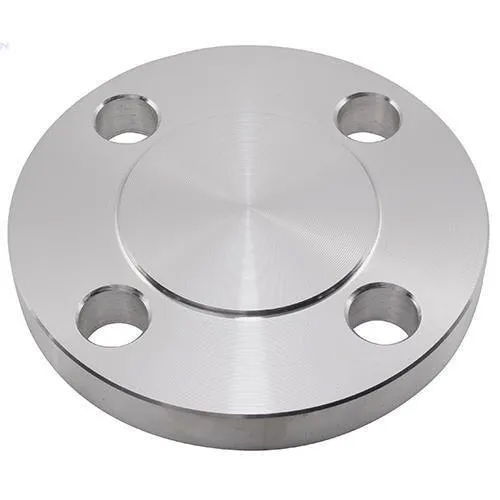
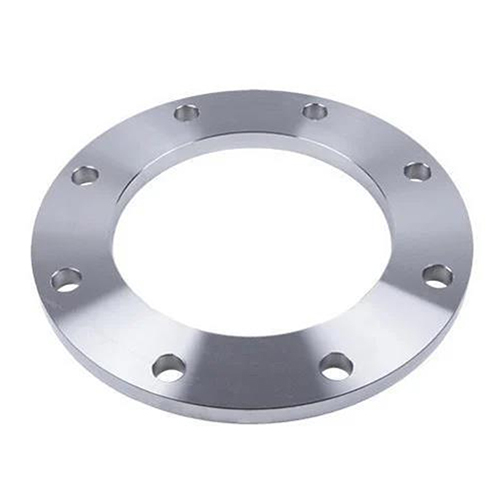
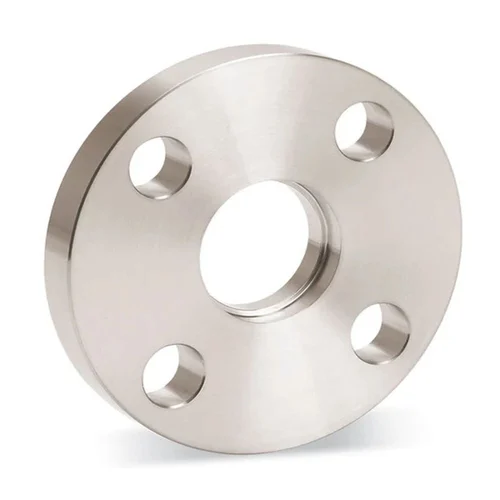
Stainless Steel Lap Joint Flanges Supplier in Mumbai
The Metallurgy and Surface Finish Engineering
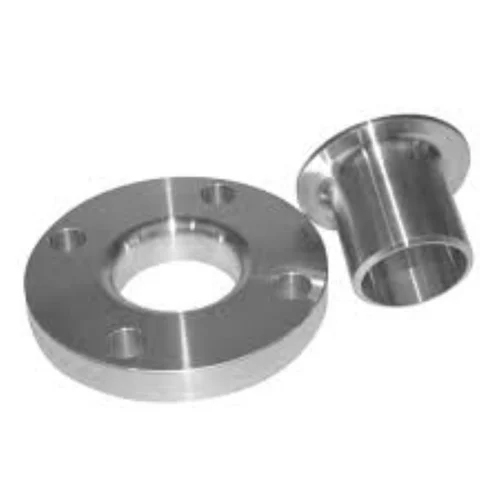
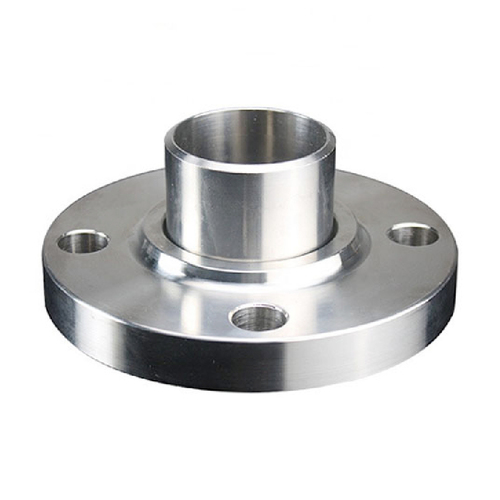
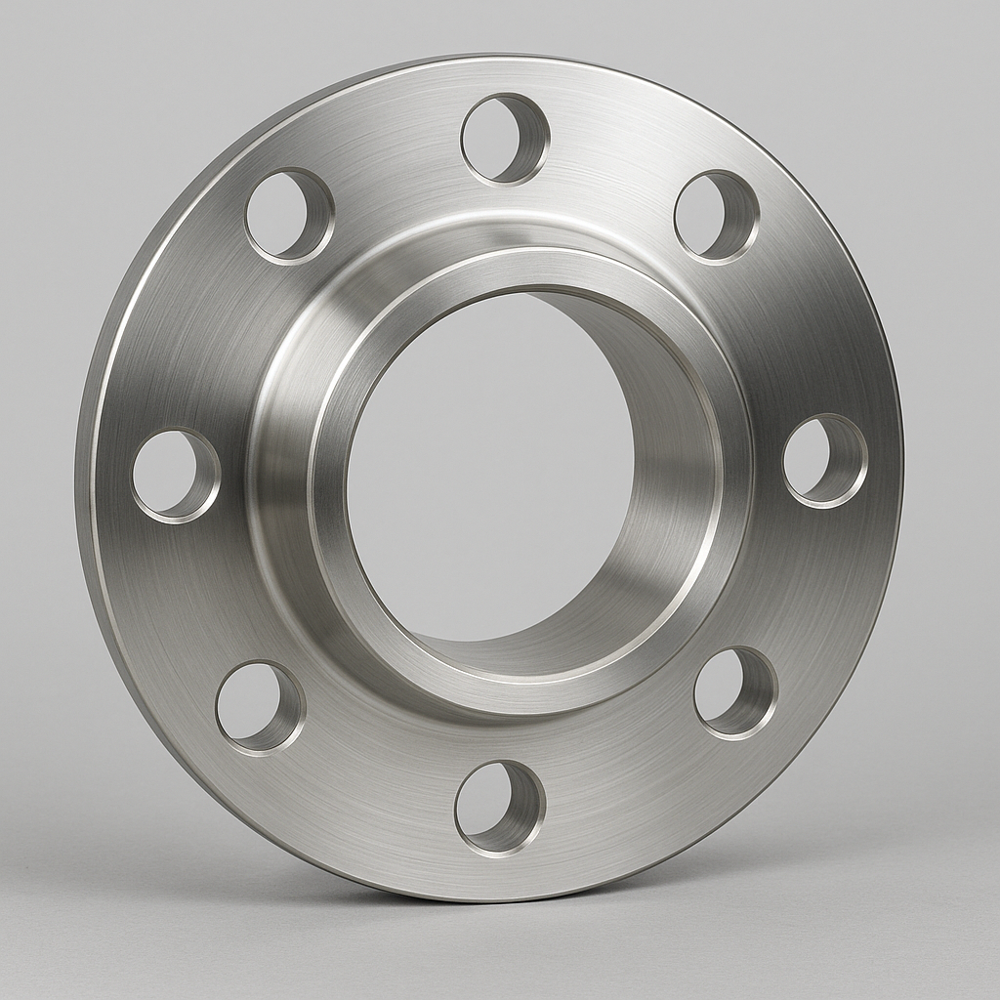
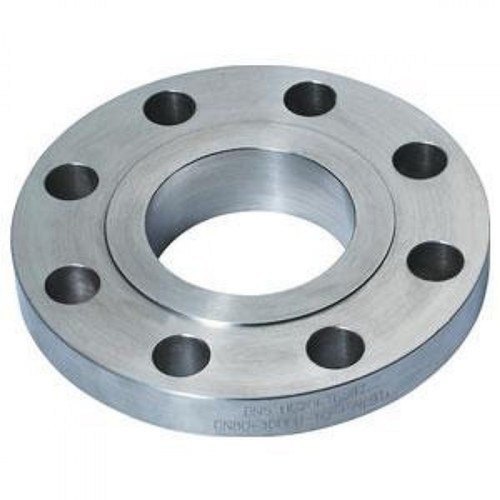
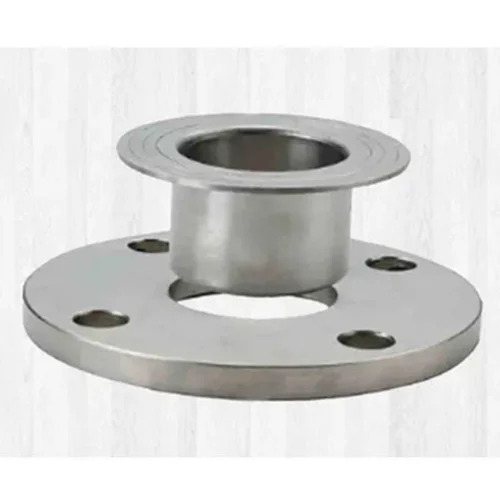
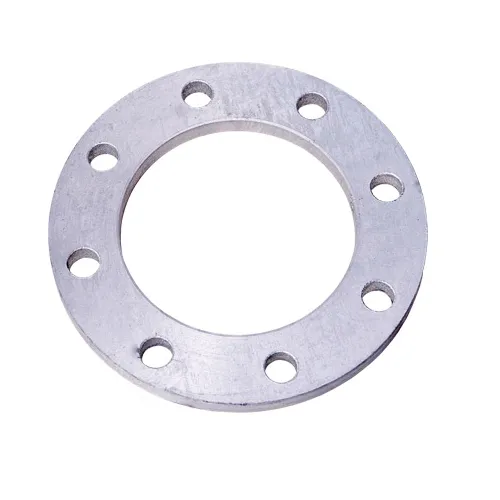
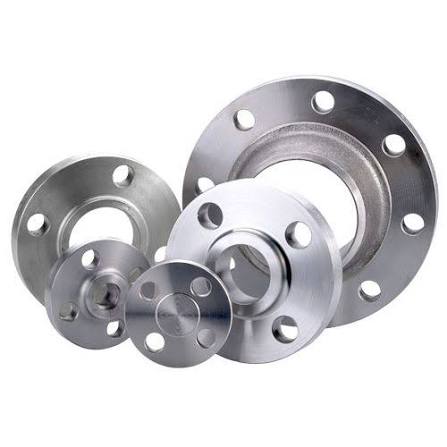
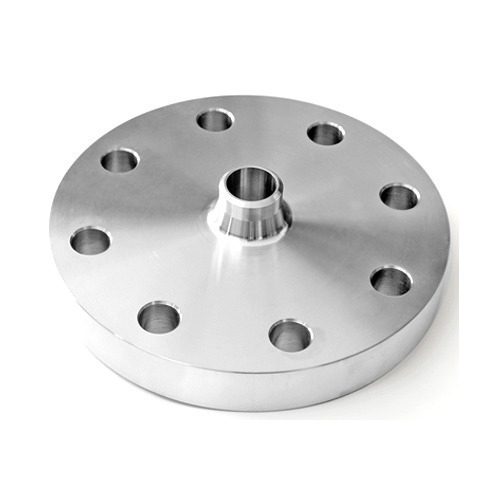
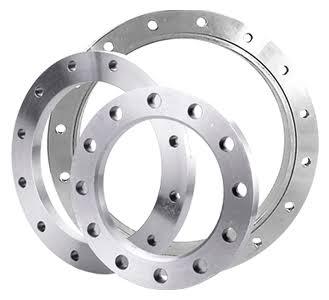
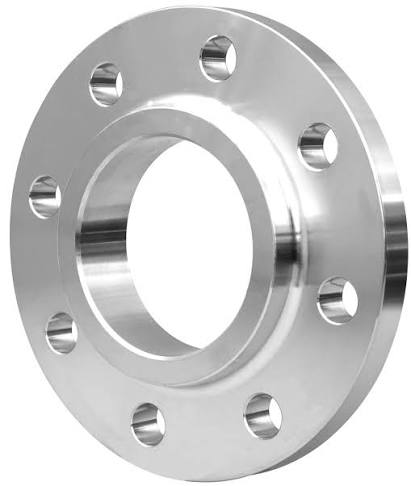
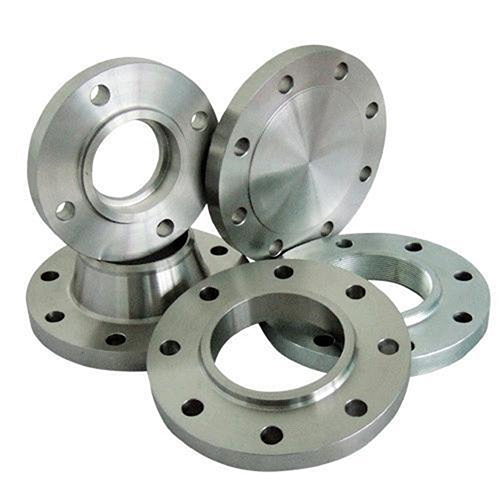
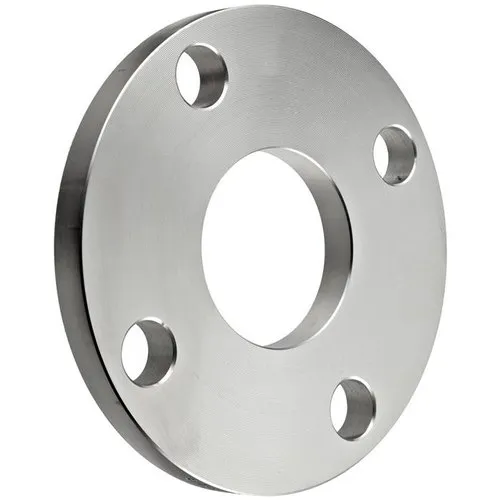
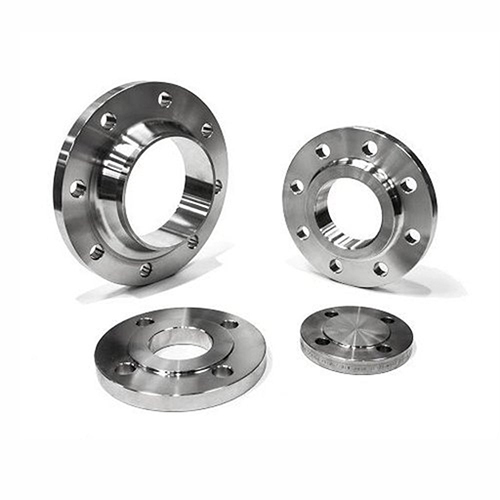
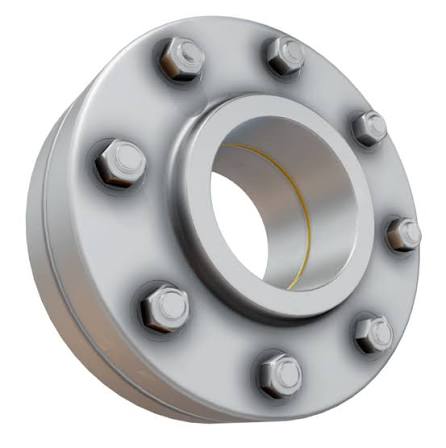
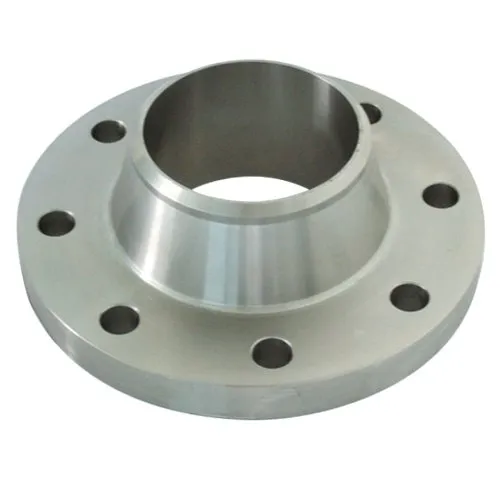
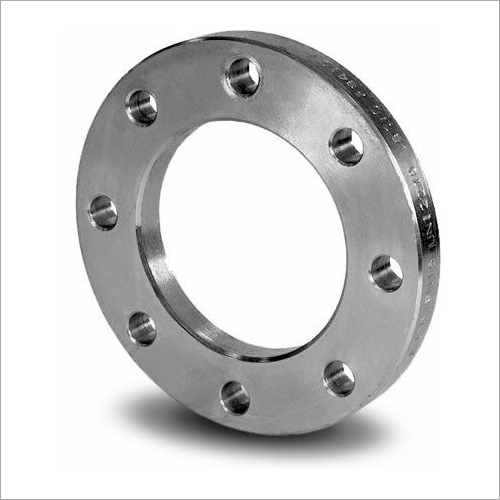
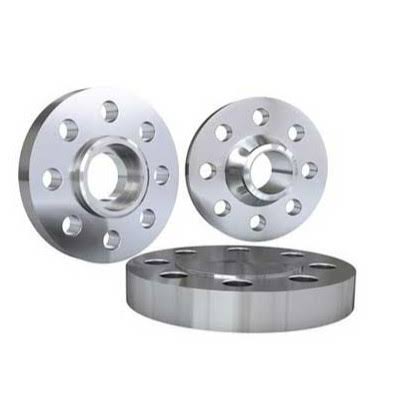
The industrial operational lifespan of a heavy-duty stainless steel lap joint flange assembly is determined by its specific metallurgical composition and the precision of its sealing face machining.
Cost-Optimized Dual Metallurgy Engineering
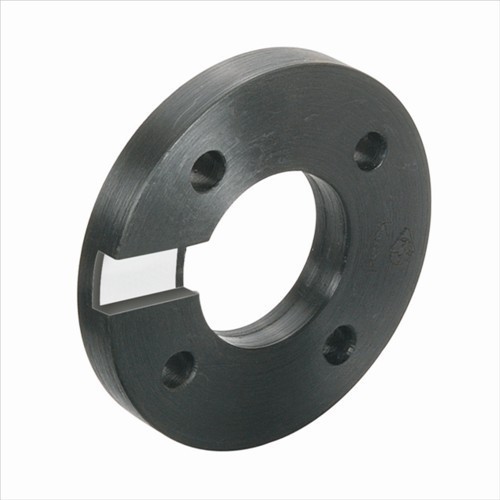
The primary advantage of a lap joint configuration is the opportunity for material cost optimization. Because only the stub end comes into direct contact with the internal process fluid, it can be machined from premium, corrosion-resistant materials such as Austenitic Stainless Steel (304/304L, 316/316L), Duplex Steel, or Nickel Alloys. The loose backing flange, which is completely isolated from the fluid, can be manufactured from cost-effective Carbon Steel (ASTM A105) or structural low-carbon steel. This setup provides total corrosion defense along the process stream while drastically reducing structural material expenditures on large-diameter systems.
Precision Machining and Gasket Seating
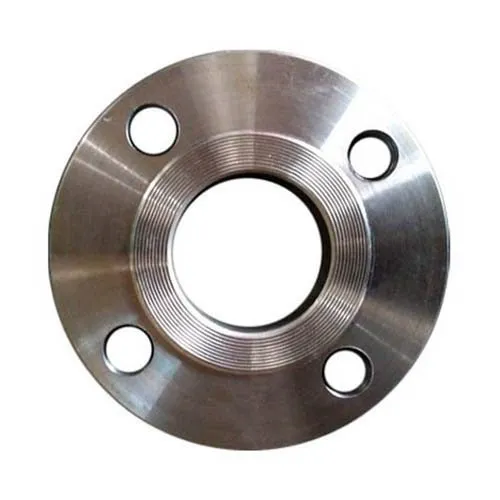
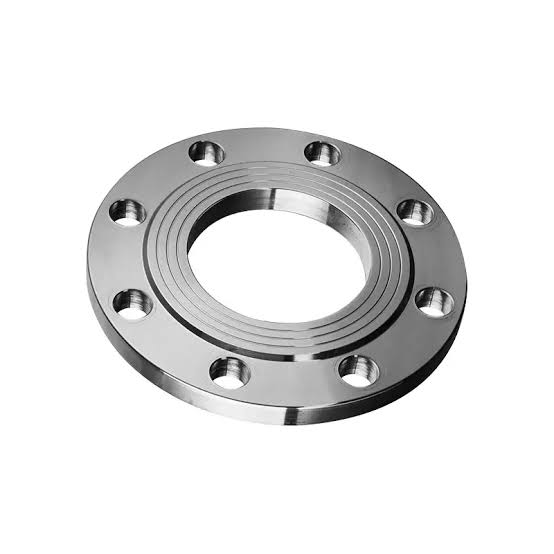
Equally critical is the dimensional machining of the sealing face located directly on the stub end component. When tightening a flanged connection, the mating surfaces must compress the gasket with complete uniformity. Our specialized CNC turning centers machine precise phonographic or concentric serrations into the Raised Face (RF) or Flat Face (FF) profiles of the stub ends, maintaining a strict 125–250 micro-inch AARH (Arithmetic Average Roughness Height) surface finish. This targeted roughness forces the gasket material to cold-flow directly into the micro-grooves, creating an impenetrable, leak-proof barrier capable of containing Class 150# to Class 1500# process streams.
Primary Operational Advantages and System Applications
Depending on the system's velocity, structural fatigue, and maintenance frequency, lap joint flanges offer distinct design benefits:
- Flawless Bolt-Hole Alignment: The loose backing ring rotates independently, allowing field operators to match bolt patterns easily without twisting the main pipeline.
- Significant Procurement Savings: Reduces overall expenditure on high-alloy systems by allowing the backing components to be made from carbon steel.
- Simplified Component Reusability: During maintenance, the non-wetted carbon steel backing flange can often be unbolted and reused even if the wetted stub end requires replacement.
- Ideal for Low-Stress Zones: Excellent for systems subject to rapid structural alignment needs, though typically restricted in systems facing extreme cyclic thermal expansion.
Dimensional and Material Specifications
Our production engineering strictly follows global dimensional codes to ensure hassle-free integration with global piping infrastructure.
| Parameter |
Specification Details |
| Design Standards |
ASME B16.5, ASME B16.47, DIN, EN 1092-1, BS 4504, JIS B2220 |
| Stub End Types |
Type A (For standard lap joint flanges), Type B (For slip-on backing options), Long/Short Pattern |
| Backing Ring Materials |
ASTM A105, Carbon Steel, Structural Low Carbon Steel, Epoxy Coated or Galvanized Steel, ASTM A182 F304/L, F316/L |
| Stub End Materials |
ASTM A182 F304/304L, F316/316L, F321, F347, Duplex F51/F60, Hastelloy, Monel, Inconel Alloys |
| Pressure Classes |
Class 150, 300, 600, 900, 1500 / PN6 to PN160 |
| Facing Types |
Flat Face (FF) or Raised Face (RF) on the Stub End contact zone |
| Size Range |
1/2” NB to 48” NB (Custom large-diameter and heavy-wall configurations available) |
Driving B2B Procurement via an Authorized Flanges Dealer in Mumbai
For global engineering, procurement, and construction (EPC) firms managing large-scale industrial projects, handling thousands of pipeline connections is a complex logistical task. Partnering with a dedicated distribution channel in Mumbai gives you a distinct operational edge.
We provide volume-based commercial discounts, comprehensive material traceability certifications (MTC EN 10204 3.1/3.2), and durable, sea-worthy packaging designed to prevent edge dents or mating radius distortion during transport. Additionally, our sales engineers provide direct technical support to procurement teams, verifying stub-end schedules, pressure-temperature ratings, and backing ring compatibility to match project isometric data perfectly.
Stainless Steel Lap Joint Flanges Exporter in Mumbai
Fulfilling Global Contracts as a Top Flanges Exporter from Mumbai
Our focus on precision machining and zero-defect forging has earned strong international trust. Operating from the export hub of Mumbai, we regularly ship high-reliability stainless steel lap joint flanges to wastewater treatment plants in the Middle East, aggressive chemical manufacturing installations in Europe, and dredging operation manifolds across Southeast Asia.
Every export order passes through a strict final quality checkpoint, including full dimensional analysis, stub-radius verification, and 100% PMI validation. We package shipments in heavy-duty, export-grade wooden cases equipped with moisture-resistant barriers and tailored face protectors. This ensures your components arrive at the project site ready for immediate installation.
Technical Specifications Summary
| Stainless Steel Lap Joint Flanges – Technical Specifications |
Details |
| Size Range |
1/2" to 48" (DN 15 to DN 1200) |
| Pressure Class |
150 / 300 / 600 / 900 / 1500 LBS, PN 6 to PN 160 |
| Assembly Structure |
Loose Backing Ring + Tapered Welded Stub End (Lap Joint Stub End) |
| Face Type |
Smooth / Serrated Raised Face on Stub End |
| Manufacturing Process |
Hot Forged / Precision Machined & Matched Tolerances |
| Testing Protocols |
Hydrostatic, PMI, Back-Radius Radiographic check, Hardness, Ultrasonic, Liquid Penetrant |
| Certification |
EN 10204 3.1 / 3.2 Mill Test Certificate, Dual Material Grade Traceability Provided |