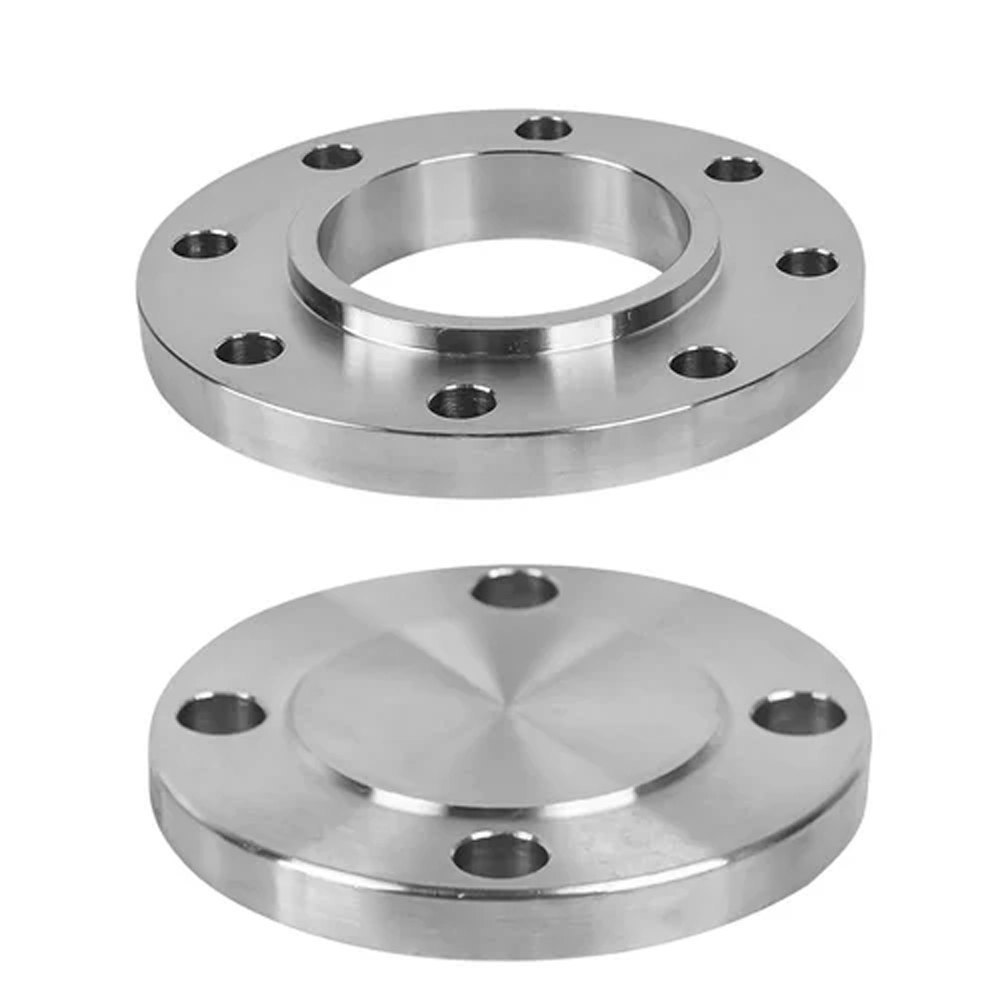
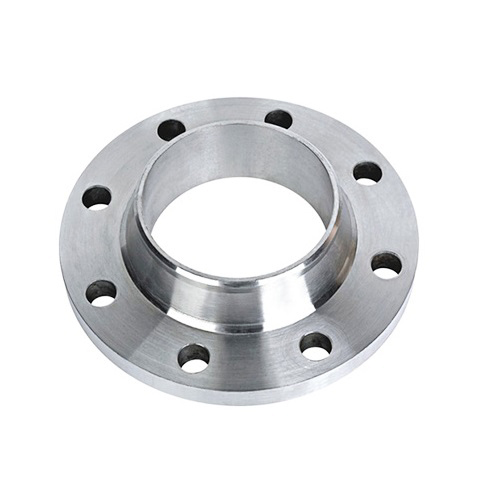
Cast Iron Flanges Supplier in Mumbai
The Metallurgy and Flat Seating Face Engineering
The operational lifespan and field sealing safety of a cast iron flange depend entirely on its specific metallurgical classification and the profile of its machined face configuration.
Chemical Classification and Microstructural Adaptability
Industrial piping infrastructure requires specific cast iron formulations to match environmental and pressure parameters:
- Gray Cast Iron (ASTM A126 Class A / B / C): The traditional baseline standard for low-pressure civil infrastructure and commercial plumbing. Class B gray iron delivers a dense, high-graphite structure with outstanding machinability and excellent natural resistance to atmospheric corrosion.
- Ductile Iron / Nodular Iron (ASTM A536): An advanced formulation modified with magnesium additions. This turns brittle graphite flakes into spheroidal nodules, dramatically increasing tensile yield strength and structural ductility, allowing these flanges to manage higher-impulse lines safely.
Flat Face Profile and Low-Torque Gasket Seating
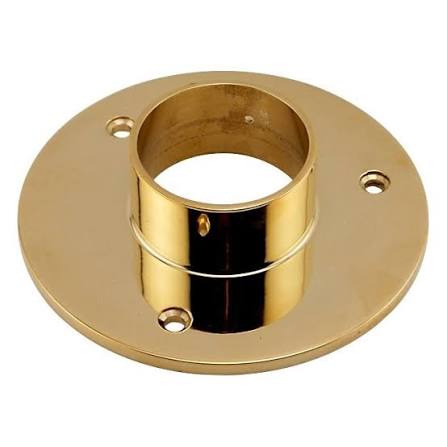
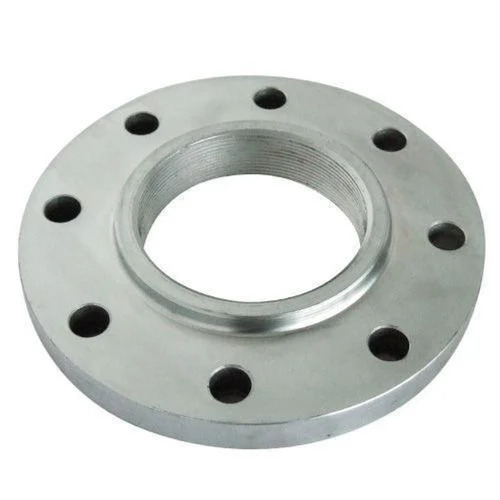
A critical engineering rule dictates that cast iron flanges are almost universally machined with a **Flat Face (FF)** profile. They should never be bolted directly to a standard steel Raised Face (RF) flange. When tightening an RF-to-FF joint, the raised face creates a mechanical fulcrum outside the bolt circle, inducing high bending stress that can easily crack the cast iron rim. Our specialized CNC turning centers machine a smooth flat face with precise concentric grooving, designed to compress full-face elastomeric or non-asbestos gaskets with absolute uniformity under lower, safe bolting torques.
Primary Cast Iron Flange Joint Configurations
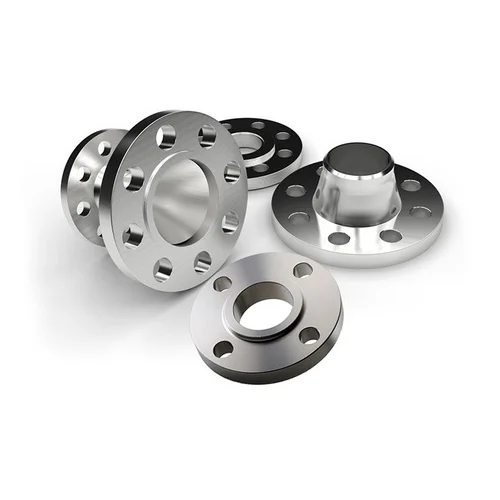
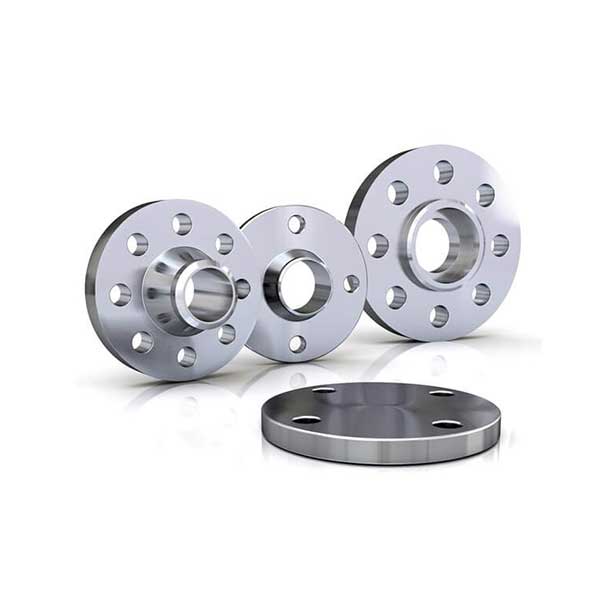
Depending on the pipeline geometry, line size, and assembly preferences, we supply cast iron components across several distinct body configurations:
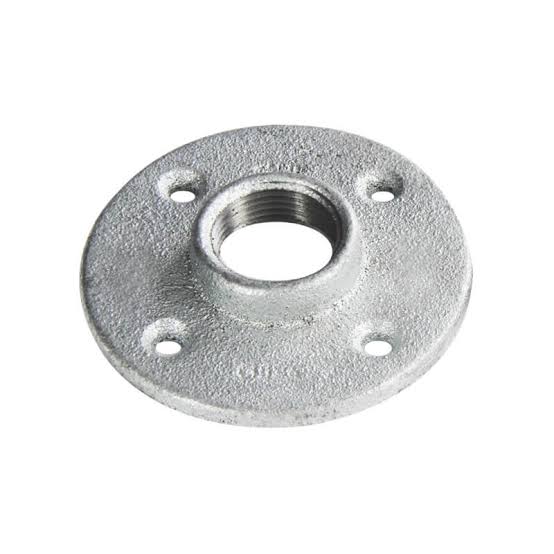
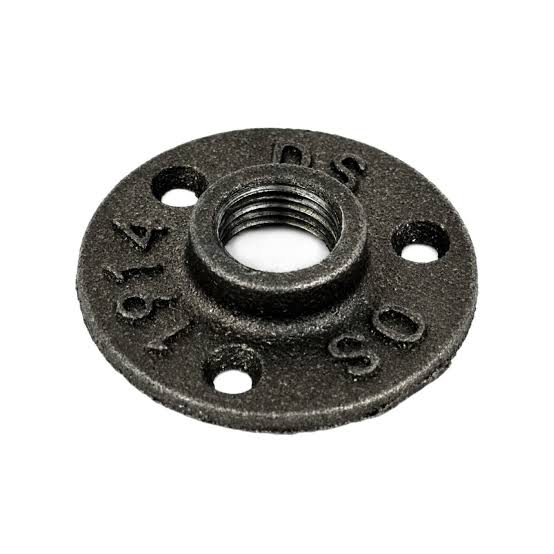
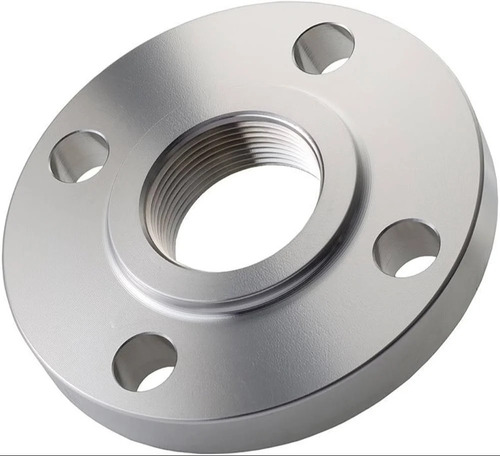
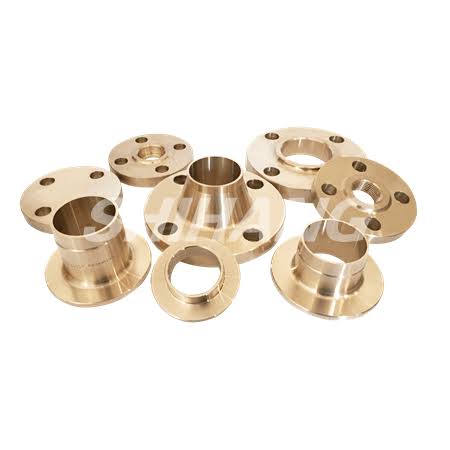
- Cast Iron Companion Flanges (Threaded): Featuring internally machined tapered female threads (NPT or BSPT) within the center bore, allowing for quick, thread-on tool-free connection directly onto threaded iron or steel pipes.
- Blind Flanges (Form Type 05 / FF): Solid flat discs with no center bore used to permanently seal specialized inspection openings or terminate a pipeline path under full ambient fluid loads.
- Reducing Cast Iron Flanges: Engineered with standard outer dimensions to match large-diameter equipment, but with a scaled-down internal bore size to execute quick, space-saving line transitions.
Dimensional and Material Specifications
Our production engineering strictly follows global dimensional codes to ensure hassle-free integration with imperial and metric industrial infrastructure.
| Parameter |
Specification Details |
| Design Standards |
ASME B16.1 (Cast Iron Pipe Flanges Classes 25, 125, and 250), AWWA C110, EN 1092-2, DIN 2531 / 2532 |
| Material Specifications |
ASTM A126 (Gray Iron Class A/B/C), ASTM A536 (Ductile Iron Grades 65-45-12 / 80-55-06) |
| Pressure Classes |
Class 125 LBS (Standard utility), Class 250 LBS (Heavy duty) / Metric PN6, PN10, PN16 Series |
| Facing Design Profile |
Flat Face (FF) standard with smooth or precision concentric machined finish |
| Size Range Spectrum |
1" NB up to 48" NB (Full standard civil and waterworks nominal diameter coverage) |
| Surface Coating Options |
Black Anti-Rust Paint Coating, Clear Varnish, Primed Base, Hot-Dip Galvanized per ASTM A153 |
Driving B2B Procurement via an Authorized Flanges Dealer in Mumbai
For engineering contractors, municipal procurement boards, and commercial HVAC utility builders, handling volume fluid transmission components is a complex task. Partnering with a dedicated distribution channel in Mumbai gives you a distinct operational edge.
We provide volume-based commercial discounts, comprehensive Material Test Reports (MTR) confirming chemical and tensile compliance, and durable packaging designed to prevent rim chipping or edge cracking during transit. Additionally, our sales engineers provide direct technical support to procurement teams, verifying bolt-circle dimensions, pressure class ratings, and flange thicknesses to match your equipment isometrics perfectly.
Cast Iron Flanges Exporter in Mumbai
Fulfilling Global Contracts as a Top Flanges Exporter from Mumbai
Our focus on precision casting control and strict dimensional machining has earned strong international trust. Operating from the export hub of Mumbai, we regularly ship high-reliability cast iron and ductile iron flanges to municipal waterworks projects in the Middle East, commercial heating infrastructures in Europe, and wastewater treatment complexes across Southeast Asia.
Every export order passes through a final quality checkpoint, including full dimensional analysis, face flatness checks, and hydrostatic testing. We package shipments in heavy-duty, export-grade wooden cases and palletized crates equipped with protective internal formatting and moisture-resistant vapor barriers. This ensures your components arrive at the project site ready for immediate installation.
Technical Specifications Summary
| Cast Iron Flanges – Technical Specifications |
Details |
| Size Range Spectrum |
1" to 48" (DN 25 to DN 1200 Nominal Bore Matrix) |
| Pressure Class Range |
Class 125 LBS, Class 250 LBS, Metric PN 6, PN 10, PN 16 Bar ratings |
| Type Configurations |
Threaded Companion Flange, Solid Blind, Reducing Flange, Slip-Over Ring Plate |
| Face Mating Style |
Flat Face (FF) with 125-250 AARH smooth/concentric serrations |
| Manufacturing Process |
Automated Foundered Sand Casting & Precision CNC Face Turning & Drilling |
| Testing Protocols |
100% Hydrostatic Pressure, Chemical Batch Check, Brinell Hardness, CMM Face Flatness, LPT |
| Surface Protection |
Industrial Black Gloss Anti-Rust Lacquer, Red Primer, Hot-Dip Zinc Galvanized |