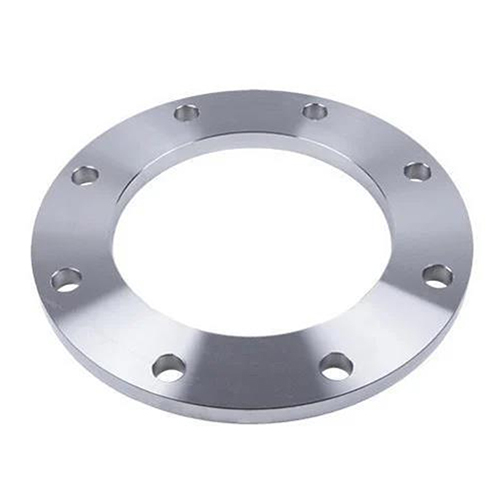
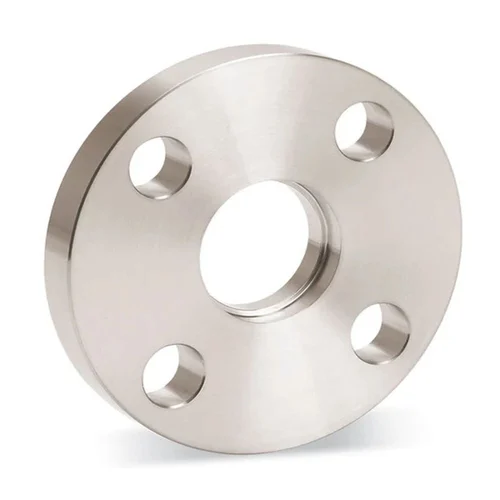
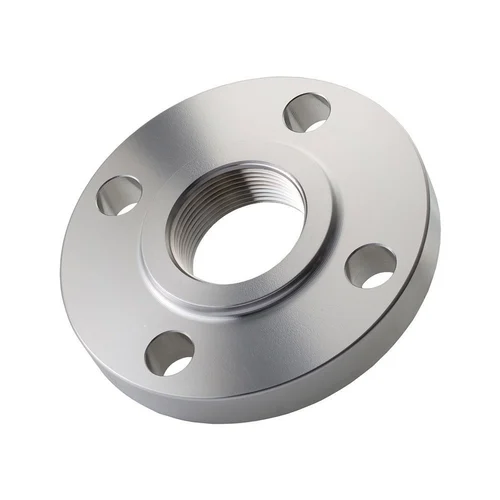
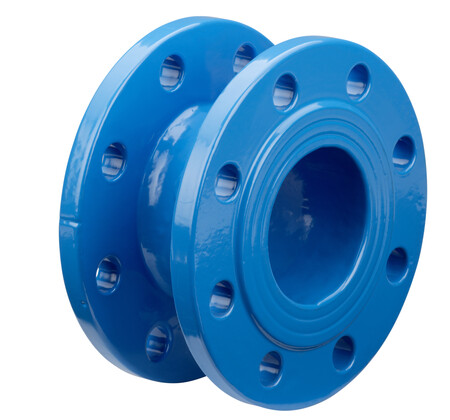
Stainless Steel Flanges Supplier in Mumbai
The Metallurgy and Surface Finish Engineering
Understanding the industrial lifespan of a high-performance flange requires a deep look at its chemical composition and surface machining.
Chemical Composition and Corrosion Resistance
Stainless steel grades like 304/304L and 316/316L rely on a precise ratio of chromium (minimum 18%) and nickel (minimum 8%). This composition allows the flange to instantaneously form a self-healing chromium oxide film upon exposure to the atmosphere, rendering it highly resistant to atmospheric corrosion and oxidizing media. The 316L variant includes added molybdenum, drastically improving its resistance to chloride-induced pitting in marine, coastal, and chemical processing applications. For high-temperature or high-stress environments, carbon steel (A105) and specialized alloy steels are utilized to provide superior yield strength.
Precision Machining and Gasket Seating
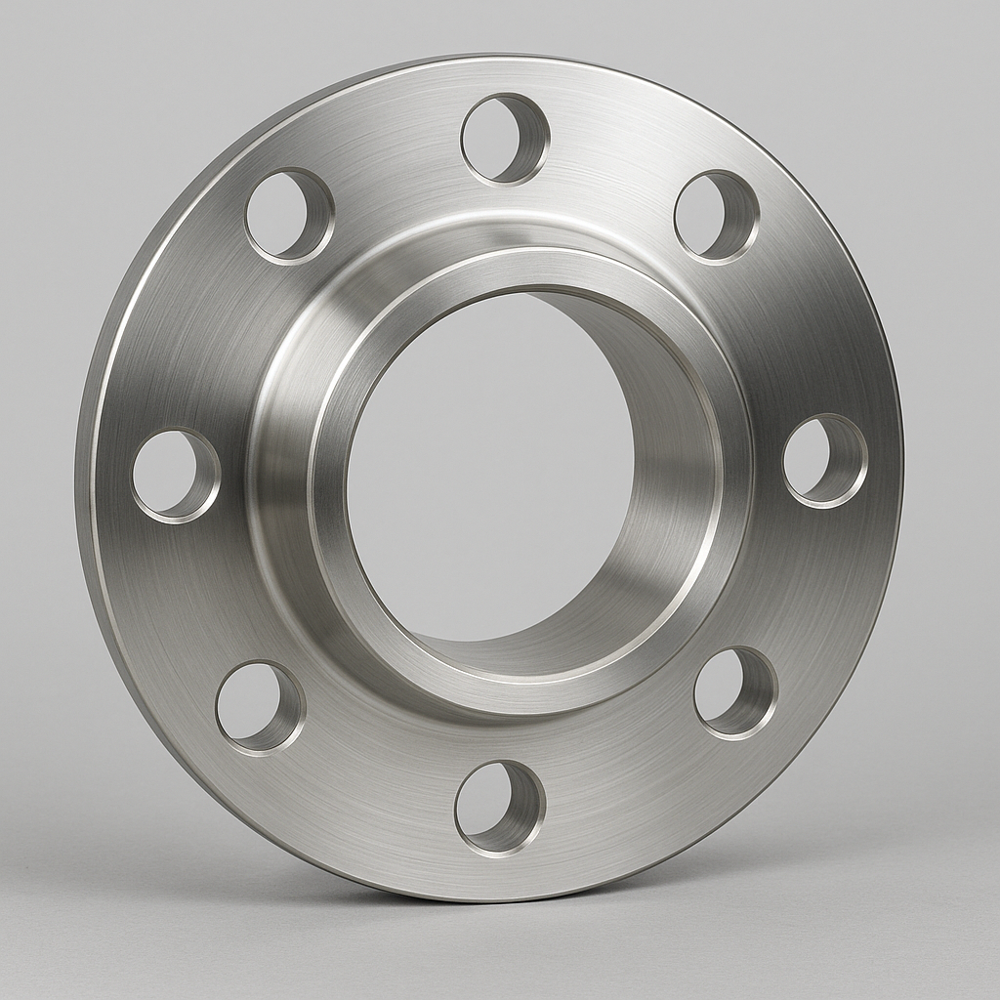
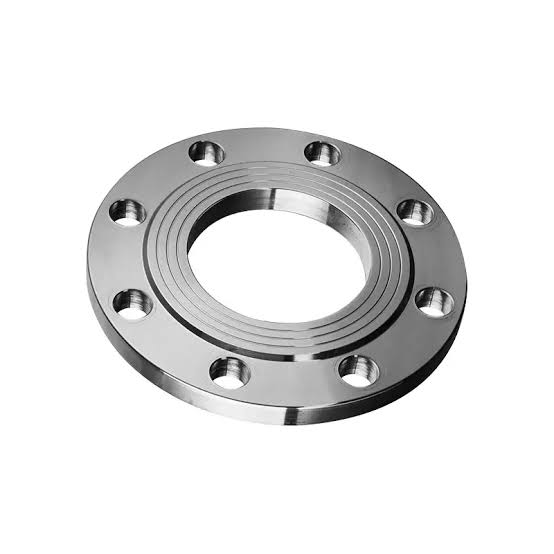
Equally critical is the machining of the flange face. When bolting two flanges together, the mating surfaces must grip the gasket perfectly. Our CNC machining centers cut exact phonographic serrations into the Raised Face (RF) or Flat Face (FF) of the flange, strictly adhering to the 125–250 micro-inch AARH (Arithmetic Average Roughness Height) standard. This precise surface roughness ensures the gasket material compresses into the microscopic grooves, forming an impenetrable, leak-proof seal under intense Class 1500# or Class 2500# pressures.
Primary Flange Configurations
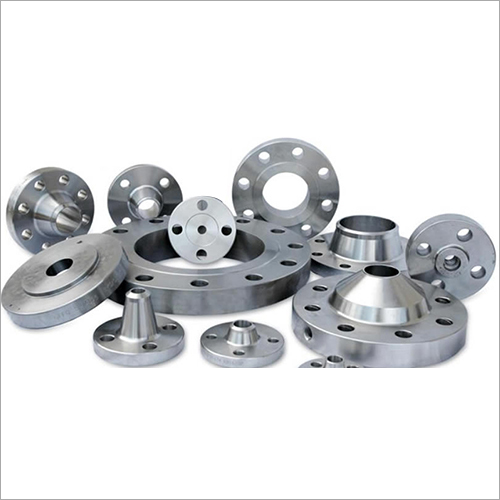
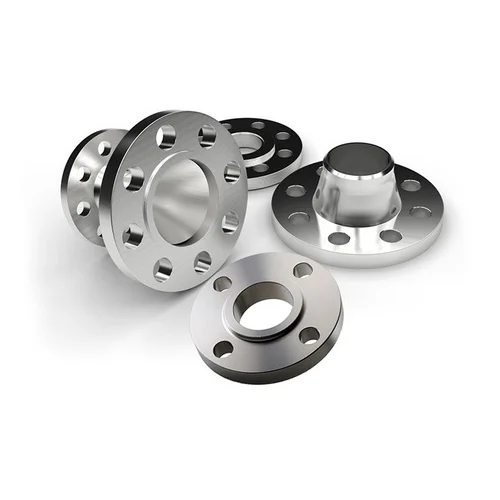
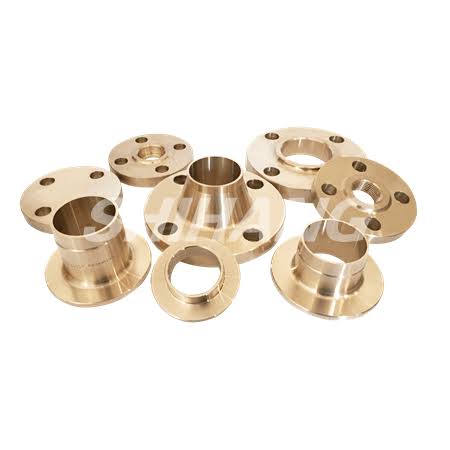
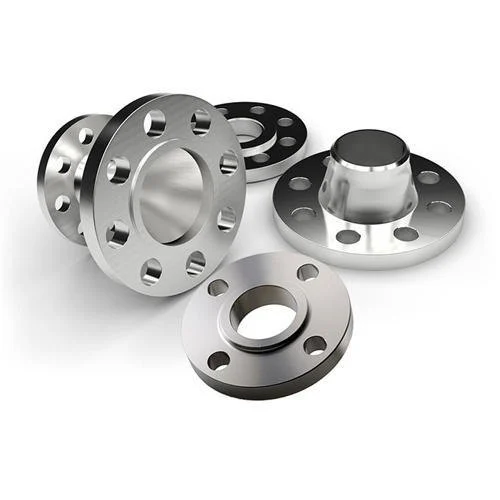
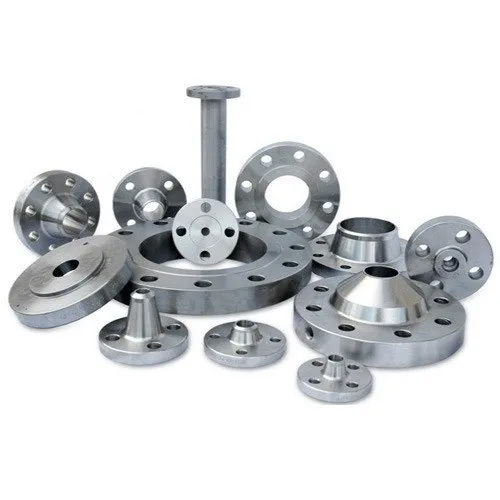
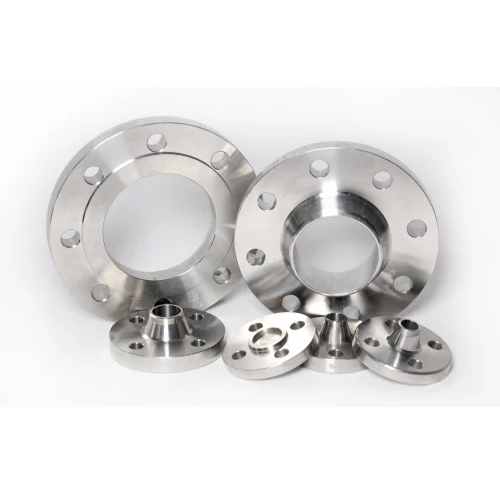
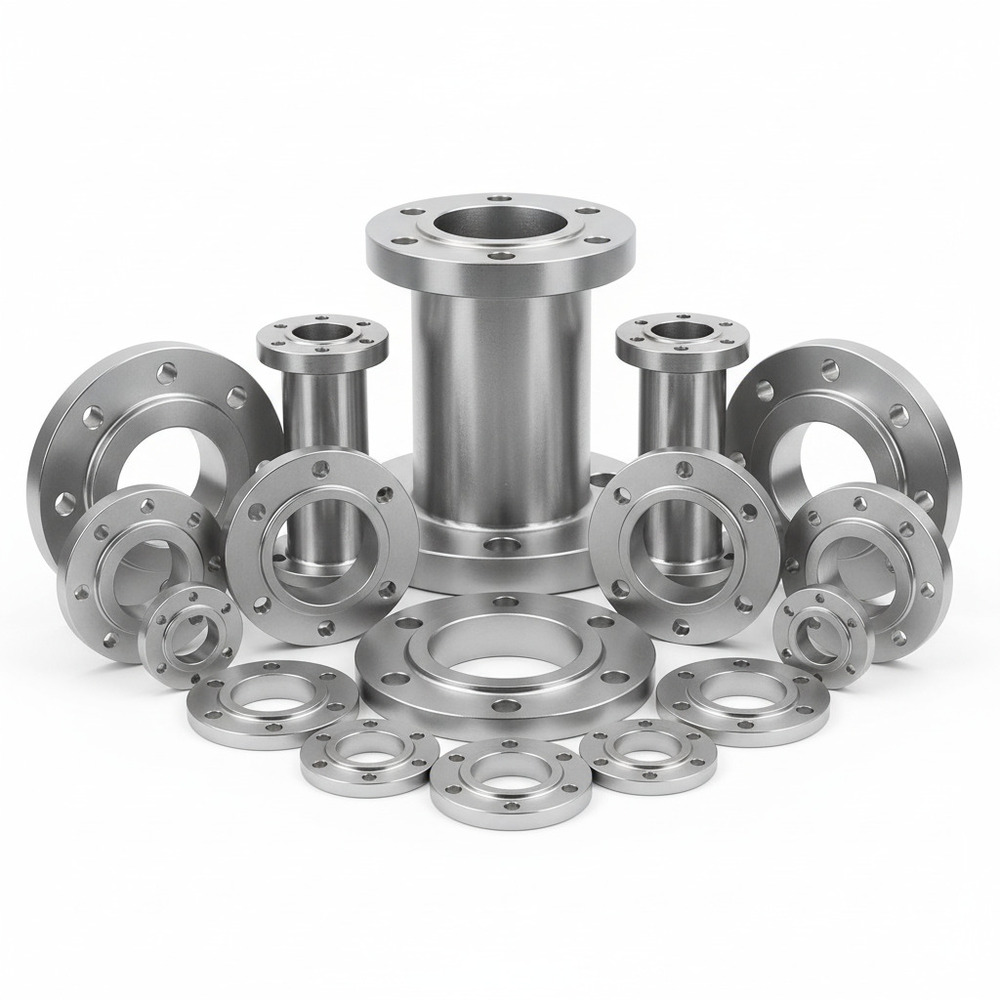
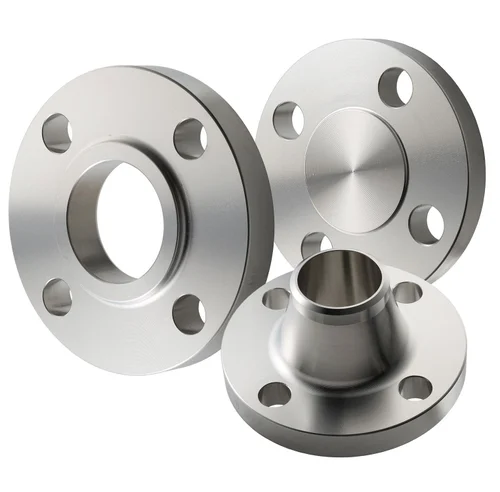
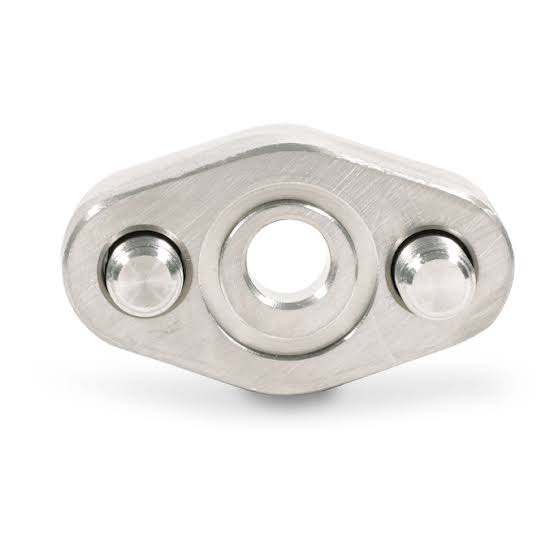
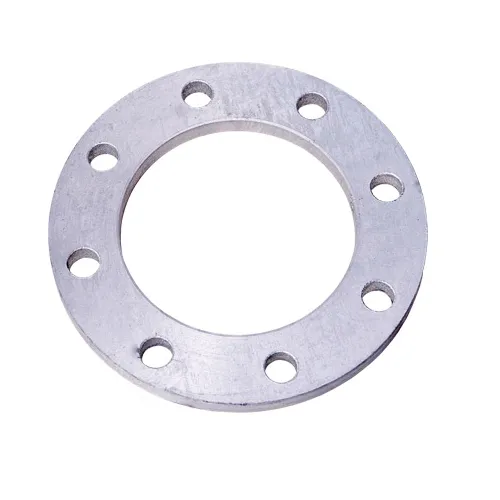
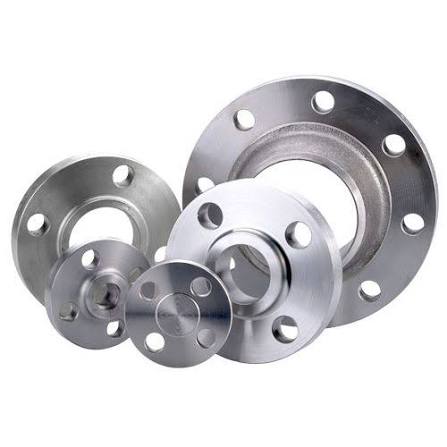
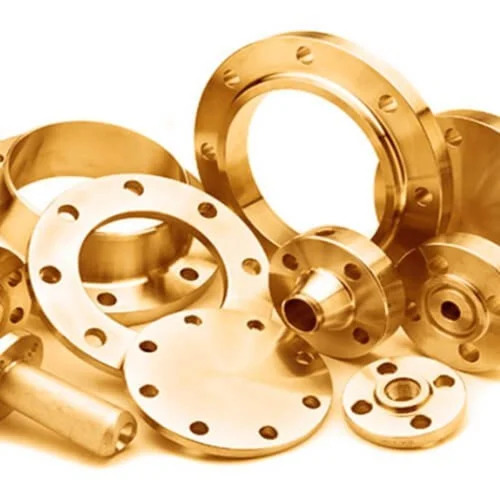
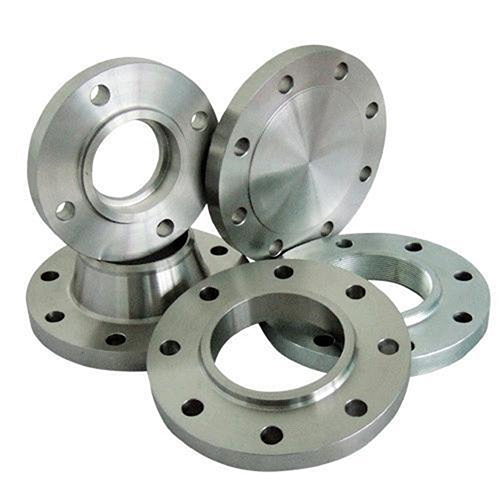
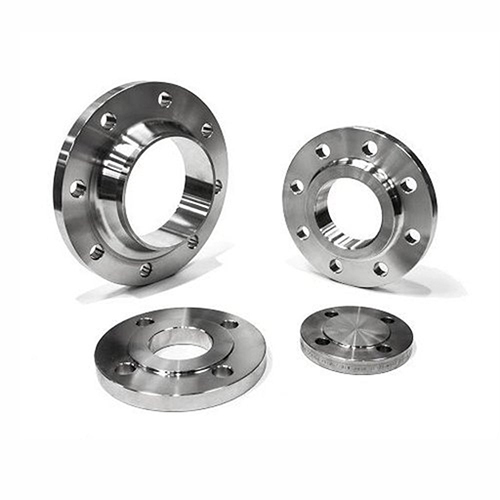
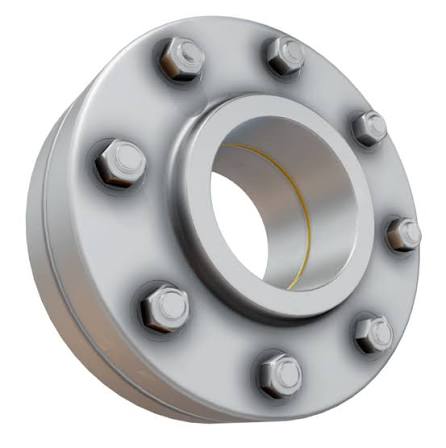
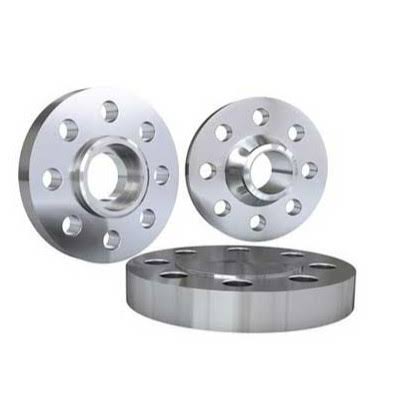
Depending on the mechanical stress, temperature variations, and fluid dynamics of the piping system, we fabricate several distinct variations:
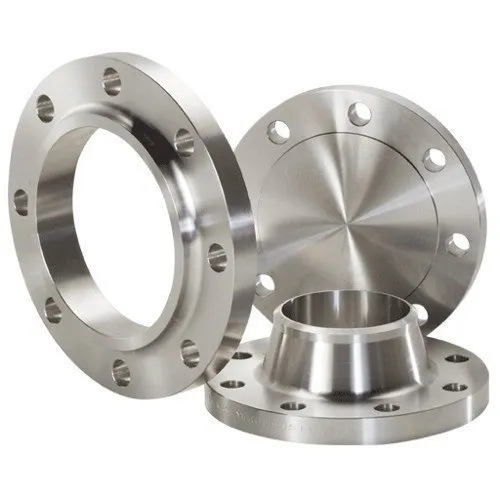
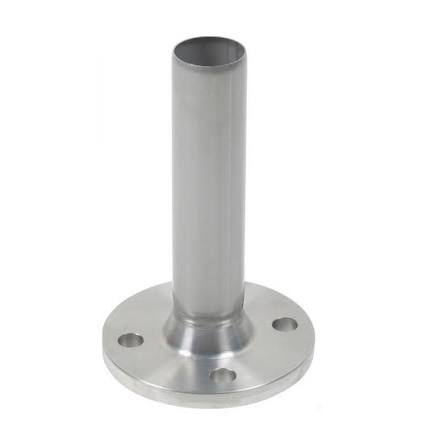
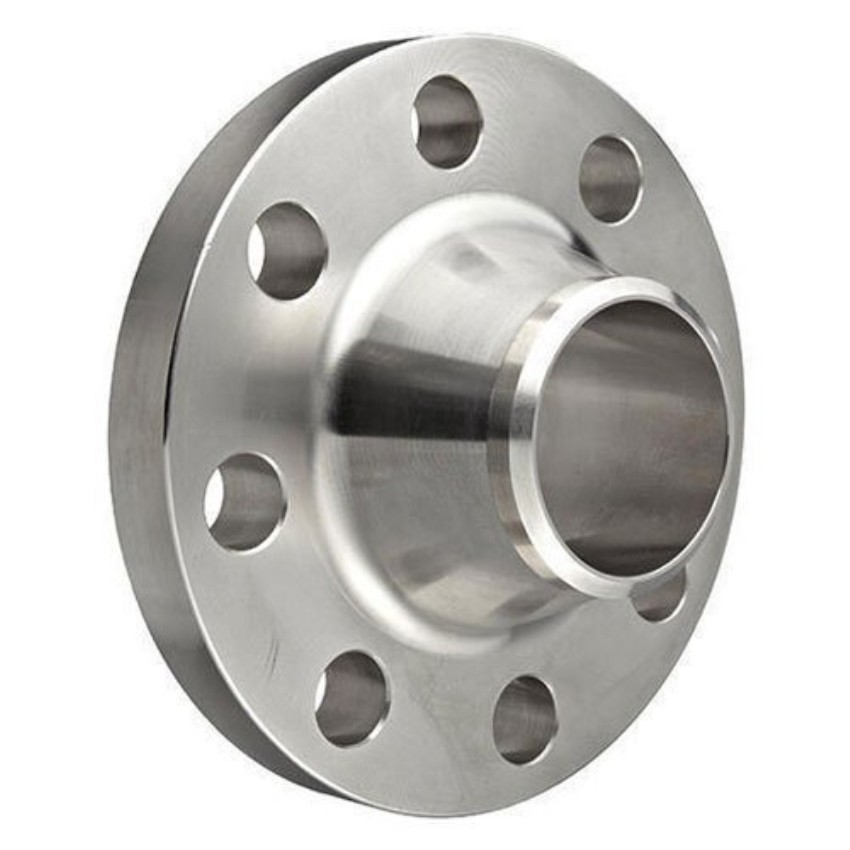
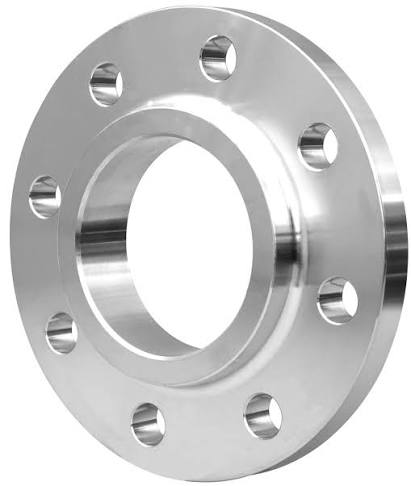
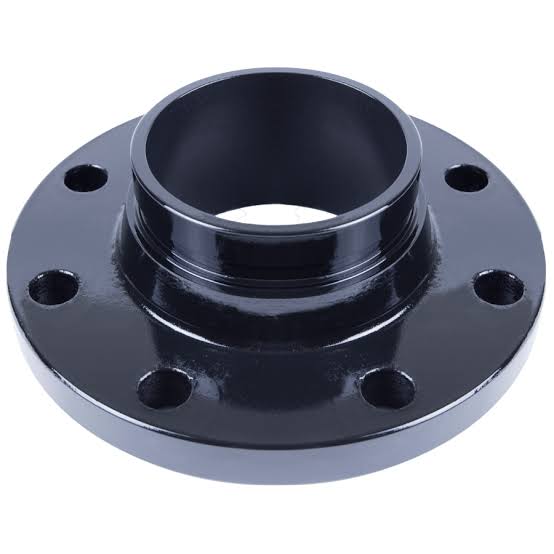
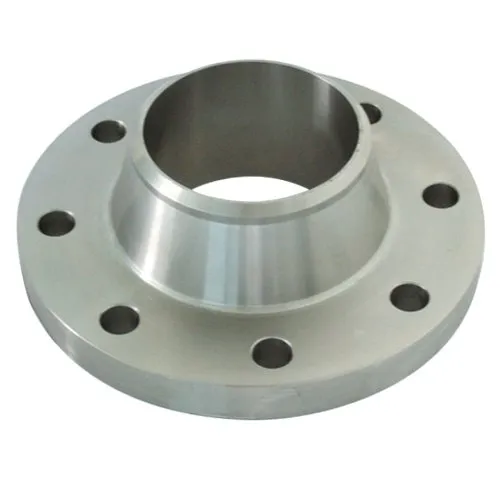
- Weld Neck (WNRF): Features a tapered hub that transfers stress directly to the pipe, making it ideal for high-pressure, high-vibration, and extreme-temperature systems.
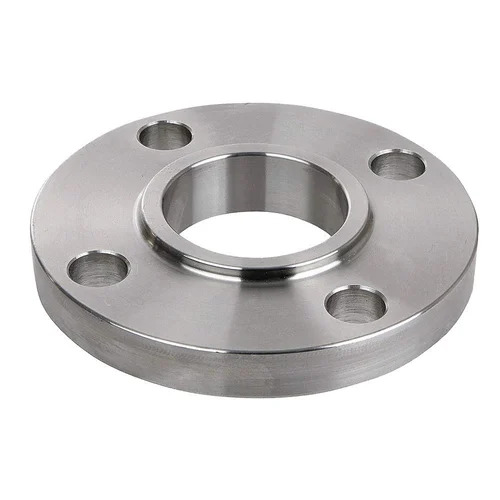
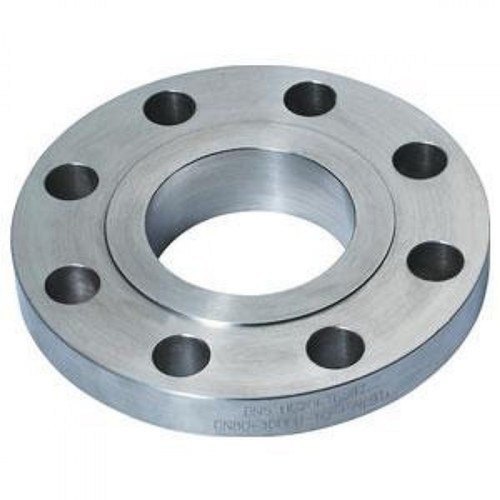
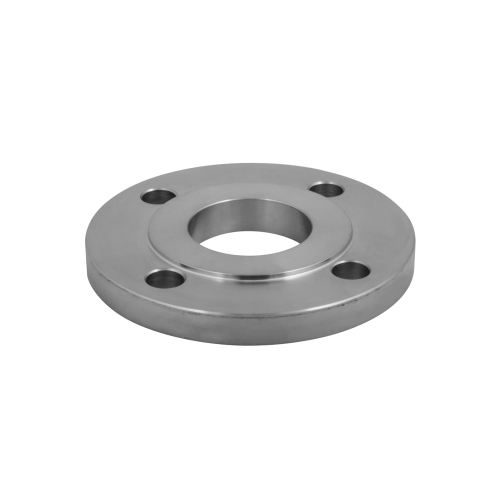
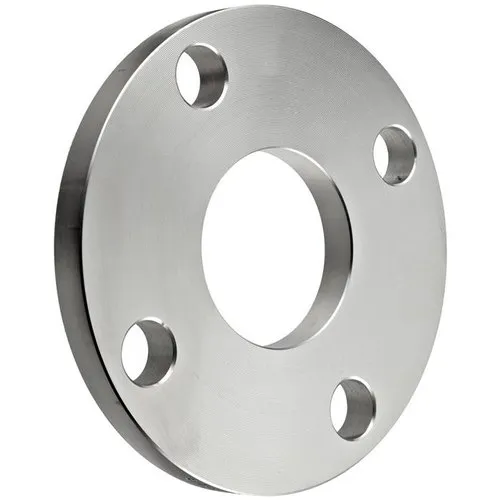
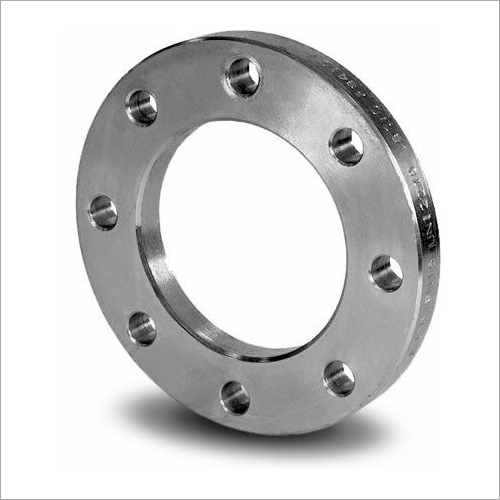
- Slip-On (SORF): Slides directly over the outside of the pipe and is fillet-welded both inside and out; excellent for lower-pressure routing and easier alignment.
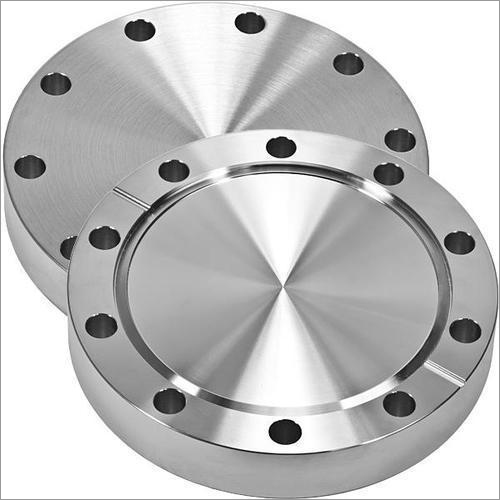
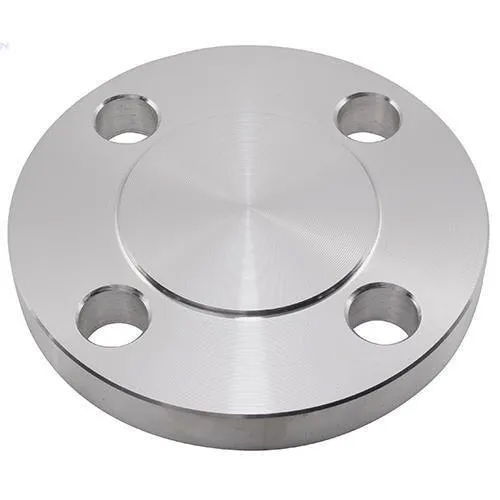
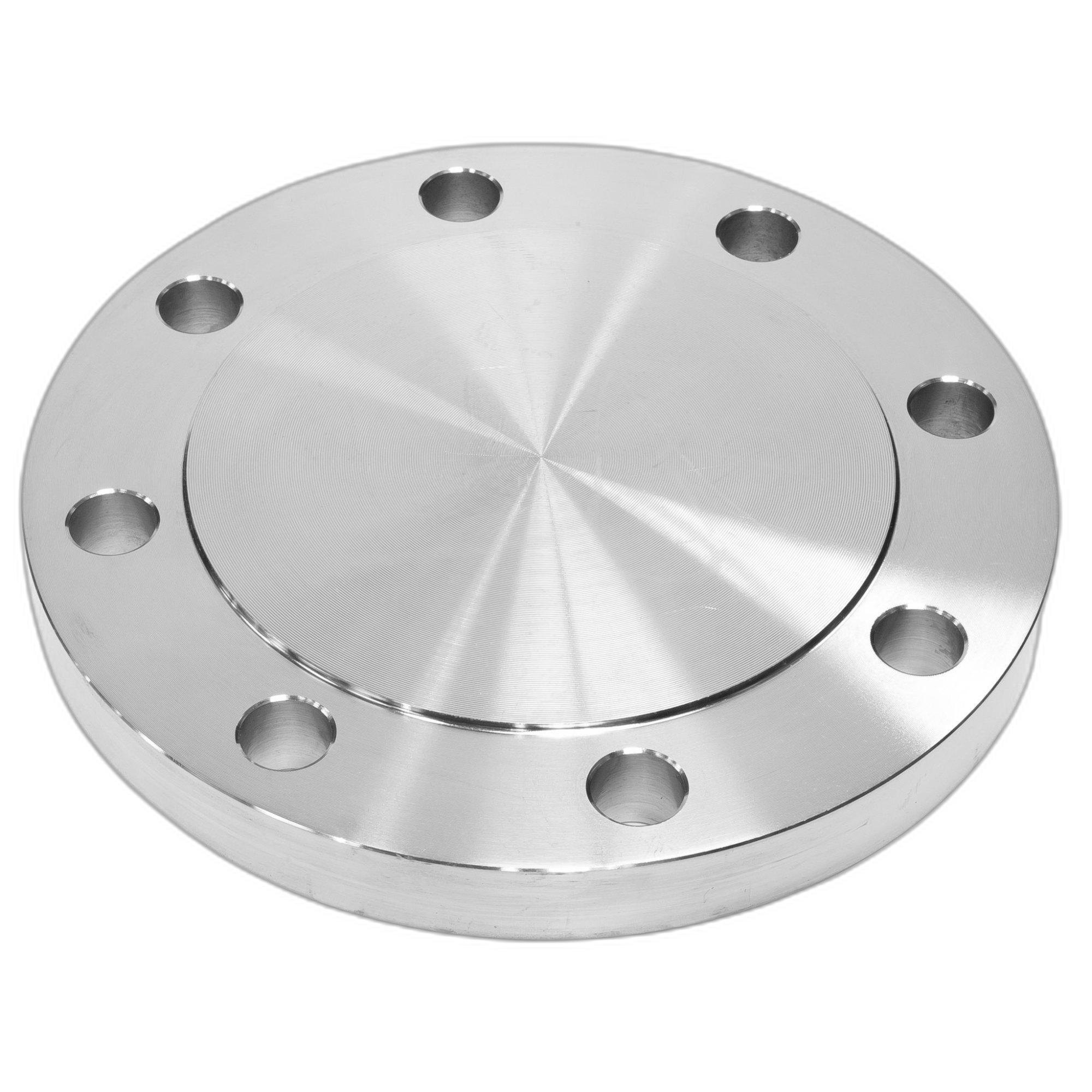
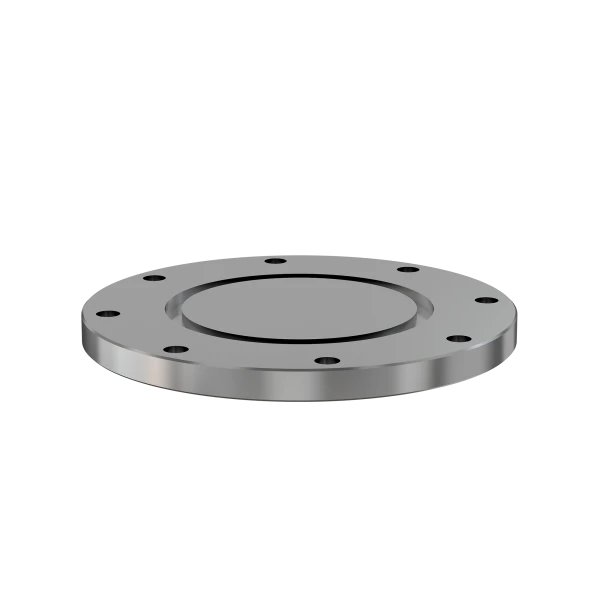
- Blind (BLRF): A solid forging used to terminate the end of a piping system or isolate a valve section, capable of handling immense internal pressure stresses.
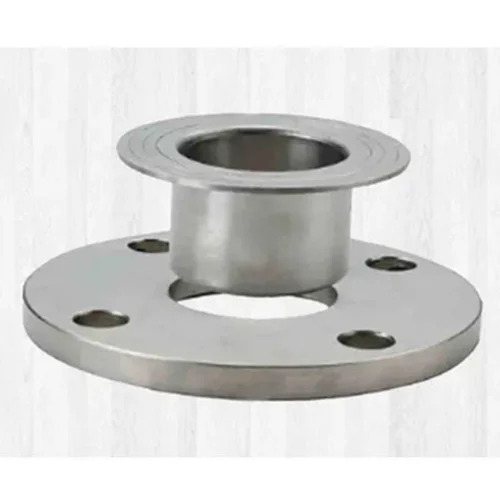
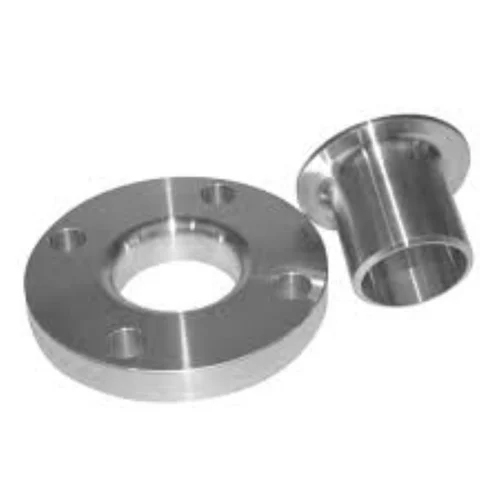
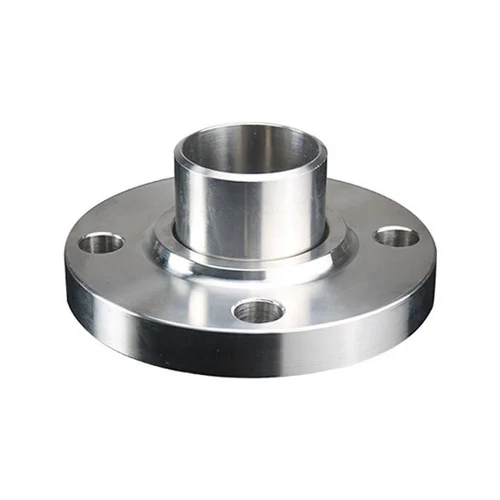
- Lap Joint: Used in conjunction with stub ends; ideal for low-pressure systems requiring frequent dismantling, cleaning, and inspection.
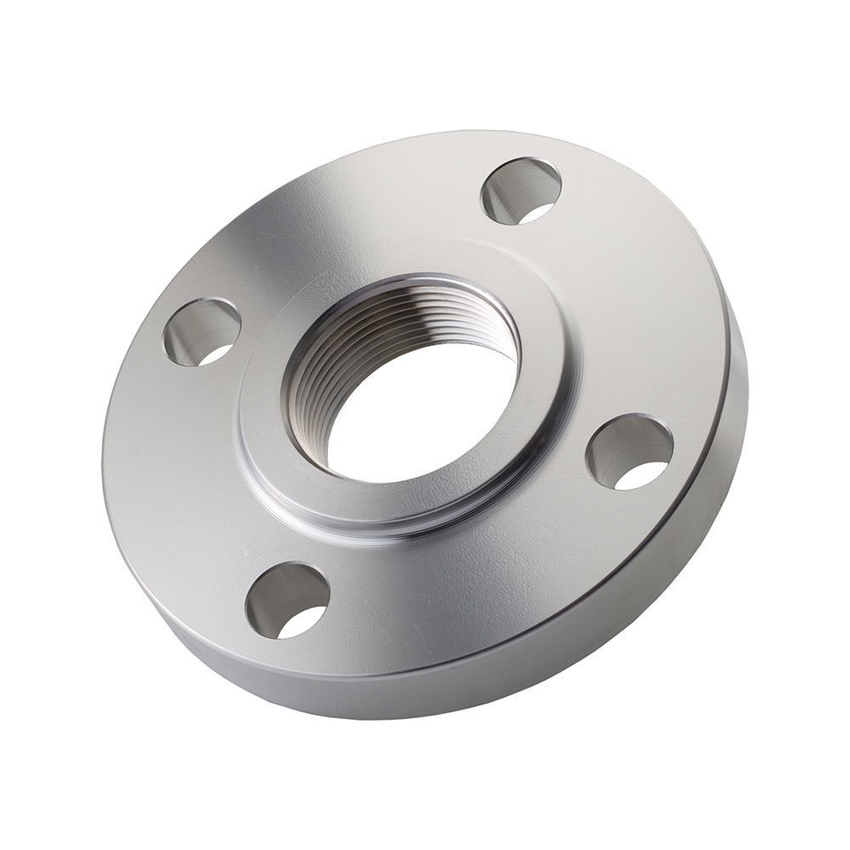
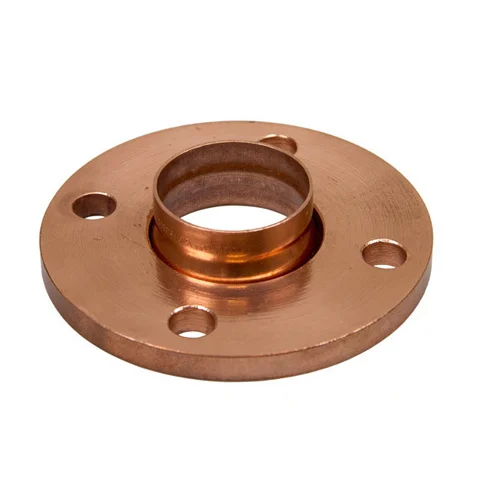
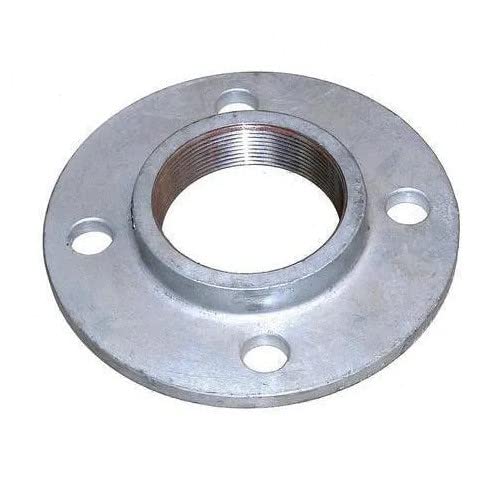
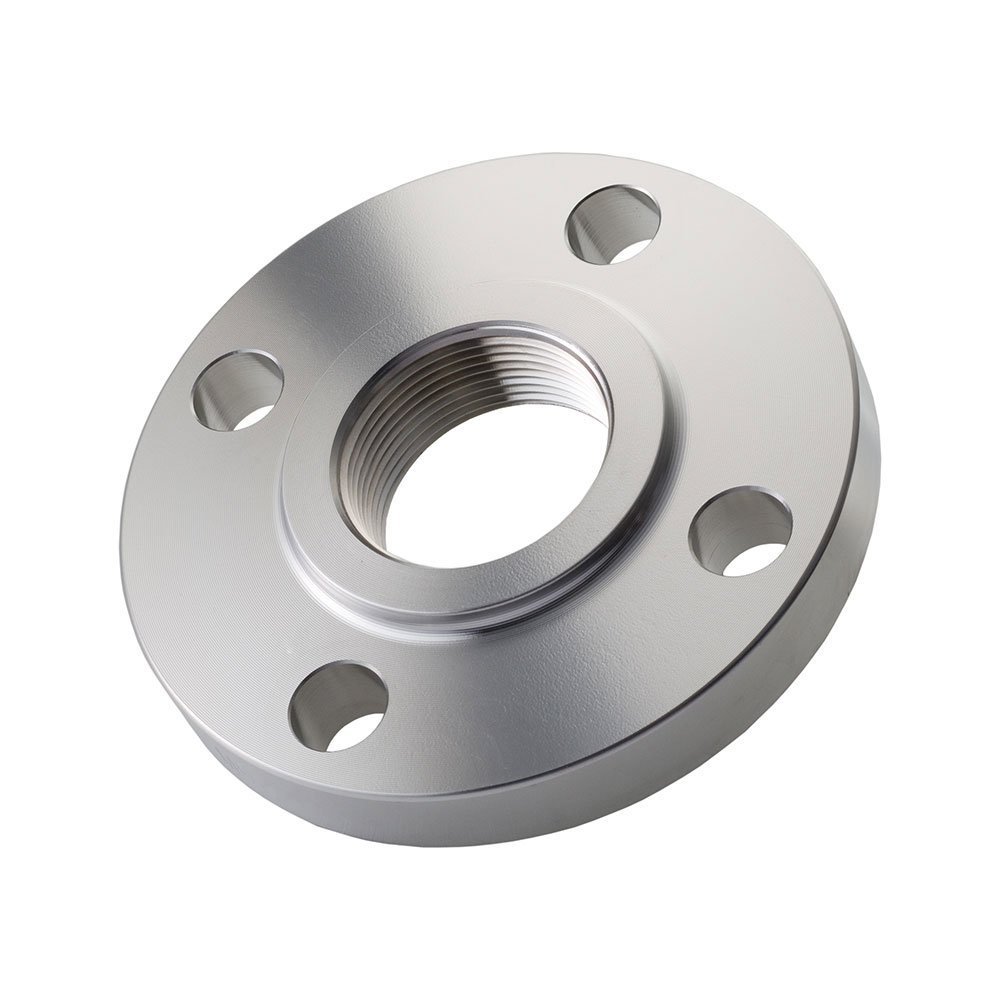
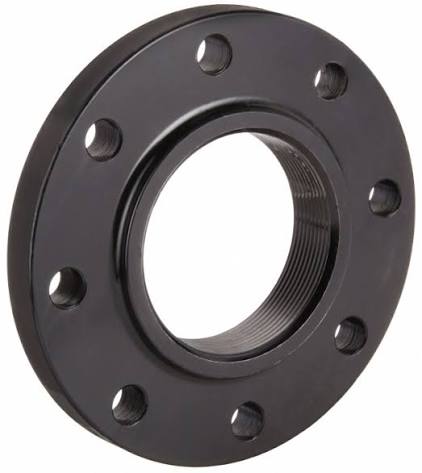
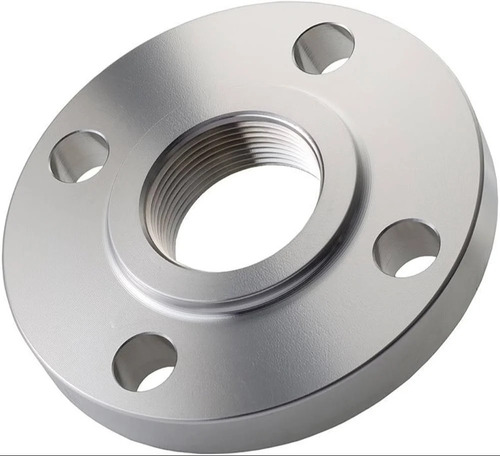
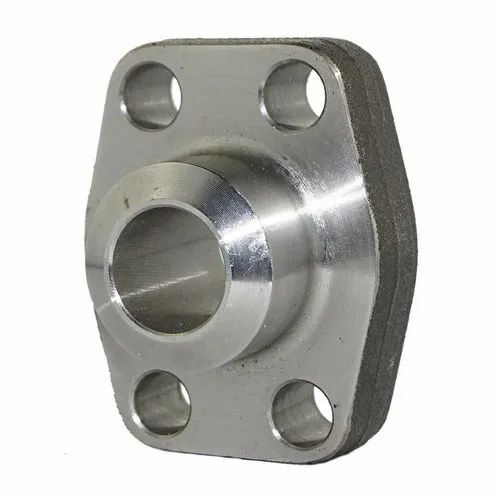
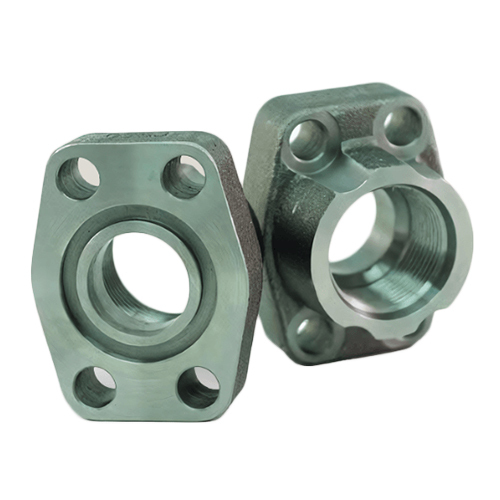
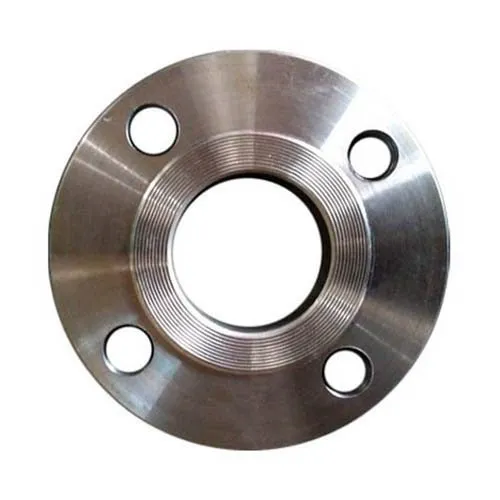
- Socket Weld & Threaded: Engineered specifically for small-bore, high-pressure lines where internal welding is restricted or impossible.
Dimensional and Material Specifications
Our production parameters strictly align with global piping codes to facilitate flawless international integration and compatibility.
| Parameter |
Specification Details |
| Design Standards |
ASME B16.5, ASME B16.47 (Series A & B), DIN, EN 1092-1, BS 4504 |
| Material Grades |
ASTM A182 F304/L, F316/L, F321, ASTM A105, A350 LF2, Alloy Steels |
| Pressure Classes |
Class 150, 300, 600, 900, 1500, 2500 / PN6 to PN100 |
| Facing Types |
Raised Face (RF), Flat Face (FF), Ring Type Joint (RTJ), Tongue & Groove (T&G) |
| Size Range |
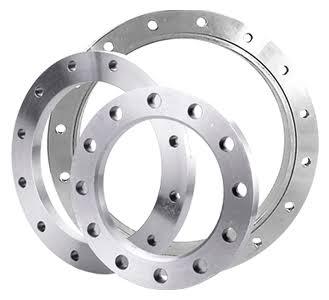
1/2” NB to 60” NB (Custom large-diameter forgings available) |
| Testing Regimens |
Ultrasonic Flaw Detection, PMI, Dye Penetrant (LPT), Hydrostatic Testing |
Driving B2B Procurement via an Authorized Flanges Dealer in Mumbai
For EPC contractors executing massive greenfield or brownfield projects, managing the procurement of thousands of individual piping components is a severe logistical challenge. By partnering with a dedicated dealer network in Mumbai, you gain a massive commercial and operational advantage.
We provide heavily discounted bulk pricing structures, comprehensive MTC (Mill Test Certificate) 3.1/3.2 traceability, and highly customized heavy-duty packaging to prevent flange face damage during transit. Furthermore, we actively assist procurement engineers in specifying the exact bolt-hole alignments, pressure ratings, and wall thicknesses required for their complex isometric engineering drawings.
Stainless Steel Flanges Exporter in Mumbai
Fulfilling Global Contracts as a Top Flanges Exporter from Mumbai
Our commitment to machining excellence and zero-defect forging has driven massive international demand. Functioning as a globally recognized exporter from the commercial hub of Mumbai, we consistently route heavy-duty connection components to desalination plants in the Middle East, pharmaceutical facilities in Europe, and chemical refineries across Southeast Asia.
Every export shipment undergoes strict dimensional gauging, 100% positive material identification (PMI), and ultrasonic testing. We utilize export-grade, seaworthy wooden crating with specialized plastic face protectors to guarantee that foreign clients receive impeccable, installation-ready components.
Technical Specifications Summary
| Flanges – Technical Specifications |
Details |
| Size Range |
1/2" to 60" (DN 15 to DN 1500) |
| Pressure Class |
150 / 300 / 600 / 900 / 1500 / 2500 LBS, PN 6 to PN 100 |
| Type |
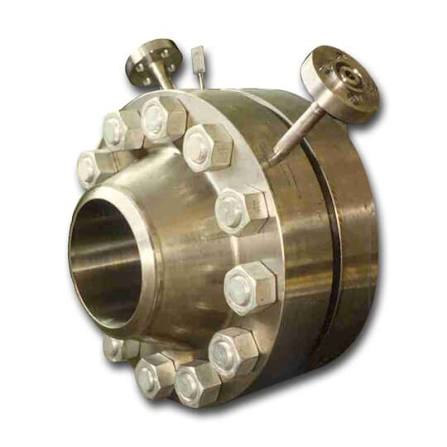
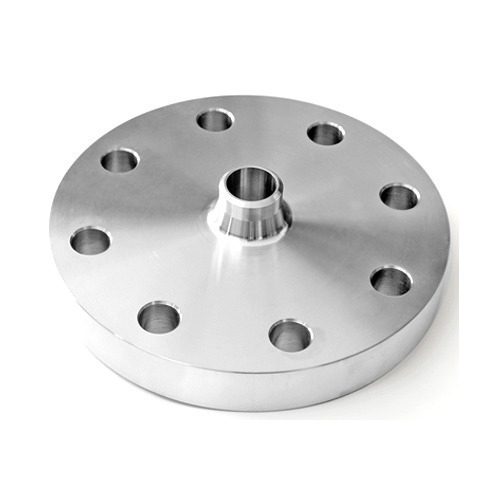
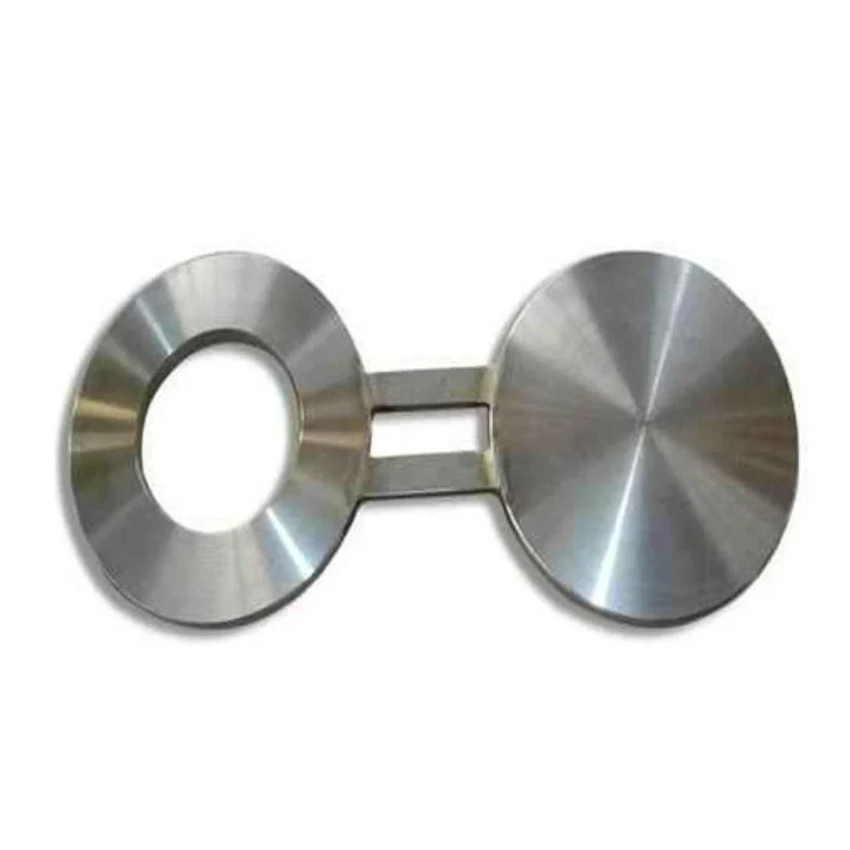
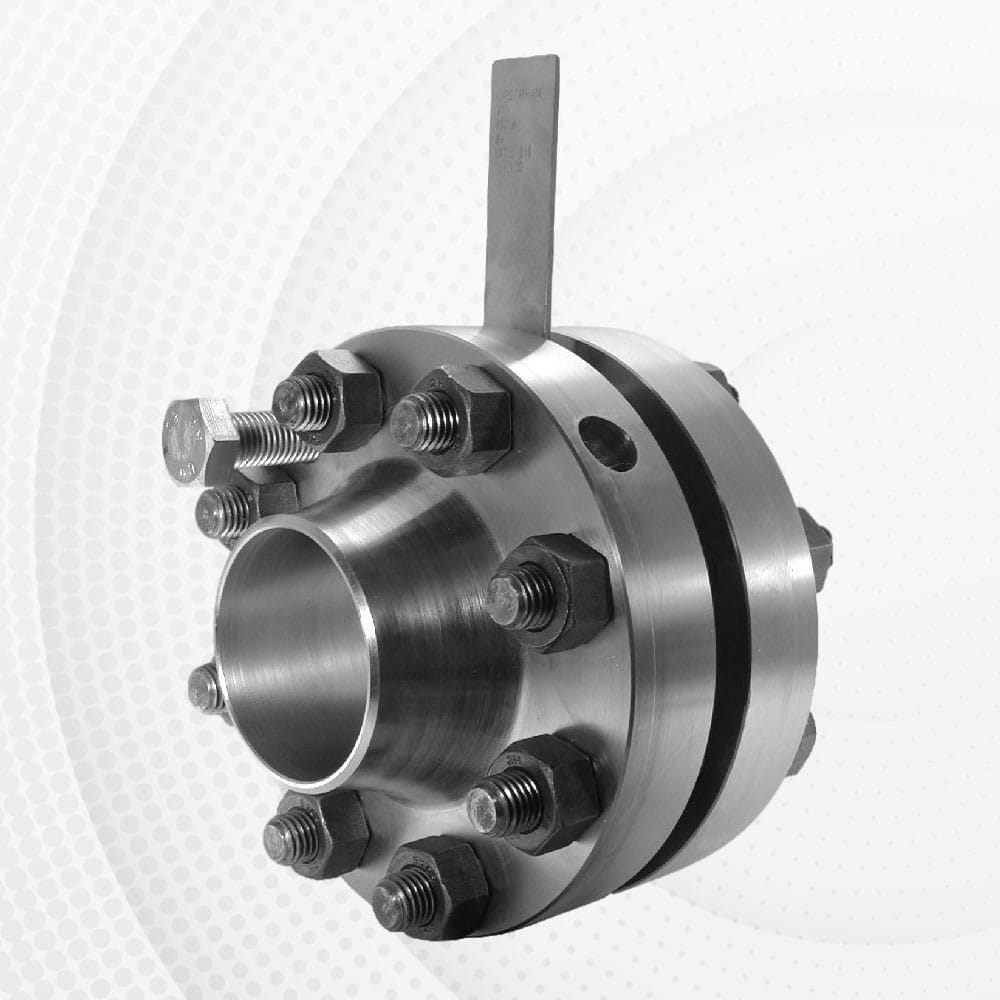
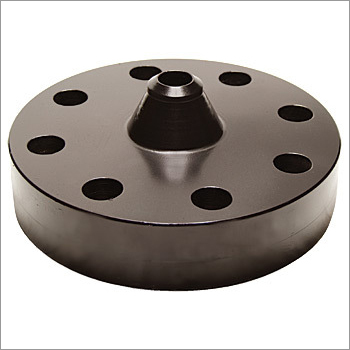
Weld Neck, Slip-On, Socket Weld, Blind, Lap Joint, Threaded, Reducing, Orifice, Spectacle Blind |
| Face Type |
RF, FF, RTJ, T&G, Male & Female |
| Manufacturing Process |
Forged / Precision Plate-cut |
| Testing Protocols |
Hydrostatic, PMI, Hardness, IGC, Ultrasonic, Dye Penetrant |
| Certification |
EN 10204 3.1 / 3.2 Mill Test Certificate |