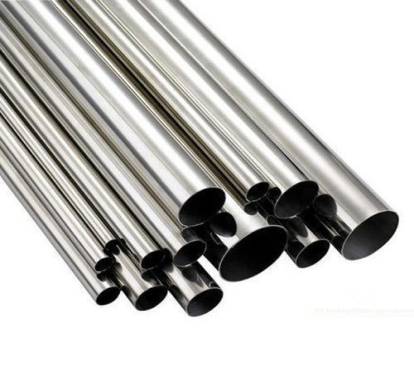
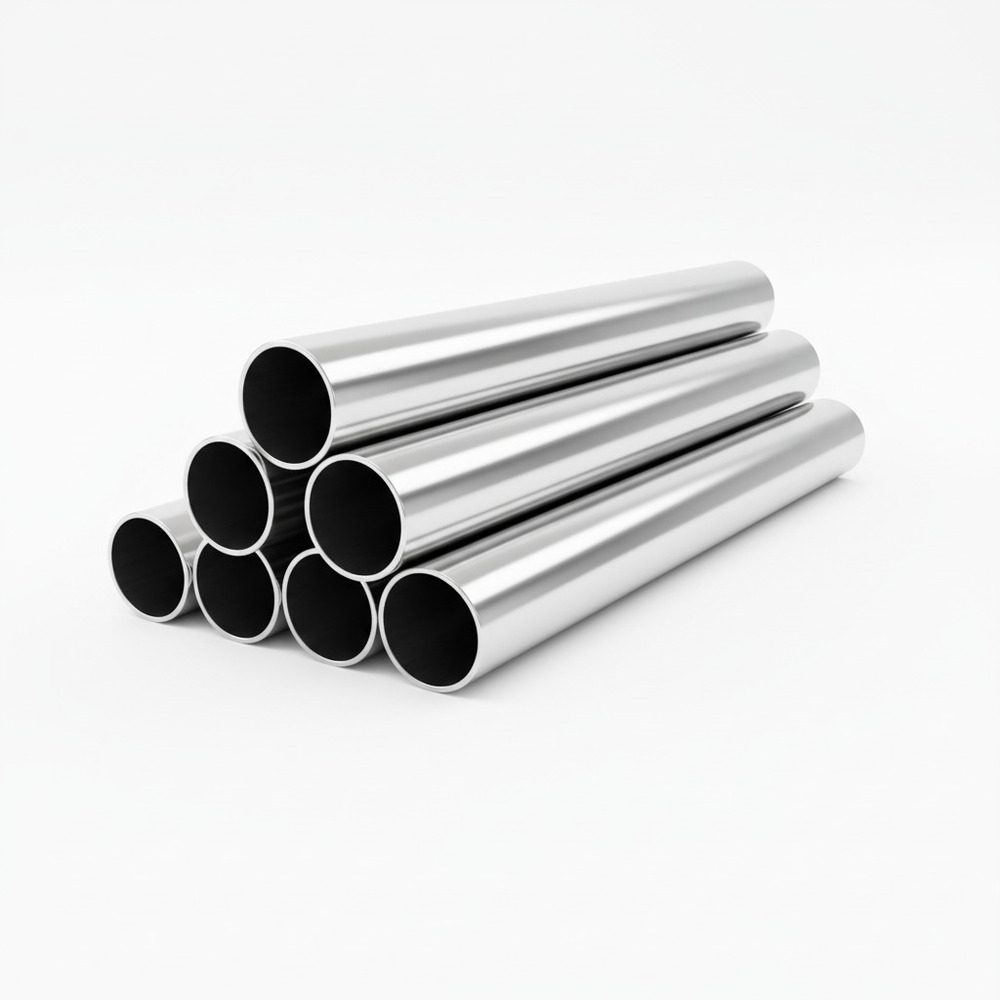
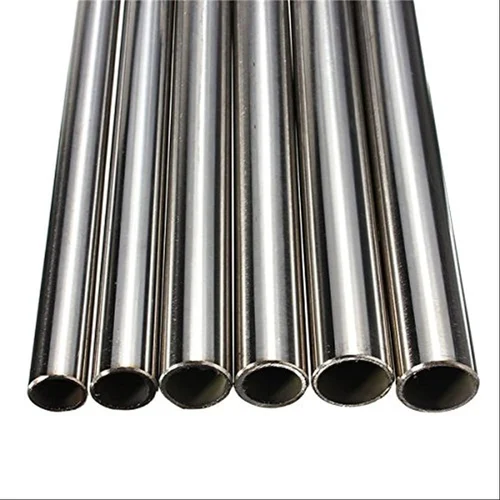
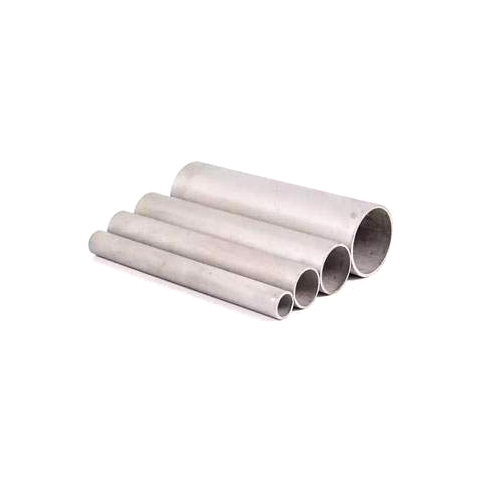
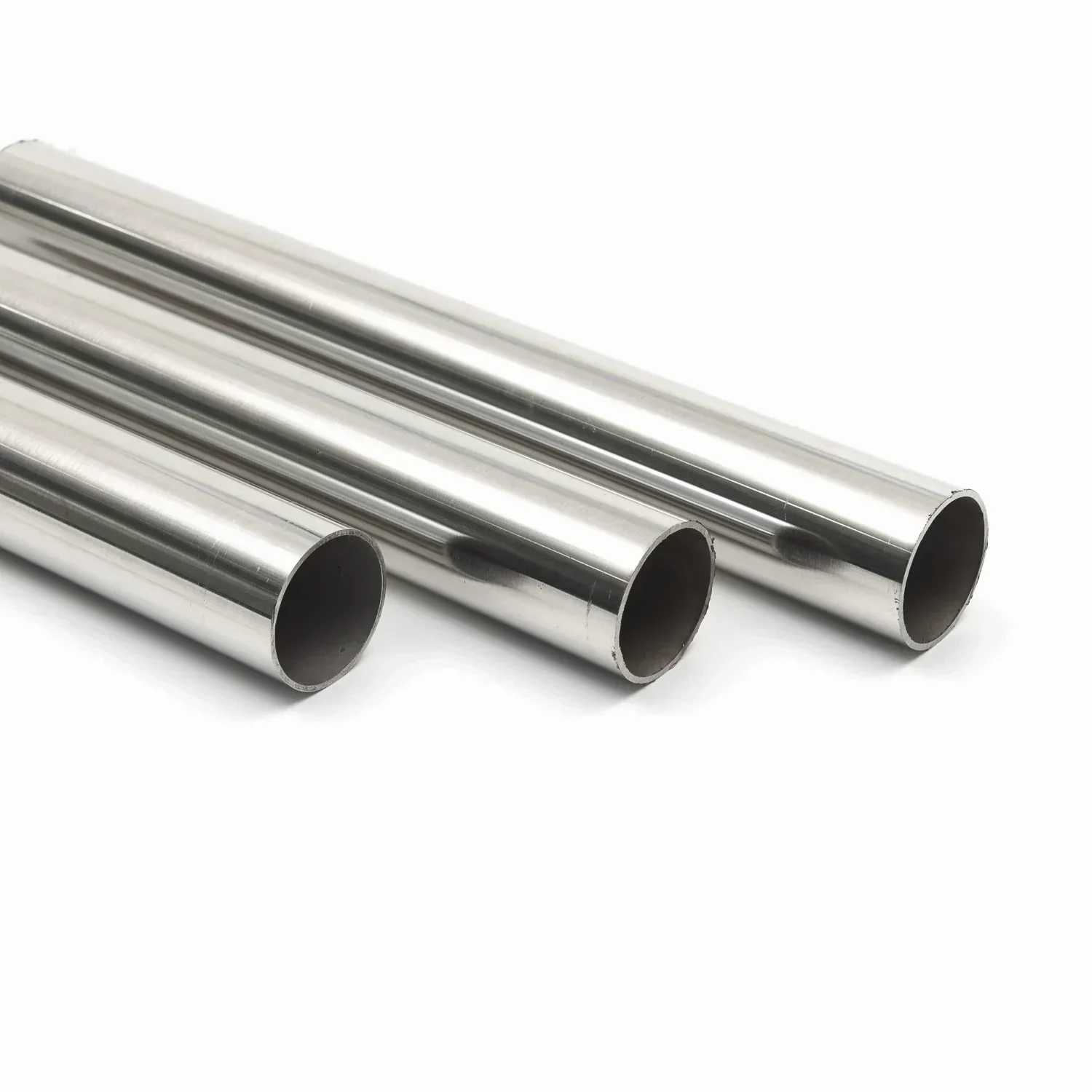
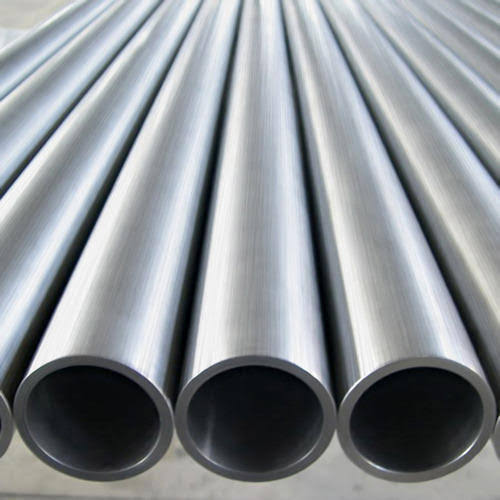
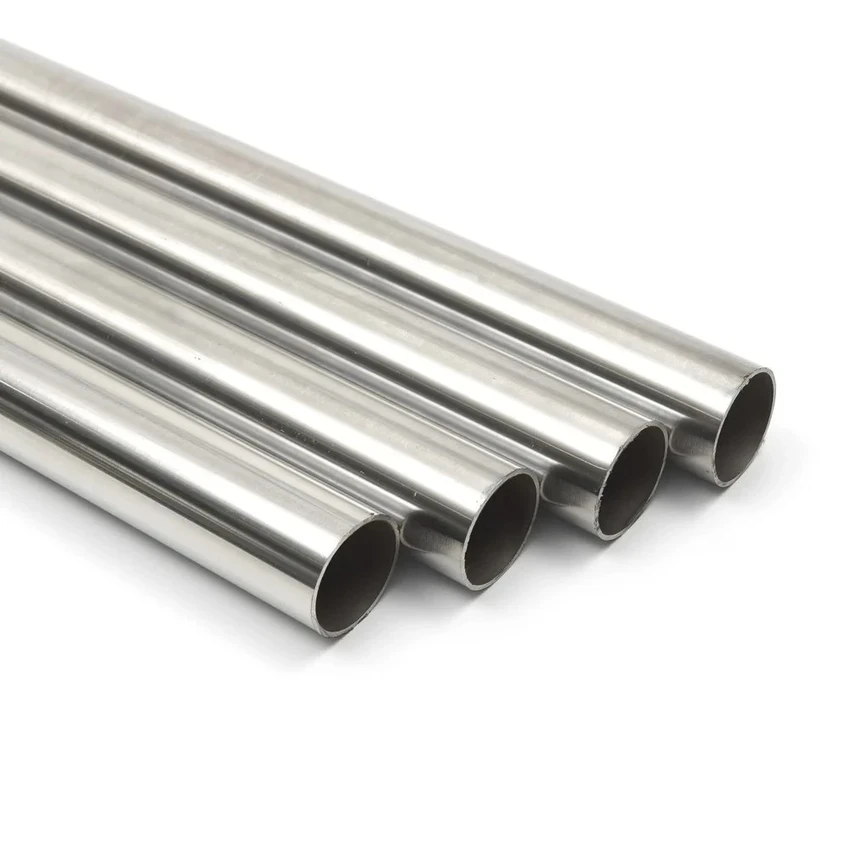
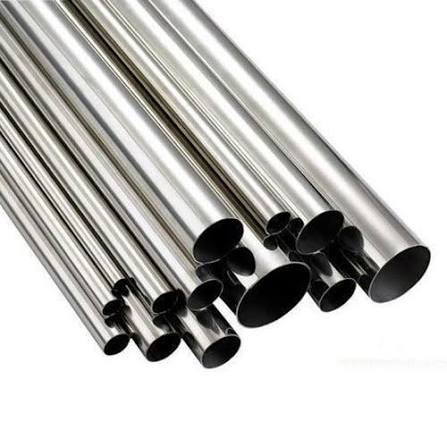
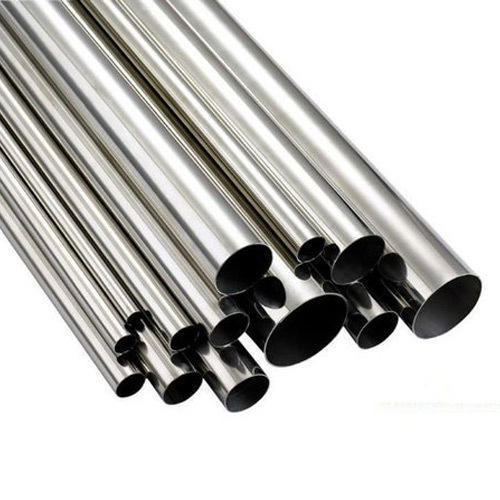
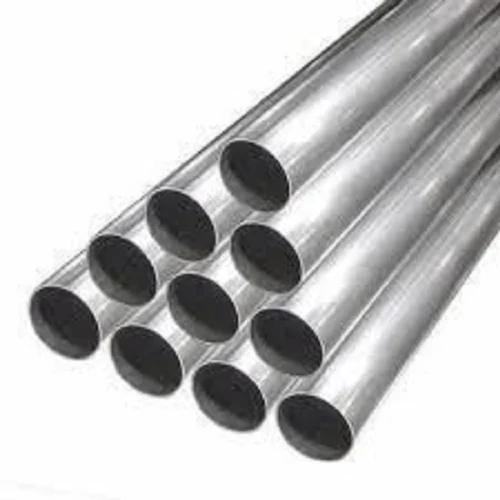
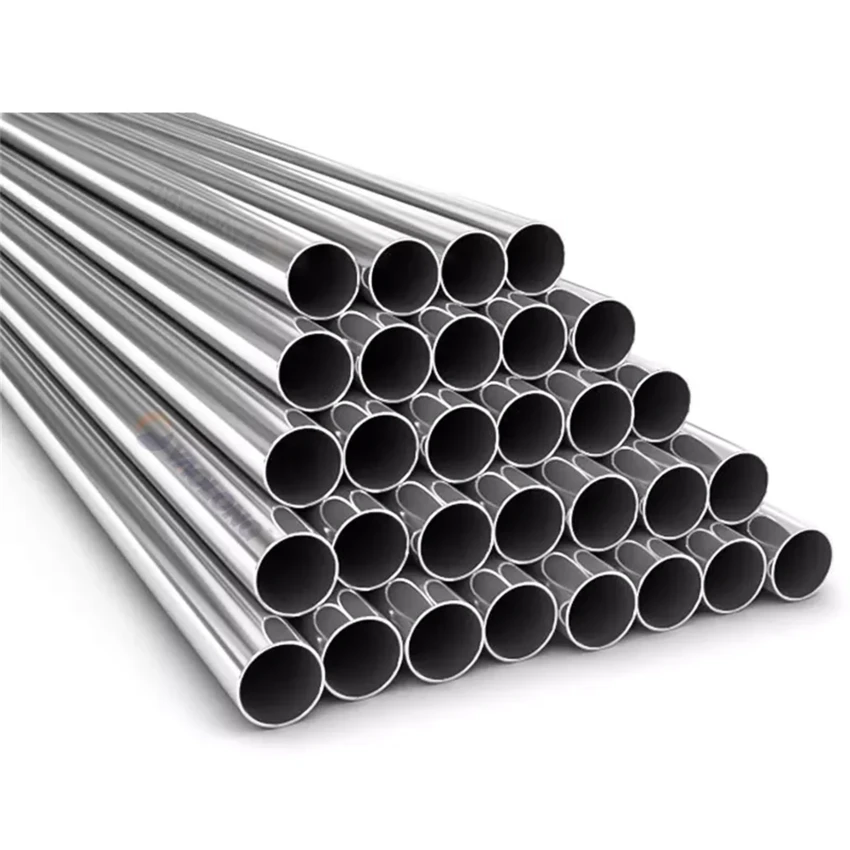
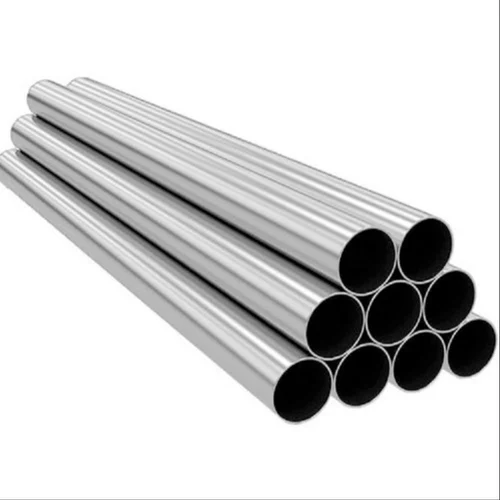
317 Stainless Steel Tubes Supplier in Mumbai
The Metallurgy and Structural Classification Matrix
The operational lifespan, mechanical resilience, and thermal efficiency of a 317 stainless steel tube depend entirely on its specific chemical composition and its primary structural classification.
Chemical Composition Matrix (UNS S31700 vs UNS S31703) (%)
The chemical formulation of Grade 317 is precisely balanced to deliver robust physical tensile properties and advanced chemical pitting protection:
| Grade Type |
Chromium (Cr) |
Nickel (Ni) |
Molybdenum (Mo) |
Carbon (C) |
Manganese (Mn) |
Silicon (Si) |
Phosphorus (P) |
Sulfur (S) |
| Standard 317 |
18.00–20.00 |
11.00–15.00 |
3.00–4.00 |
0.08 Max |
2.00 Max |
0.75 Max |
0.045 Max |
0.030 Max |
| 317L (Low-Carbon) |
18.00–20.00 |
11.00–15.00 |
3.00–4.00 |
0.03 Max |
2.00 Max |
0.75 Max |
0.045 Max |
0.030 Max |
Note: While standard 317 provides superior ambient strength, the 317L low-carbon modification is strictly selected for heavily welded configurations to eliminate chromium carbide sensitization along weld heat-affected zones.
Seamless vs. Welded 317 Stainless Tubing Classifications
Depending on specific structural constraints, pressure ratings, and economic parameters, we supply 317 stainless steel tubing across two primary configurations:
| Parameter |
Seamless Tubing (ASTM A213 / A269) |
Welded Tubing (ASTM A249 / A269) |
| Manufacturing Process |
Extruded from solid forged billets, followed by cold-drawing or pilgering. Completely weld-free. |
Formed from continuous precision strip-steel, welded using automated TIG/Plasma arc protocols without filler metal. |
| Pressure Thresholds |
Substantially higher burst pressure profiles; completely eliminates the risk of directional seam failure. |
Moderate pressure ratings; typically restricted by a structural joint efficiency factor (e.g., 0.85 or 1.00 for fully radiographed lines). |
| Dimensional Tolerances |
Excellent, though slight wall concentricity variations can occur over long structural lengths. |
Ultra-precise wall thickness uniformity, as the starting point is a high-accuracy rolled steel sheet or strip. |
| Primary Applications |
High-pressure chemical reactors, superheaters, sour gas instrumentation networks, and explosive media lines. |
FGD scrubber piping, pulp bleach washing lines, cooling coils, and chemical processing headers. |
Primary Industrial Tubing Formats and Applications
Depending on the required fluid velocity, spatial limitations, and target heat transfer coefficients, we supply specialized tubing profiles:
- Heat Exchanger & Condenser Tubes: Straight precision lengths explicitly optimized for thin-wall thermal transmittance, designed for seamless rolling or orbital welding into heavy tubesheet matrices.
- U-Bent Tubing: High-purity straight tubes precision-bent into customized U-profiles, solution-annealed along the bend radius to relieve stress, and pre-tested for immediate installation in shell-and-tube configurations.
- Instrumentation Tubing: Ultra-precise, bright-annealed small-bore tubing selected for its highly clean internal diameter, perfect for linking pressure transmitters, control valves, and analytical sampling racks in corrosive offshore arrays.
Dimensional and Material Specifications
Our production engineering strictly follows global dimensional codes to ensure hassle-free integration with global piping infrastructure and commercial industrial systems.
| Parameter |
Specification Details |
| Design Standards |
ASTM A213 (Seamless Boiler/Heat-Exchanger), ASTM A249 (Welded Boiler/Heat-Exchanger), ASTM A269 (General Service), EN 10216-5, DIN 17458 |
| Material Specifications |
Austenitic Chromium-Nickel-Molybdenum Stainless Steel Grade 317 (UNS S31700 / W.Nr. 1.4449) |
| Size Specification Matrix |
1/8” OD up to 4” OD standard range (Wall thickness coverage spanning 0.020” up to 0.500” / SWG or BWG parameters) |
| Surface Finish Options |
Bright Annealed (BA), Mill Finish, Pickled & Annealed (AP), Polished Grit finishes (180, 240, 320, 400 Mirror) |
| Testing Regimens |
100% PMI verification, Eddy Current (ECT), Hydrostatic Containment, Flaring & Flattening tests, Ultrasonic thickness checks |
Driving B2B Procurement via an Authorized Tubes Dealer in Mumbai
For global engineering, procurement, and construction (EPC) firms, heat exchanger fabricators, and original equipment manufacturers (OEMs) managing critical chemical loops, sourcing fully traceable tubing is essential. Partnering with a dedicated distribution channel in Mumbai gives you a distinct operational edge.
We provide volume-based commercial discounts, comprehensive material traceability certifications (MTC EN 10204 3.1/3.2), and durable, sea-worthy packaging designed to prevent bending, wall scratching, or end deformation during transport. Tubes are packed in robust wooden crates with individual protective sleeve covers, ensuring your components arrive at the project site ready for immediate installation.
317 Stainless Steel Tubes Exporter in Mumbai
Fulfilling Global Contracts as a Top Precision Tubing Exporter from Mumbai
Our focus on precision drawing control and zero-defect quality validation has earned strong international trust. Operating from the export hub of Mumbai, we regularly ship high-reliability seamless and welded 317 stainless steel tubes to chemical processing complexes in the Middle East, specialized boiler manufacturing installations in Europe, and thermal refineries across Southeast Asia.
Every export order passes through a strict final quality checkpoint, including full dimensional analysis, 100% PMI validation, and Eddy Current testing verification. We package shipments in heavy-duty, export-grade boxes and palletized crates equipped with protective internal formatting and moisture-resistant vapor barriers. This ensures your high-precision components arrive at the project site in perfect operational condition.
Technical Specifications Summary
| 317 Stainless Tubing – Technical Specifications |
Details |
| Outside Diameter Range |
1/8" to 4" (3.17 mm to 101.6 mm) standard nominal spectrum |
| Wall Thickness Range |
0.020" to 0.500" (Custom dimensions matching SWG / BWG wall schedules) |
| Type Configurations |
Seamless Cold-Drawn Tubes, Welded TIG/Plasma Tubes, U-Bent Condenser Tubes, Industrial Piping |
| Surface Condition Formats |
Bright Annealed (BA), Descaled Pickled (AP), Mechanical Polished Mirror Finish |
| Manufacturing Standards |
100% Cold-Pilgered / Cold-Drawn & Controlled Atmosphere Heat Treated |
| Testing Protocols |
Eddy Current Testing (ECT), Hydrostatic Proofing, Flaring, Flattening, Hardness, Microstructure Analysis |
| Certification Scope |
EN 10204 3.1 / 3.2 Mill Test Certificate, Compliance with NACE MR0175 / Sour Service parameters |